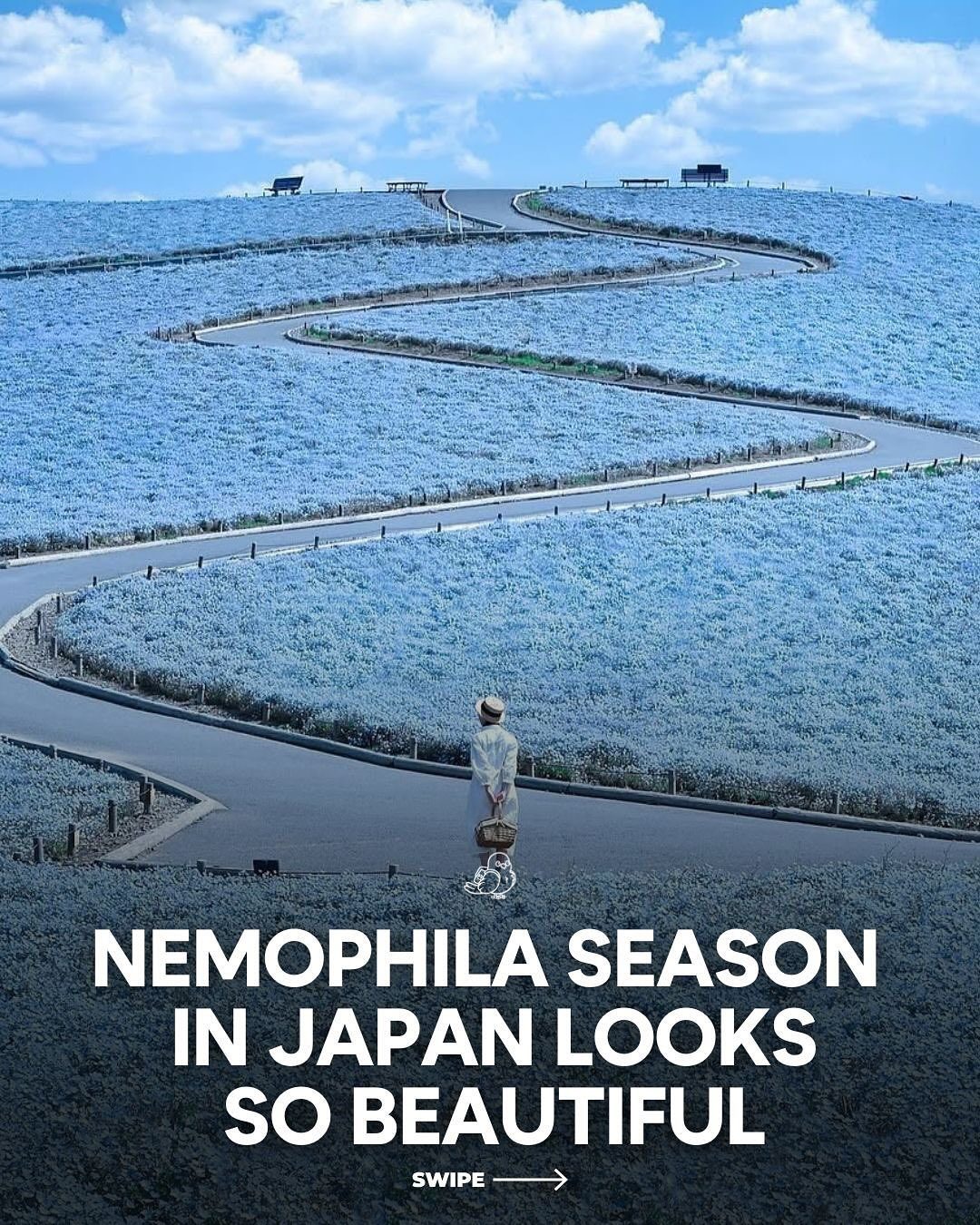
Nemophilia Season in Japan
Nemophilia season in Japan, a breathtaking natural spectacle, transforms the landscape into a vast, blue canvas. This season, characterized by the blooming of Nemophilia flowers, typically occurs from mid-April to early May, with the peak bloom happening in late April. The star of this show is the iconic “baby blue eyes” flowers, which blanket the hills and fields, creating a stunning visual display.
Context / Why This Matters
Japan is renowned for its cherry blossom (sakura) season, but the Nemophilia season offers a unique and equally mesmerizing experience. Nemophilia, also known as “baby blue eyes,” is a type of forget-me-not flower that thrives in Japan's temperate climate. The season is of particular interest to nature enthusiasts, photographers, and travelers seeking a different kind of blossom experience. The transformation of the landscape is so profound that it draws visitors from both within and outside the country, making it a must-visit during the spring.
Main Discussion
The Prime Location: Hitachi Seaside Park
For those eager to witness this natural phenomenon, Hitachi Seaside Park in Ibaraki Prefecture is the prime destination. This park is famous for its vast expanses of Nemophilia flowers, with over 4.5 million blossoms creating a breathtaking blue spectacle. The park’s hills are meticulously maintained, ensuring that the flowers bloom in perfect harmony, turning the landscape into a sea of blue.
Hitachi Seaside Park offers more than just the flower fields. It also includes walking trails, picnic areas, and observation decks, providing various vantage points to admire the stunning scenery. The park is particularly popular during Golden Week, a major holiday period in Japan, making it a favored day trip destination for many Tokyo residents.
The Seasonal Bloom
The Nemophilia season in Japan is a transient event, but its impact is lasting. The flowers typically begin to bloom in mid-April, reaching their peak in late April. This short but spectacular period is when the fields are at their most vibrant, creating a dreamy, sky-like landscape.
The bloom's timing coincides with the Golden Week holiday, which falls in late April to early May. This makes Hitachi Seaside Park a prime destination for both locals and tourists. During this period, the park attracts large crowds, so visitors are advised to arrive early to avoid the rush and to fully experience the tranquility of the blooms.
The Experience
Visiting during the Nemophilia season is more than just a sightseeing opportunity; it is a deeply immersive experience. The blue fields stretch as far as the eye can see, creating a surreal and almost otherworldly atmosphere. The gentle slopes and winding roads add to the enchantment, making every walk a journey through a living painting.
The train ride to Ibaraki Prefecture adds to the charm. Passing through the winding roads and the vibrant fields, the journey itself is a picturesque prelude to the main event. Some visitors prefer to take a bus or drive, as it offers more flexibility in exploring the surrounding areas.
Practical Tips
Best Time to Visit
The best time to visit Hitachi Seaside Park during the Nemophilia season is early in the morning. This not only helps avoid the crowds but also provides the best lighting for photography. The soft morning light enhances the blue hues of the flowers, making for stunning photos.
Getting There
Hitachi Seaside Park is approximately two hours from Tokyo by train, making it a convenient day trip. Visitors can take the JR Joban Line to Katsuta Station and then transfer to the Tobu Railway's Skytree Line to Hitachi Seaside Park Station. Alternatively, the park offers a shuttle service, which adds convenience and saves travel time.
What to Bring
A camera or smartphone with a good camera is a must for capturing the stunning landscapes. Comfortable walking shoes are essential, as the park involves a fair amount of walking. Don’t forget a water bottle, sunscreen, and a hat, especially if you plan to stay for extended periods. A picnic blanket and some snacks can also enhance the experience, allowing you to enjoy the surroundings while taking a break.
Important Takeaways
Plan Ahead
The Nemophilia season is a fleeting but unforgettable experience. Planning your visit ahead of time ensures that you get the most out of it. Check the bloom calendar, book your transportation, and arrive early to make the most of the day.
Be Prepared
The beauty of the Nemophilia season is best appreciated with a bit of preparation. Comfortable shoes, water, and sunscreen make a significant difference in your experience. Additionally, a camera or smartphone will help you capture the stunning views for memories that will last a lifetime.
Conclusion
The Nemophilia season in Japan offers a unique and breathtaking experience that is not to be missed. With its iconic “baby blue eyes” flowers, Hitachi Seaside Park in Ibaraki Prefecture is the perfect destination to witness this natural spectacle. Whether you are a nature enthusiast, a photography buff, or just someone looking for a peaceful escape, the Nemophilia season promises an unforgettable journey.
Watch the Reel
Questions readers ask
What are the best locations to view Nemophilia in Japan?
Nemophilia flowers can be found in various locations across Japan, with popular spots including the hills and fields of the Kanto and Kansai regions. Specifically, places like the Fuji Five Lakes area and the Yoshino area are known for their stunning displays of blue Nemophilia flowers.
When is the best time to see Nemophilia in Japan?
The Nemophilia season typically begins in mid-April and lasts until early May. The peak bloom period, when the flowers are in full display, usually occurs in late April.
What makes the Nemophilia season unique compared to other spring events in Japan?
Unlike the more widely known cherry blossom season, the Nemophilia season offers a different kind of visual experience. The vast expanse of blue flowers creates a unique and mesmerizing landscape, attracting nature lovers and photographers seeking a different kind of springtime beauty.
Can you recommend any good spots for Nemophilia backpacking destinations in Japan?
For those interested in backpacking, the Nemophilia season offers a beautiful backdrop. The Fuji Five Lakes area, in particular, is a great destination for hiking and enjoying the stunning blue landscapes. The region offers a mix of outdoor activities and scenic trails, making it an ideal spot for backpackers.
What should I do if I miss the peak Nemophilia blooming season?
While the peak blooming season offers the most vibrant displays, you can still enjoy Nemophilia flowers even if you miss the peak period. The blooms can often be seen in patches during the weeks before and after the peak, so it's worth checking local updates for the best viewing times.
Are there any special events or festivals during the Nemophilia season?
Although not as widespread as cherry blossom festivals, some local areas may host events or small gatherings to celebrate the Nemophilia season, including events in the Fuji Five Lakes area. It's a good idea to check local listings or community events calendars for any gatherings that might be happening during your visit.
What makes Nemophilia flowers so special in Japan?
Nemophilia, also known as 'baby blue eyes,' is celebrated for its striking blue color and delicate appearance. The way these flowers blanket the landscapes of Japan, transforming the hills and fields into a vast blue canvas, provides a unique visual experience that sets the Nemophilia season apart.
Related deep dives
Similar reads based on topic and creator.




Recent articles
Fresh deep dives from the latest Reels we unpacked.



Comments
Be the first to comment.