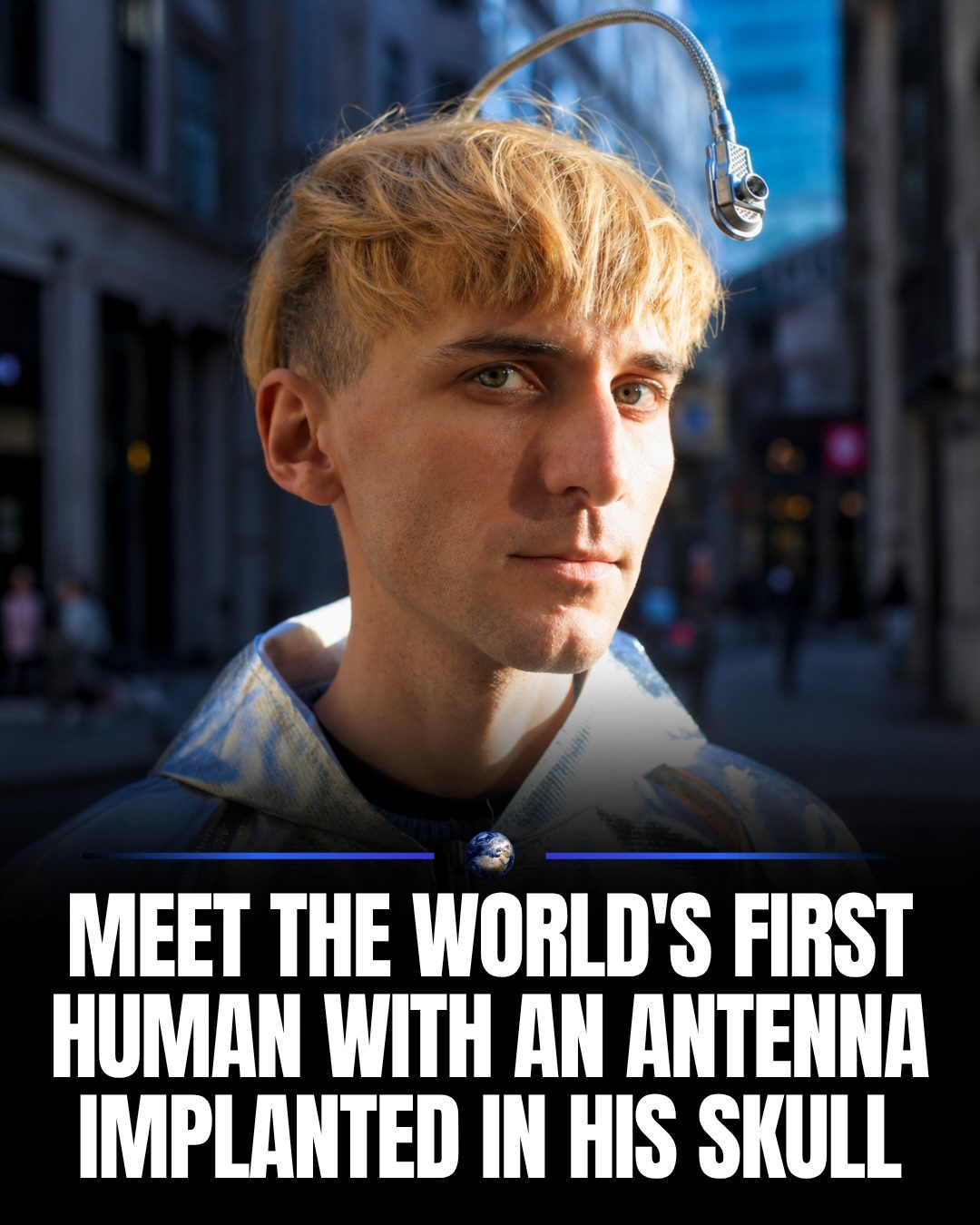
Neil Harbisson: The World’s First Officially Recognized Cyborg
Neil Harbisson, the world’s first officially recognized cyborg, has inspired global conversations about the future of human enhancement and technology. Born completely colorblind, Harbisson can only see in shades of black and white. To transcend this limitation, he has an antenna permanently implanted into his skull that converts colors into sound frequencies, enabling him to "hear" colors, including infrared and ultraviolet light.
Context: Why This Matters
Harbisson’s story intersects several fascinating fields: technology, biology, and the evolving definition of human capabilities. His antenna implant is more than a medical marvel; it's a testament to the potential of merging technology with the human body. This fusion raises profound questions about identity, perception, and the ethical boundaries of human enhancement. By exploring Harbisson’s journey, we gain insights into the possibilities and challenges of integrating technology with our biological systems.
Main Points of Interest
The Antenna Implant
The antenna implant is a crucial component of Harbisson’s unique existence. This device, surgically placed in his skull, converts light frequencies into audible sounds. This allows Harbisson to perceive colors as distinct sounds, expanding his sensory capabilities beyond human norms.
The implant is groundbreaking because it transcends the traditional boundaries of human perception. By converting invisible wavelengths—such as infrared and ultraviolet light—into sounds, it grants Harbisson access to a spectrum of light that most humans cannot detect. This expanded perception challenges our understanding of what it means to see and hear, pushing the limits of human senses.
The Impact on Identity and Perception
Harbisson’s experience has far-reaching implications for identity and perception. By merging technology with his biological system, he has effectively become a cyborg, a being with both biological and artificial components. This transformation raises profound questions about what it means to be human.
The antenna implant has altered Harbisson’s perception of the world, allowing him to identify colors in a unique, auditory manner. This sensory expansion has not only enhanced his daily experiences but also redefined his sense of self. Harbisson’s identity as a cyborg reflects the evolving nature of human existence in a technologically advanced world. His story invites us to consider how technology can redefine our understanding of self, capability, and interaction with the world.
The Intersection of Biology and Technology
Harbisson’s journey embodies the intersection of biology and technology, pushing the boundaries of human capability. The antenna implant demonstrates the potential of integrating technological advancements with biological systems, creating new possibilities for human enhancement.
This fusion of biology and technology is poised to redefine various fields, from medicine to cybernetics. Harbisson’s experience showcases the potential benefits of such integration, including enhanced sensory capabilities and expanded perceptions. However, it also raises ethical considerations about the boundaries and limitations of human enhancement. As technology continues to evolve, these questions will become increasingly relevant, shaping the future of human capabilities and identities.
Practical Tips
While not everyone can or will integrate an antenna implant into their skull, there are practical ways to explore and appreciate the intersection of technology and biology. Here are some tips for those interested in this fascinating field:
Explore Augmented Reality
Augmented reality (AR) devices, such as smart glasses and AR apps, can offer a glimpse into how technology can enhance human senses. By layering digital information onto the physical world, AR devices can provide additional context and perception, similar to how Harbisson’s implant translates colors into sounds.
Engage with the Cybernetics Community
The cybernetics community is a vibrant hub of individuals exploring the integration of technology with the human body. Engaging with this community can provide valuable insights, resources, and support for those interested in the field. Participating in online forums, attending conferences, or joining local meetups can offer a wealth of knowledge and connections.
Experiment with Biohacking
Biohacking involves using technology to optimize and enhance human performance. This can range from simple lifestyle changes to more advanced technological interventions. Experimenting with biohacking techniques, such as using wearable devices to track and improve health metrics, can offer practical experience in the intersection of biology and technology.
Important Takeaways
Neil Harbisson’s story is a compelling exploration of the potential and challenges of merging technology with the human body. Key takeaways from his journey include:
-
Expanded Perception: The antenna implant demonstrates the potential for technology to enhance human senses, allowing for the perception of new, previously inaccessible dimensions (like infrared and ultraviolet light).
-
Identity and Self-Definition: Harbisson’s experience as a cyborg invites us to redefine our understanding of identity and what it means to be human in a technologically advanced world.
-
Ethical Considerations: The integration of technology with biological systems raises important ethical questions about the boundaries and limitations of human enhancement.
-
Inclusive Technology: Harbisson’s story showcases the potential for technology to improve the quality of life for individuals with disabilities, offering new ways to experience and interact with the world.
-
Future Possibilities: Harbisson’s journey serves as a glimpse into the future of human enhancement and the merging of biology with technology, inspiring ongoing conversations and innovations in the field.
Conclusion
Neil Harbisson’s story as the world’s first officially recognized cyborg is a testament to the transformative power of technology. By merging an antenna implant with his biological system, Harbisson has expanded his sensory capabilities and redefined his sense of self, opening new horizons for human perception and identity. His experience invites us to explore the potential of integrating technology with biology, pushing the boundaries of human capabilities and raising important considerations about the future of our species. As we delve deeper into this fascinating field, Harbisson’s journey serves as a beacon, illuminating the path toward a future where technology and biology converge to create new possibilities for human existence.
Watch the Reel
Questions readers ask
How does Neil Harbisson's antenna implant work?
Neil Harbisson's antenna implant translates colors into sound frequencies. This allows him to perceive colors through sound, enabling him to 'hear' the visual spectrum, including shades and hues, as well as infrared and ultraviolet light, that are invisible to the human eye.
Why is Neil Harbisson considered the world's first officially recognized cyborg?
Neil Harbisson is officially recognized as a cyborg because of his permanent antenna implant. This implant allows him to perceive the world in ways that exceed typical human capabilities, specifically by hearing colors and seeing infrared and ultraviolet light.
What inspired Neil Harbisson to get an antenna implant?
Harbisson was born completely colorblind, seeing only in shades of black and white. To overcome this limitation, he chose to enhance his perception through cyborg technology. This implant allows him to experience a wider spectrum of the world around him, thus improving his quality of life and sensory experiences.
What are the implications of Neil Harbisson's cyborg technology on human capabilities?
Neil Harbisson's cyborg technology demonstrates the potential of merging technology with the human body. By enhancing his perception, he challenges conventional ideas about human capabilities. His work opens doors to future advancements in cybernetic enhancements, which could fundamentally alter how humans interact with their environment.
How does Neil Harbisson's antenna implant help him see infrared and ultraviolet light?
The antenna implant translates infrared and ultraviolet light into sound frequencies. This allows Harbisson to perceive these wavelengths, which are invisible to the human eye. By 'hearing' these frequencies, he can detect and interpret infrared and ultraviolet light, providing him with a unique sensory experience.
What is a cyborg human?
A cyborg human is an individual who has integrated cybernetic enhancements or implants to extend or augment their natural abilities. Neil Harbisson is a prime example, as his antenna implant allows him to perceive colors and wavelengths beyond the normal human range, thereby enhancing his interaction with the world.
Can others get similar implants to hear colors?
While the specific technology used by Neil Harbisson is unique, there are ongoing developments in the field of cybernetic enhancements. However, it's important to note that implants of this nature are highly specialized and may not be readily available to the public. Interested individuals should consult with experts in the field to explore current options and potential risks.
Related deep dives
Similar reads based on topic and creator.


Recent articles
Fresh deep dives from the latest Reels we unpacked.




Comments
Be the first to comment.