Community Gardens: A Thriving Community Food Forest
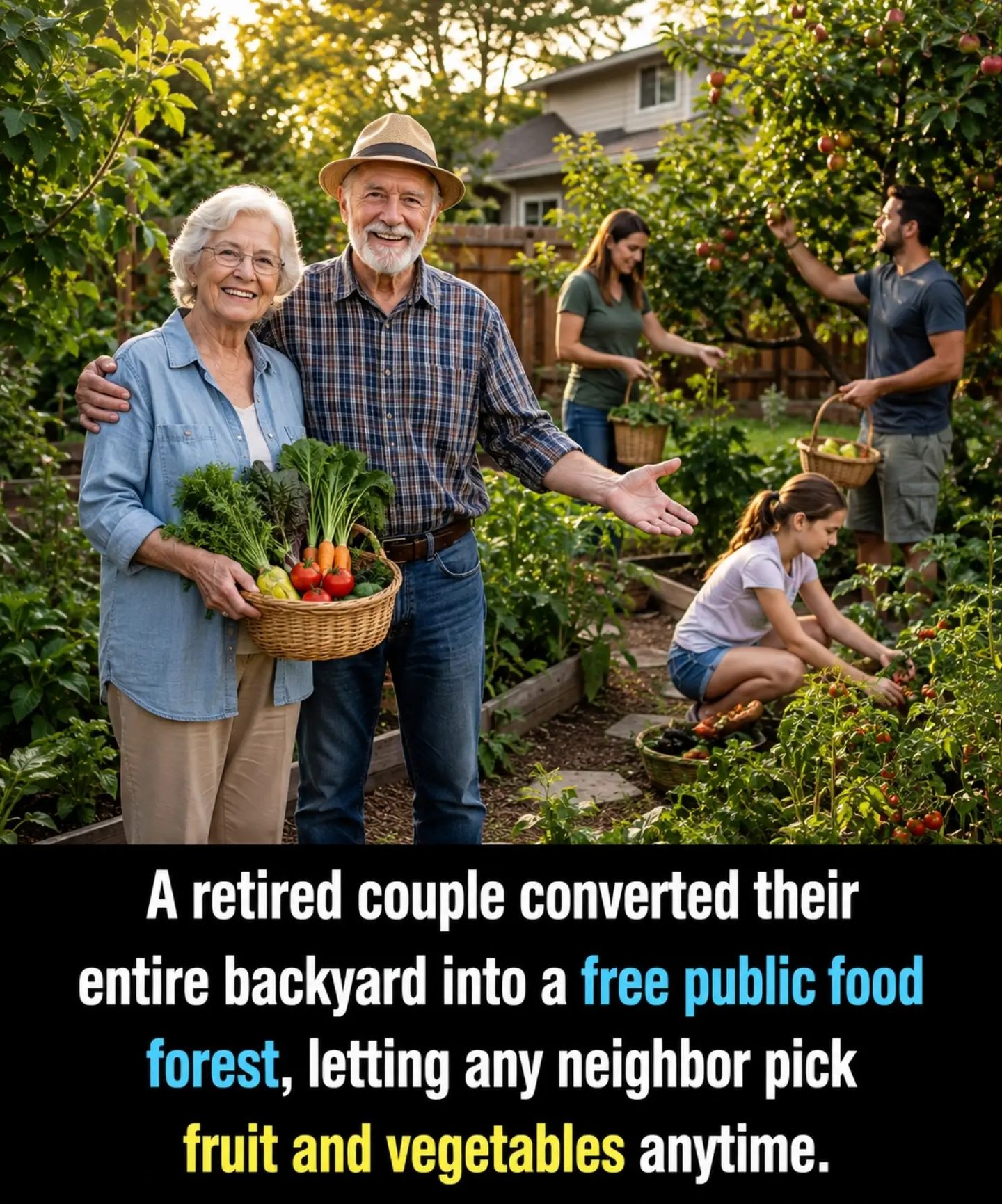
A retired couple's backyard has been transformed into a community oasis, offering neighbors the unique opportunity to pick fruits and vegetables anytime. This thriving food forest is a testament to the power of community engagement and sustainable living.
Why Community Gardens Matter
Community gardens offer numerous benefits. For the retired couple, transforming their backyard into a food forest has not only provided a sense of purpose but also fostered a deeper connection with their neighborhood. For neighbors, the garden serves as a sustainable source of fresh produce, promoting health and well-being while reducing food miles. Additionally, community gardens contribute to urban biodiversity, helping to support local ecosystems.
Main Discussion
The Concept of a Food Forest
A food forest is a sustainable garden designed to mimic the structure and function of a natural forest ecosystem. It consists of various layers of plants, from tall trees and shrubs to ground cover and root vegetables, all working together to create a self-sustaining system.
This particular food forest features an array of edible plants, carefully chosen and planted to ensure a continuous harvest throughout the year. The garden includes fruit trees, berry bushes, and a variety of vegetables, providing neighbors with a diverse selection of fresh produce.
The Impact on the Community
By allowing neighbors to pick fruit and vegetables anytime, the retired couple has created a sense of community and shared purpose. Neighbors are not just beneficiaries of the garden; they are encouraged to participate in its upkeep and evolution. This shared responsibility fosters a stronger sense of community and encourages neighbors to interact with each other, breaking down social barriers and promoting a sense of belonging.
Sustainability and Self-Sufficiency
One of the primary benefits of a food forest is its sustainability. The garden is designed to be self-sustaining, requiring minimal external inputs such as water and fertilizers. The different layers of plants work together to create a balanced ecosystem, where each plant contributes to the health and productivity of the entire system. For instance, tall trees provide shade and protect the soil from erosion, while ground cover plants retain moisture and prevent weed growth.
Additionally, the garden helps to reduce food waste by providing fresh, locally-grown produce. This not only supports the health and well-being of the community but also helps to reduce the ecological footprint associated with food production and distribution.
Public Access and Participation
The garden is open to all neighbors, encouraging public participation. This inclusivity promotes a sense of community ownership and responsibility. Neighbors are encouraged to take part in the maintenance and development of the garden, fostering a shared sense of purpose and pride.
The Role of the Retired Couple
The retired couple plays a crucial role in the success of the community garden. Their dedication and passion for gardening have inspired neighbors to get involved and take ownership of the garden. They have also provided valuable knowledge and expertise, helping to ensure the garden's success and sustainability.
Practical Tips for Starting a Community Garden
Starting a community garden can be a rewarding experience for the entire neighborhood. Here are some practical tips to help you get started:
- Choose the Right Location: Select a location that is easily accessible to all members of the community. The retired couple's backyard serves as a central gathering point, making it easily accessible to neighbors.
- Plan Your Garden: Design your garden to include a variety of edible plants, ensuring a continuous harvest throughout the year. Consider the different layers of a food forest and choose plants that work together to support a healthy and productive ecosystem.
- Encourage Community Involvement: Encourage neighbors to participate in the garden's upkeep and evolution. This shared responsibility fosters a stronger sense of community and encourages neighbors to interact with each other.
- Promote Sustainability: Design your garden to be self-sustaining, requiring minimal external inputs. This not only supports the health and well-being of the community but also helps to reduce the ecological footprint associated with food production and distribution.
Important Takeaways
Community gardens, especially food forests, offer a multitude of benefits to both the gardeners and the broader community. They promote sustainable living, foster a sense of community, and provide fresh, locally-grown produce. By creating a community garden, you can contribute to the health and well-being of your neighborhood while also supporting local ecosystems.
Conclusion
The retired couple's decision to transform their backyard into a community food forest has created a thriving oasis for their neighborhood. The garden not only provides fresh, locally-grown produce but also fosters a sense of community and shared purpose. By encouraging public participation and promoting sustainability, the retired couple has set an example for other communities to follow. If you're inspired to create a community garden, consider the practical tips outlined above and embark on a journey to transform your neighborhood into a sustainable and thriving community.
Watch the Reel
Questions readers ask
How does a backyard garden become a community garden?
A backyard garden can become a community garden when it is designed and maintained to encourage neighbors to harvest and enjoy the produce. This often involves planting a variety of fruits, vegetables, and herbs that can grow year-round, and ensuring the garden is easily accessible to those in the neighborhood.
What are the benefits of having a neighborhood garden?
Neighborhood gardens promote sustainable living by providing a local source of fresh produce, reducing the need for transportation of food. They also encourage community bonding, as neighbors come together to share resources and knowledge. Additionally, these gardens can support urban biodiversity by creating habitats for local wildlife.
What types of plants should I grow in a community garden?
In a community garden, it's best to grow a mix of trees, shrubs, and vegetables that can provide year-round produce. Consider including perennial plants and hardy vegetables that can thrive in various weather conditions. Also, consider incorporating edible landscaping to make the garden more aesthetically pleasing.
Is gardening a good hobby for elderly individuals?
Gardening can be an excellent hobby for elderly individuals, offering physical activity, mental stimulation, and a sense of purpose. It also allows them to share their knowledge and skills with neighbors, fostering community bonding. For those with mobility issues, container or raised bed gardening can be a good option.
How can I transform my backyard into a thriving garden?
To transform your backyard into a thriving garden, you can start by planning the layout based on your space and climate. Focus on planting a mix of fruits, vegetables, and herbs that can grow year-round. Regular maintenance, such as watering, weeding, and pruning, is key to keeping your garden productive. Also, consider sharing your garden with neighbors to create a community garden.
Related deep dives
Similar reads based on topic and creator.
Recent articles
Fresh deep dives from the latest Reels we unpacked.




Comments
Be the first to comment.