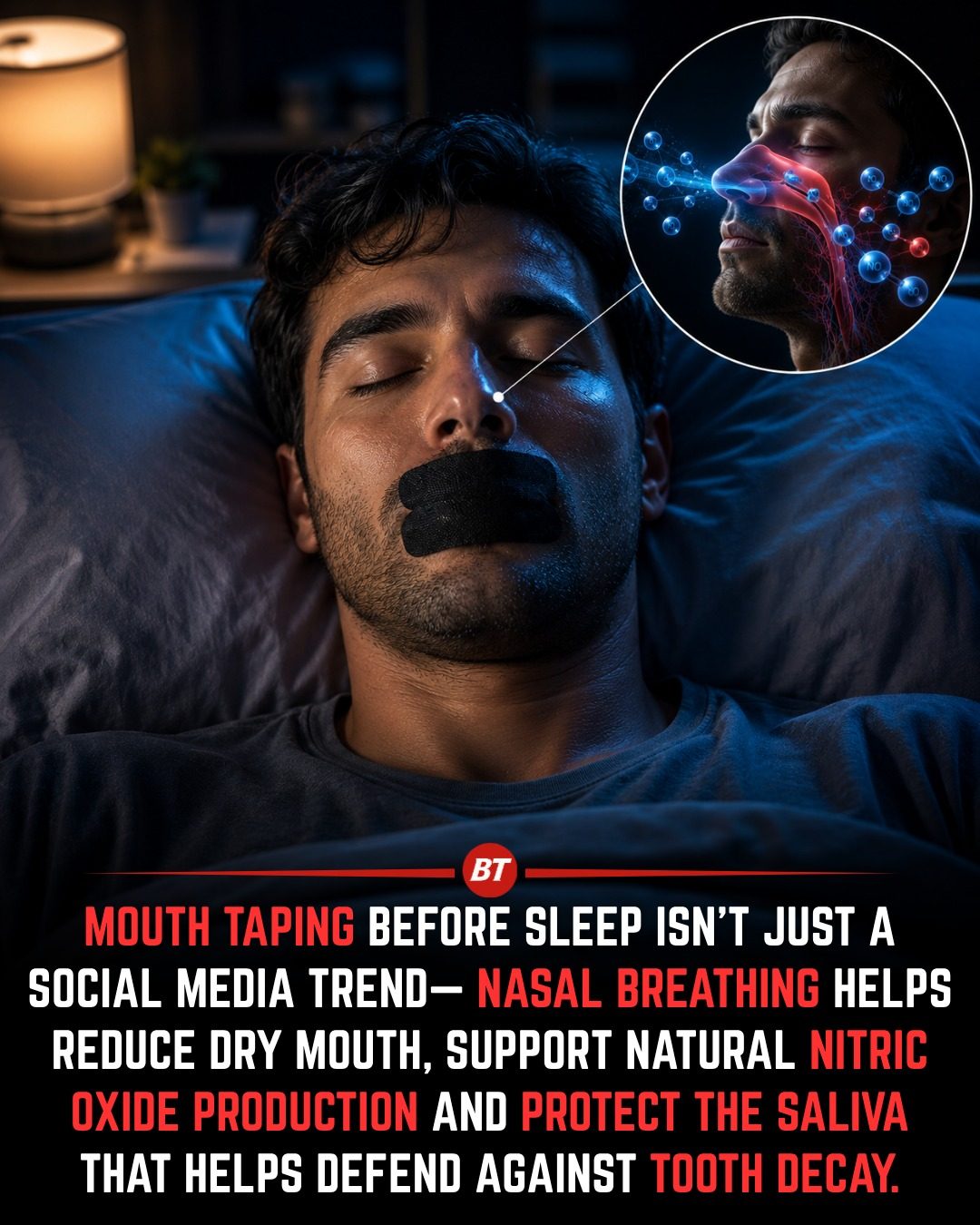
Nasal Breathing Devices and Mouth Taping: The Science Behind the Trend
Mouth taping during sleep has gained traction as a trend, but the underlying purpose is far more significant. It's not about the tape itself, but rather the encouragement of nasal breathing, which offers numerous benefits for oral and overall health. Here’s a comprehensive look at the science and practical applications of nasal breathing and mouth taping.
Why this Matters
Mouth taping has become a popular trend, but the real goal isn't the tape itself. The tape encourages nasal breathing, which is crucial for maintaining good oral and overall health during sleep. Understanding the benefits of nasal breathing can help you make informed decisions about your sleep habits and overall wellness.
The Science of Nasal Breathing
Nasal breathing does far more than simply move air. The nasal passages play a crucial role in filtering dust and microbes, warming and humidifying incoming air, and producing nitric oxide. This naturally occurring molecule supports healthy blood flow, aids in normal oxygen exchange in the lungs, and boosts the body's immune defenses.
Nasal strips can support this process by keeping the nasal passages open and allowing for more efficient breathing. This can be especially beneficial for individuals who experience nasal congestion or have difficulty breathing through their nose.
The Impact of Mouth Breathing
Breathing through your mouth all night can have detrimental effects. It dries out the mouth, reducing the flow and protective action of saliva. Saliva is one of your body's most important natural defenses against tooth decay because it helps wash away food particles, neutralize acids produced by bacteria, and supply minerals that continually repair tooth enamel.
A dry mouth creates an environment where cavity-causing bacteria can thrive. Studies published in the Journal of Clinical Sleep Medicine and the Journal of Oral Rehabilitation have linked chronic mouth breathing with increased dry mouth, poorer oral health, and a higher risk of dental cavities and gum disease.
Benefits of Nasal Breathing
Reduced Dry Mouth
Nasal breathing helps reduce dry mouth by keeping the oral cavity hydrated. This is crucial for maintaining good oral health and preventing conditions like tooth decay and gum disease.
Natural Nitric Oxide Production
Nasal breathing supports the natural production of nitric oxide, a molecule that plays a vital role in healthy blood flow, normal oxygen exchange in the lungs, and boosting the body's immune defenses. This makes nasal breathing a key component of overall health.
Protection Against Tooth Decay
By keeping the saliva flowing, nasal breathing helps defend against tooth decay. Saliva acts as a natural defense mechanism, washing away food particles, neutralizing acids, and supplying minerals that repair tooth enamel.
Practical Tips
How to Use Nasal Strips
Nasal strips are a simple and effective way to encourage nasal breathing. Here are some practical tips for using them:
- Choose the Right Size: Ensure the strip fits comfortably over your nose. Adjust the strip so that it covers the bridge of your nose and extends to the sides.
- Apply Before Bed: Place the strip on your nose just before going to bed. This will help keep your nasal passages open throughout the night.
- Combine with Other Techniques: Use nasal strips in combination with other techniques like mouth taping to maximize the benefits.
- Cleanliness: Wash your hands before applying the strip to avoid introducing bacteria to your face.
Alternative Methods
If nasal strips aren't for you, consider other methods to encourage nasal breathing:
- Mouth Taping: While controversial, mouth taping can be effective for encouraging nasal breathing. Use a gentle, breathable tape and apply it lightly over the mouth.
- Elevate Your Head: Sleeping with your head slightly elevated can help reduce congestion and promote nasal breathing.
- Use a Humidifier: Adding moisture to the air can help keep your nasal passages hydrated and open.
Important Takeaways
While mouth taping and nasal breathing devices can be beneficial, they are not suitable for everyone, especially those with untreated sleep apnea, chronic nasal obstruction, or other breathing disorders. Always consult a healthcare professional before trying any method that alters your breathing during sleep.
If you regularly wake up with a dry mouth or notice you're breathing through your mouth at night, it's worth exploring the underlying cause. Consider whether you have allergies, sinus issues, or other conditions that might be affecting your ability to breathe through your nose.
Conclusion
The trend of mouth taping and the use of nasal strips are grounded in the science of nasal breathing, which offers numerous benefits for oral and overall health. By encouraging nasal breathing, you can support healthy blood flow, boost your immune defenses, and protect against tooth decay. Whether you choose to use nasal strips or explore other methods, prioritizing nasal breathing can significantly improve your quality of life.
Watch the Reel
Questions readers ask
Why does mouth taping encourage nasal breathing?
Mouth taping encourages nasal breathing by physically blocking the mouth, which prevents mouth breathing and forces air to flow through the nose. This changes the breathing pattern, promoting the benefits of nasal breathing.
Can mouth taping help with dry mouth?
Yes, mouth taping can help with dry mouth. By promoting nasal breathing, it allows the body to humidify and warm the air before it enters the lungs, reducing the dryness that often occurs with mouth breathing.
What are the risks of mouth breathing during sleep?
Mouth breathing during sleep can lead to several issues, including increased risk of tooth decay due to dry mouth, reduced oxygen exchange, and a decrease in nitric oxide production, which can affect blood pressure and immune function.
How does nasal breathing boost immunity?
Nasal breathing boosts immunity by filtering and warming inhaled air, which helps to trap particles and pathogens. The nasal passages also produce nitric oxide, which plays a crucial role in immune function and overall health.
What is the role of nitric oxide in nasal breathing?
Nitric oxide is a gas produced in the nasal passages that helps to dilate blood vessels and improve oxygen flow to the lungs. It also has antimicrobial properties, which can help to boost immunity.
Can mouth taping improve sleep quality?
Mouth taping can improve sleep quality by promoting nasal breathing, which can lead to better oxygen exchange and reduced chances of waking up due to dry mouth or other discomforts associated with mouth breathing.
What is a good before-bed breathing routine to promote nasal breathing?
To promote nasal breathing, try a routine that includes deep, slow breaths through the nose for a few minutes before bed. Practicing this can help train the body to breathe through the nose during sleep, making mouth taping more effective.
Related deep dives
Similar reads based on topic and creator.




Recent articles
Fresh deep dives from the latest Reels we unpacked.




Comments
Be the first to comment.