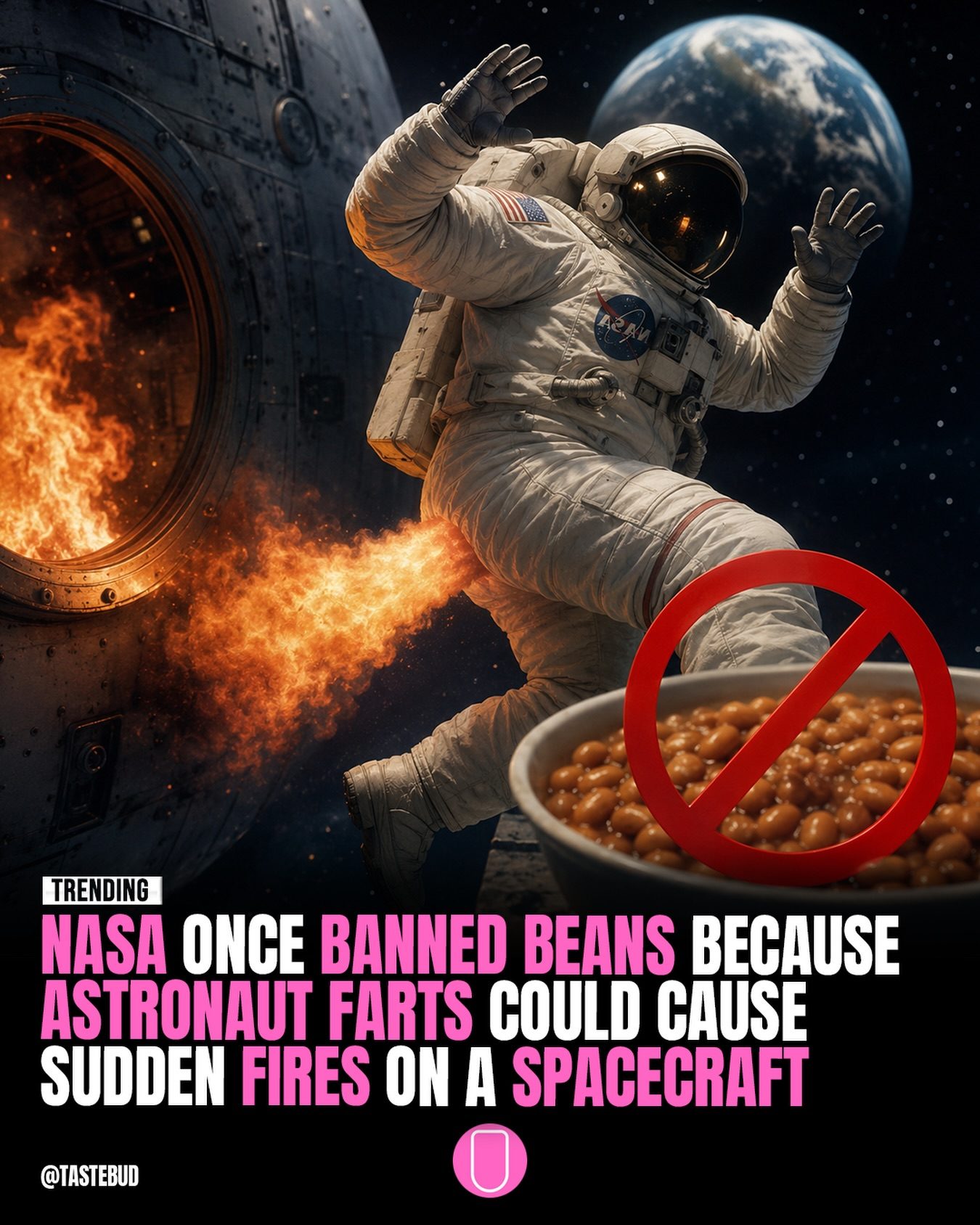
NASA's Early Dietary Restrictions for Astronauts
Giant leaps in space exploration often come with surprising challenges, including unexpected dietary restrictions. In the early days of space travel, NASA meticulously controlled astronaut diets, especially limiting foods that produce gas. This included foods like beans and cabbage. The reason? Zero gravity affects the way gases separate in the body, which can lead to discomfort and potential complications.
Why This Matters
Food is a fundamental part of life, but in space, it can become a significant engineering challenge. Understanding how the human body responds to microgravity is crucial for the health and safety of astronauts. Gas buildup in the digestive system can cause discomfort and, in extreme cases, complications that could jeopardize missions. Therefore, NASA had to carefully plan and select the food that astronauts would consume in space.
Main Discussion
The Science Behind Gas in Space
In zero gravity, the way gases move through the digestive system is different from how it happens on Earth. Gases that normally rise to the surface and are expelled can get trapped, causing discomfort and bloating. This can be particularly problematic in the confined spaces of spacecraft, where even minor inconveniences can become significant issues.
The Role of Diet in Space Missions
While it might sound amusing, the dietary restrictions imposed by NASA were grounded in scientific considerations. The early space missions required meticulous planning, and every detail, including diet, was scrutinized for potential risks. Astronauts were given pre-planned meals designed to minimize digestive issues. This approach was part of a broader strategy to maintain astronaut health and ensure mission success.
The Legend of the Bean Ban
While there is no official record of NASA banning beans outright, the idea of a bean ban has become a popular urban legend. The claim is that astronauts' flammable gases could potentially cause fires in the oxygen-rich environment of a spacecraft. This idea has been widely shared, often with a humorous twist.
In reality, the main concern was about gases causing discomfort rather than flammability. However, this doesn't make the story any less amusing or the dietary restrictions any less real.
The Evolution of Space Food
Over time, space food has evolved significantly. Early astronauts had to make do with freeze-dried or tube-packed meals that were far from appetizing. Today, astronauts enjoy a wider variety of food, and dietary restrictions have eased. The International Space Station (ISS) even has a greenhouse where astronauts can grow fresh produce.
Practical Tips
If you're planning a long-duration mission in zero gravity, here are some practical tips to keep in mind:
- Avoid Gas-Inducing Foods: While beans and cabbage are often singled out, other foods like carbonated drinks, cruciferous vegetables, and some dairy products can also cause gas.
- Stay Hydrated: Drinking plenty of water can help keep your digestive system functioning smoothly.
- Plan Meals Wisely: Pre-planning meals with the help of a nutritionist can help you avoid potential issues.
- Monitor Diet: Pay attention to how your body responds to different foods and adjust your diet accordingly. This is especially important in the unique environment of space.
Important Takeaways
- Diet Matters in Space: Even basic functions like digestion can be affected by the unique conditions in space.
- Plan Ahead: Proper planning and dietary control are crucial for the success of space missions.
- Safety First: Everything astronauts bring into space must be carefully considered for potential risks.
- Understand Gas Movement: Gases behave differently in microgravity, and astronauts need to be aware of these changes.
Conclusion
The early days of space travel brought many surprises, including the need for strict dietary controls. While the idea of a bean ban might be amusing, the underlying science is sound. Today, as we continue to explore space, our understanding of human biology in microgravity continues to evolve, leading to more comfortable and sustainable space missions. So, the next time you enjoy a bowl of beans, remember that in space, even the simplest of meals can become a complex scientific consideration.
Watch the Reel
Questions readers ask
Why did NASA ban beans and cabbage for astronauts in the early days of space travel?
NASA banned these foods to prevent gas-related discomfort and potential health complications in the confined spaces of spacecraft. In zero gravity, gases separate differently in the body, which can lead to significant issues for astronauts.
How did zero gravity affect astronauts' digestion?
In a zero-gravity environment, the way gases separate and move through the digestive system changes. This can lead to increased discomfort and potential complications for astronauts, making certain foods, like beans and cabbage, problematic.
Were there other foods restricted by NASA during early space missions?
While beans and cabbage were notably restricted, NASA also limited other foods known to cause gas. The focus was on minimizing any discomfort or health risks associated with gas buildup in the unique conditions of space travel.
What were the main concerns with gas buildup in space?
Gas buildup in the digestive system could cause discomfort and, in severe cases, complications that could affect the health and safety of astronauts and the success of the mission. The confined spaces of spacecraft made these issues particularly concerning.
How did NASA's dietary restrictions evolve over time?
As NASA gained more understanding of how the human body responds to microgravity, dietary restrictions have evolved. Today, astronauts enjoy a wider variety of foods, though certain considerations for gas and digestive health remain.
What role does food play in the overall health and safety of astronauts?
Food is essential for astronauts' health and well-being. Ensuring that their diet supports their nutritional needs while minimizing discomfort and potential health complications is crucial for the success of space missions.
Related deep dives
Similar reads based on topic and creator.



Recent articles
Fresh deep dives from the latest Reels we unpacked.




Comments
Be the first to comment.