El Niño Phenomenon
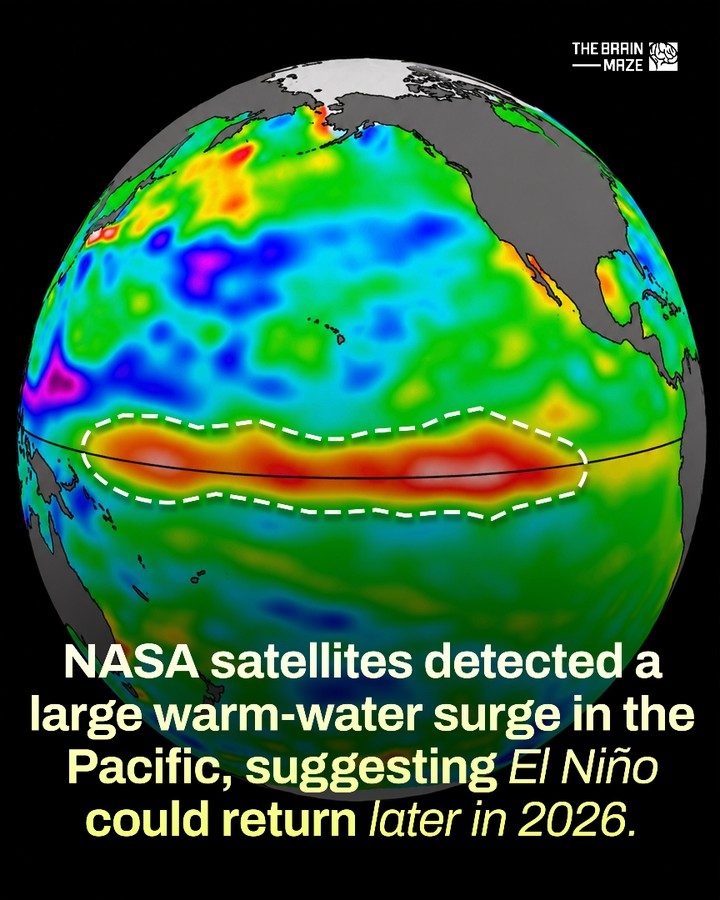
El Niño, a climate phenomenon characterized by unusually warm ocean temperatures in the Equatorial Pacific, is once again in the spotlight. Recently, NASA satellites detected a massive pulse of warm water moving across the Pacific Ocean towards South America. This surge, carried by powerful Kelvin waves, raises sea levels and ocean temperatures, signaling the potential development of an El Niño event later in the year.
Why This Matters
El Niño is not just a meteorological curiosity; it has far-reaching impacts on weather patterns, agriculture, water supplies, and economies worldwide. Understanding its dynamics and impacts is crucial for preparedness and mitigation strategies.
Main Discussion
What is El Niño?
El Niño is part of the El Niño-Southern Oscillation (ENSO) cycle, a complex climate pattern that involves changes in sea surface temperatures and atmospheric pressure in the Pacific Ocean. During an El Niño event, the eastern and central Pacific Ocean warms significantly, disrupting normal weather patterns. This warming can lead to increased rainfall in some regions and droughts in others, with significant implications for agriculture and water resources.
The Role of Kelvin Waves
Kelvin waves are large-scale oceanic waves that travel along the equator. They play a crucial role in the development of El Niño by transporting warm water from the western Pacific towards the eastern Pacific. This movement of warm water can raise sea levels and ocean temperatures, creating the conditions necessary for an El Niño event. NASA's detection of a large Kelvin wave moving across the Pacific is a strong indicator that an El Niño event may be on the horizon.
Global Impacts of El Niño
El Niño's effects are not confined to the Pacific region. The phenomenon can alter weather patterns globally, bringing a range of challenges and opportunities. Some of the key impacts include:
- Floods and Droughts: El Niño can bring heavy rainfall and flooding to some regions while causing droughts in others. For example, parts of South America, Australia, and Southeast Asia may experience increased rainfall, while regions like the western United States and parts of Africa may face drought conditions.
- Heatwaves: The warmer ocean temperatures can lead to increased heatwaves in various parts of the world, posing health risks and straining energy systems.
- Changes in Rainfall: Altered rainfall patterns can have significant impacts on agriculture, affecting crop yields and food security. Regions that rely heavily on rainfall for agriculture may experience reduced productivity, while others may benefit from increased moisture.
- Economic Implications: The disruptions caused by El Niño can have profound economic impacts, affecting industries such as agriculture, tourism, and energy. Governments and businesses need to be prepared to adapt to these challenges.
Practical Tips
For Individuals and Communities:
- Stay Informed: Keep up with weather updates and alerts from reliable sources like NASA and local meteorological agencies.
- Prepare for Extreme Weather: Stock up on essential supplies, secure your property, and have an emergency plan in place.
- Conserve Water: In regions prone to drought, implement water-saving measures to ensure a reliable supply.
For Governments and Policymakers:
- Invest in Infrastructure: Enhance infrastructure to mitigate the impacts of floods and droughts, such as improved drainage systems and water storage facilities.
- Support Agriculture: Provide resources and support to farmers to help them adapt to changing weather patterns, such as drought-resistant crops and irrigation systems.
- Promote Climate Research: Fund research to better understand and predict El Niño events, as well as to develop more effective mitigation and adaptation strategies.
Important Takeaways
- El Niño is a significant climate phenomenon with global impacts.
- NASA's detection of a large warm-water surge in the Pacific suggests the potential for an El Niño event in the near future.
- El Niño can alter weather patterns, leading to floods, droughts, heatwaves, and changes in rainfall.
- Preparedness and adaptation are crucial for minimizing the impacts of El Niño on agriculture, water supplies, and economies.
Conclusion
The potential development of an El Niño event underscores the need for vigilance and preparedness. By understanding the dynamics of this phenomenon and its global impacts, we can better mitigate its effects and adapt to the challenges it poses. Stay informed, plan ahead, and support efforts to enhance resilience in the face of El Niño's unpredictable nature.
Watch the Reel
Questions readers ask
What exactly does NASA's detection of warm water in the Pacific Ocean mean?
NASA's detection of a surge of warm water in the Pacific Ocean suggests a potential El Niño event. This is because El Niño is characterized by unusually warm ocean temperatures in the Equatorial Pacific, which can significantly influence global weather patterns, agriculture, and water supplies.
How does El Niño affect weather patterns worldwide?
El Niño can lead to increased rainfall in some regions, such as the southern United States and parts of South America, while causing droughts in other areas like Australia and Indonesia. It can also influence the frequency and intensity of hurricanes and typhoons, as well as global temperatures.
What are Kelvin waves, and how do they contribute to El Niño?
Kelvin waves are large-scale ocean waves that travel along the equator, pushing warm water from the western Pacific towards the eastern Pacific. These waves are crucial in the development of El Niño, as they help raise sea levels and ocean temperatures, signaling the onset of an El Niño event.
Why is it important to monitor El Niño events?
Monitoring El Niño events is vital for understanding and preparing for potential impacts on various sectors. By tracking the development of El Niño, governments and communities can implement strategies to mitigate risks associated with changes in weather patterns, agriculture, and water supplies.
What are the potential consequences of an El Niño event on agriculture?
El Niño can have significant impacts on agriculture by altering rainfall patterns and temperatures. For instance, regions experiencing increased rainfall may face crop damage and soil erosion, while drought-prone areas may suffer from reduced crop yields and water scarcity. This can lead to food insecurity and economic losses.
How does El Niño influence global economies?
El Niño can impact global economies through disruptions in agriculture, increased costs related to disaster response, and changes in demand for certain commodities. For example, reduced crop yields can lead to higher food prices, while increased rainfall or storms can cause infrastructure damage and economic losses in affected regions.
What actions can be taken to prepare for an El Niño event?
To prepare for an El Niño event, governments and communities can implement early warning systems, emergency response plans, and infrastructure improvements. Additionally, farmers can adopt climate-smart agricultural practices, and water management strategies can be enhanced to mitigate the impacts of changing weather patterns.
Related deep dives
Similar reads based on topic and creator.




Recent articles
Fresh deep dives from the latest Reels we unpacked.




Comments
Be the first to comment.