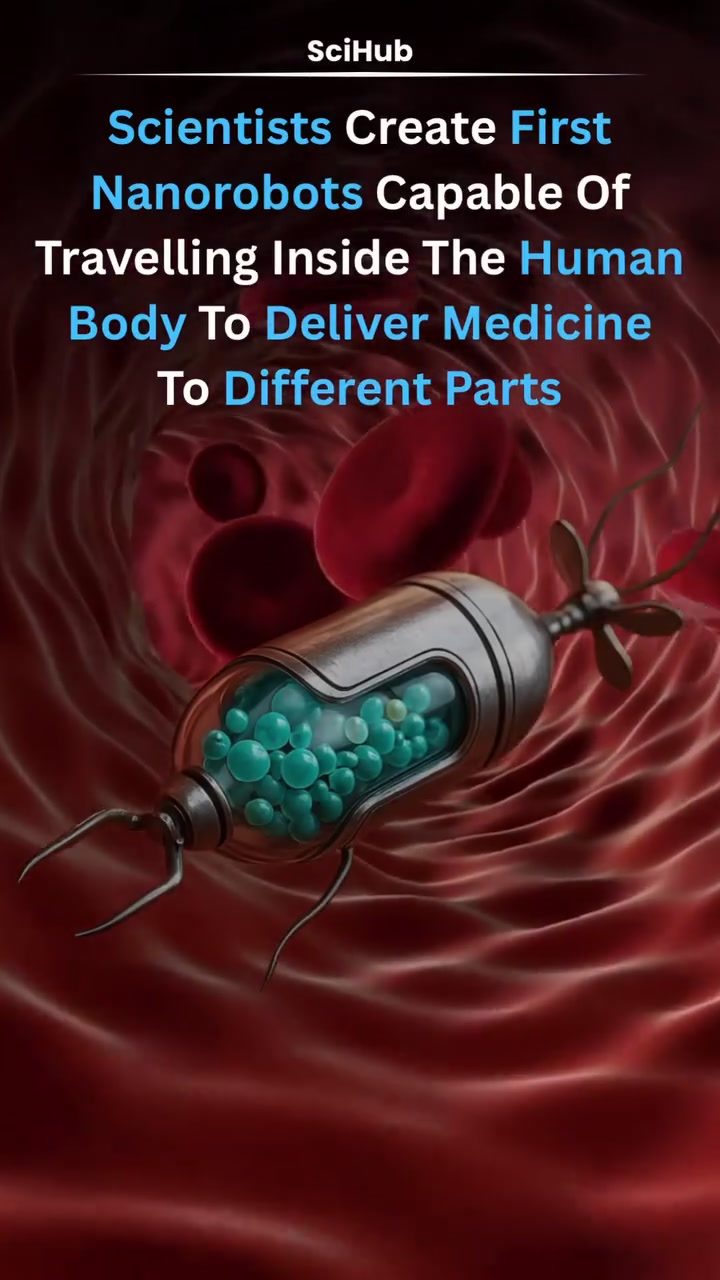
Nanorobots for Medicine Delivery
Nanorobots are revolutionizing the field of medicine by offering a new method of delivering drugs directly to targeted areas within the human body. These microscopic machines, developed by scientists, are small enough to navigate through blood vessels and tissues, carrying medicine to diseased cells with unprecedented precision.
Why This Matters
The development of nanorobots represents a significant breakthrough in healthcare. Traditional methods of drug delivery often result in medications affecting both healthy and diseased cells, leading to various side effects. Nanorobots promise a more targeted approach, delivering medicine exactly where it is needed. This precision can enhance the effectiveness of treatments and reduce the impact on healthy cells, improving overall patient recovery and quality of life.
Main Discussion
The Science Behind Nanorobots
Nanorobots are designed from biocompatible materials, ensuring they are safe for use within the human body. These tiny machines can be controlled using magnetic fields or chemical signals, allowing them to navigate precisely to specific sites. For instance, they can be directed to tumors, blocked arteries, or infected tissues, delivering medication directly to these areas.
Applications in Cancer Treatment
One of the most promising applications of nanorobots is in cancer treatment. Traditional chemotherapy often damages both healthy and cancerous cells, leading to severe side effects. Nanorobots, however, can be programmed to target cancer cells specifically, reducing collateral damage and improving the efficacy of treatments. This targeted approach has the potential to replace traditional chemotherapy, offering a more precise and less invasive option for cancer patients.
Enhancing Precision Medicine
Nanorobots are a key component of the broader field of precision medicine, which focuses on tailored treatments for individual patients. By delivering drugs directly to the affected areas, nanorobots can ensure that each patient receives the exact dosage needed, minimizing side effects and improving outcomes. This personalized approach is a significant step forward in healthcare, moving away from broad, invasive treatments towards more precise, patient-specific solutions.
Potential for Treating Chronic Illnesses
Beyond cancer, nanorobots have the potential to revolutionize the treatment of chronic illnesses. Conditions such as diabetes, cardiovascular diseases, and neurodegenerative disorders could benefit from this targeted drug delivery. For example, nanorobots could be used to deliver insulin directly to pancreatic cells in diabetes patients, improving glucose control and reducing the need for frequent injections.
Fighting Infections
In addition to their role in chronic diseases, nanorobots can also be used to fight infections. By delivering antibiotics directly to the site of infection, nanorobots can enhance the effectiveness of the treatment. This targeted approach can help combat antibiotic resistance, ensuring that infections are treated more effectively and efficiently.
Practical Tips
Understanding the Role of Nanorobots in Your Healthcare
As nanorobots become more integrated into medical practices, it's important to understand their role in your healthcare. While they offer many benefits, it's essential to stay informed about their capabilities and limitations. Consult with healthcare providers to learn more about how nanorobots might be used in your treatment plan.
Preparing for Future Treatments
With the advancement of nanorobot technology, it's likely that these microscopic machines will play an increasingly significant role in future medical treatments. Staying informed about the latest developments in nanotechnology and how it impacts healthcare can help you prepare for future treatments and understand the benefits they offer.
Seeking Expert Guidance
Given the complexity of nanotechnology, it's crucial to seek expert guidance when considering treatments involving nanorobots. Healthcare providers can offer valuable insights and advice, ensuring that you receive the most effective and safe treatment possible.
Important Takeaways
Nanorobots are a groundbreaking development in the field of medicine, offering a new method of delivering drugs directly to targeted areas within the body. These microscopic machines can be used to treat a wide range of conditions, from cancer to chronic illnesses and infections, by delivering medicine precisely where it is needed. The potential benefits of nanorobots include enhanced treatment effectiveness, reduced side effects, and improved patient recovery. As this technology continues to advance, it will play an increasingly significant role in healthcare, moving towards more personalized and effective treatments.
Conclusion
The development of nanorobots represents a significant leap forward in healthcare. By offering a more precise and targeted method of delivering medicine, nanorobots can revolutionize the treatment of various conditions, from cancer to chronic illnesses and infections. As this technology continues to evolve, it will play a crucial role in shaping the future of medicine, leading to more effective, personalized, and less invasive treatments.
Watch the Reel
Questions readers ask
How do nanorobots navigate through the human body to deliver medicine effectively?
Nanorobots are designed at a size that allows them to travel through blood vessels and tissues. They are equipped with advanced mechanisms to recognize and target specific diseased cells, ensuring that the medicine they carry is delivered precisely to the intended site.
What advantages do nanorobots offer over traditional drug delivery methods?
Nanorobots provide a more targeted approach to drug delivery, which can significantly reduce side effects. Unlike traditional methods, nanorobots can deliver medicine directly to diseased cells, minimizing the impact on healthy cells and enhancing the overall effectiveness of the treatment.
How do nanorobots contribute to enhancing patient recovery?
By delivering medicine directly to the diseased cells, nanorobots can speed up the recovery process. This targeted approach ensures that the medicine is used more efficiently, potentially reducing the duration and severity of symptoms and complications.
What role does nanotechnology play in the development of nanorobots for medical purposes?
Nanotechnology is the foundation for creating nanorobots. It involves the manipulation of materials at a nanoscale level to build tiny, precise structures. These structures are then programmed to perform specific tasks, such as delivering drugs or repairing damaged cells.
Are there any limitations or challenges associated with using nanorobots in medicine?
While nanorobots show great promise, there are challenges to overcome. Ensuring that nanorobots can safely and effectively navigate the body, be controlled remotely, and be biodegradable after use are key areas of research. Additionally, the potential for nanorobots to interact with the immune system needs to be thoroughly understood and addressed.
Related deep dives
Similar reads based on topic and creator.



Recent articles
Fresh deep dives from the latest Reels we unpacked.




Comments
Be the first to comment.