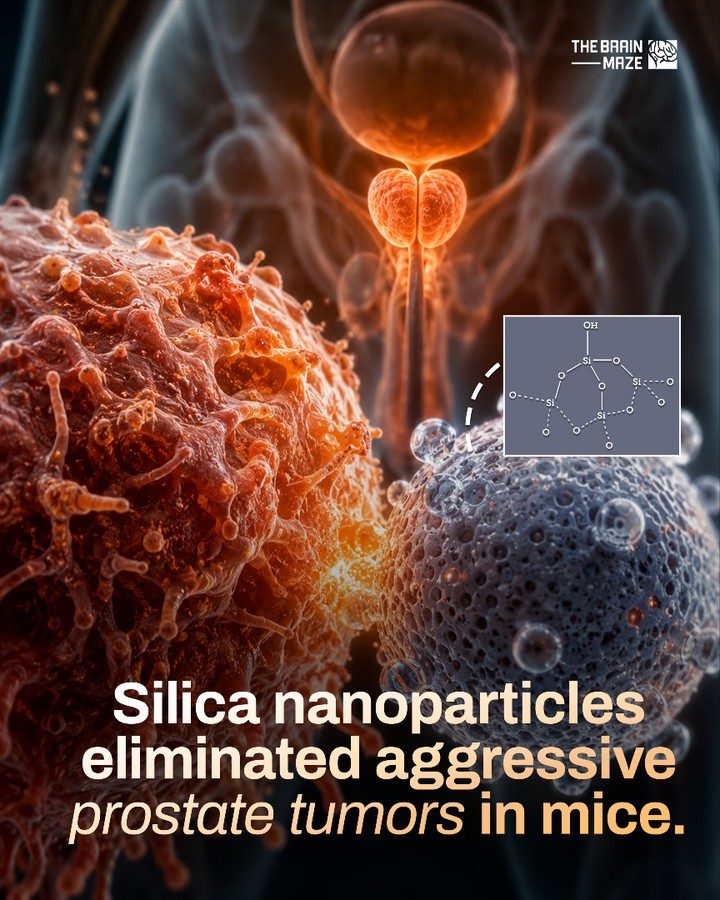
Silica Nanoparticles and Prostate Cancer
Silica nanoparticles are emerging as a powerful tool in the fight against prostate cancer. Recent research from Weill Cornell Medicine and the Cornell Duffield College of Engineering has shown that these nanoparticles can eliminate aggressive prostate tumors in mice and activate the immune system to combat cancer. When combined with immunotherapy, the treatment has demonstrated complete remissions in several animals, paving the way for potential advancements in human clinical trials.
Context / Why this matters
Prostate cancer is one of the most common types of cancer in men, and aggressive forms can be particularly challenging to treat. Traditional therapies, such as surgery, radiation, and chemotherapy, often have limited effectiveness and can cause significant side effects. The development of new, targeted treatments is crucial for improving patient outcomes and quality of life.
Main discussion
Mechanism of Silica Nanoparticles
Silica nanoparticles are tiny particles made of silicon dioxide, a compound commonly found in sand and quartz. Their small size, typically ranging from 1 to 100 nanometers, allows them to interact with biological systems in unique ways. In the context of cancer treatment, silica nanoparticles can be engineered to target specific cells, carry therapeutic agents, and stimulate the immune system.
Targeting Cancer Cells
One of the key advantages of silica nanoparticles is their ability to target cancer cells with high precision. This is achieved through surface modifications that allow the nanoparticles to bind specifically to receptors or markers present on cancer cells. Once bound, the nanoparticles can deliver therapeutic payloads directly to the tumor site, minimizing damage to healthy tissues.
Activating the Immune System
In addition to delivering drugs, silica nanoparticles can activate the immune system to fight cancer. This is particularly important in prostate cancer, where the immune system often fails to recognize and eliminate cancer cells effectively. By stimulating immune cells, silica nanoparticles can enhance the body's natural defenses against cancer, leading to more effective and durable responses.
Combining with Immunotherapy
Immunotherapy has revolutionized cancer treatment by harnessing the power of the immune system to fight tumors. However, its effectiveness can vary widely among patients. Combining immunotherapy with silica nanoparticles offers a promising approach to enhance therapeutic outcomes.
Synergistic Effects
When used together, silica nanoparticles and immunotherapy can produce synergistic effects. The nanoparticles can help to overcome the immune system's resistance to cancer cells, making immunotherapy more effective. This combination has shown promising results in preclinical studies, with several mice achieving complete remissions.
Potential for Human Trials
The encouraging results from animal studies suggest that silica nanoparticles, when combined with immunotherapy, could be a viable treatment option for prostate cancer in humans. Further research is needed to optimize the treatment protocol, assess safety, and evaluate efficacy in clinical trials.
Practical tips
While the research on silica nanoparticles is still in its early stages, several practical tips can help individuals understand and stay informed about this emerging area of cancer treatment:
Stay Informed
Keep up-to-date with the latest research and clinical trials on silica nanoparticles and immunotherapy. Reputable sources such as medical journals, clinical trial databases, and updates from leading research institutions can provide valuable insights.
Consult with Healthcare Providers
If you or someone you know is diagnosed with prostate cancer, discuss the potential benefits and risks of emerging treatments with healthcare providers. They can offer personalized advice based on the latest scientific evidence and individual health considerations.
Participate in Clinical Trials
Considering participating in clinical trials can provide access to cutting-edge treatments that might not be widely available. Clinical trials also contribute to the advancement of medical knowledge and the development of new therapies.
Maintain a Healthy Lifestyle
While research on silica nanoparticles is promising, maintaining a healthy lifestyle remains crucial for overall well-being and cancer prevention. Regular exercise, a balanced diet, and avoiding smoking and excessive alcohol consumption can significantly reduce the risk of prostate cancer.
Important takeaways
Silica nanoparticles offer a novel and promising approach to treating aggressive prostate cancer. Their ability to target cancer cells and activate the immune system, combined with immunotherapy, has shown remarkable results in preclinical studies. The potential for human clinical trials is significant, and continued research is essential to bring this innovative therapy to patients.
Conclusion
The field of cancer research is continually evolving, and silica nanoparticles represent a exciting frontier in the battle against prostate cancer. As we uncover more about their mechanisms and therapeutic potential, we move closer to developing effective and targeted treatments for this challenging disease. Staying informed, consulting with healthcare providers, and considering participation in clinical trials are all important steps in supporting this promising area of research.
Watch the Reel
Questions readers ask
What are silica nanoparticles and how do they target prostate cancer?
Silica nanoparticles are tiny particles made of silica, a type of glass. They are designed to target prostate cancer by delivering therapeutic agents directly to cancer cells. This targeted approach helps in eliminating aggressive tumors and enhancing immune response.
What are the benefits of using silica nanoparticles in prostate cancer treatment?
The primary benefits include precise targeting of cancer cells, reduced exposure of healthy cells to toxic treatments, and the potential to boost the immune system's ability to fight cancer. This approach has shown complete remissions in mice when combined with immunotherapy.
How do silica nanoparticles work with immunotherapy in prostate cancer treatment?
Silica nanoparticles can stimulate the immune system by delivering immune-boosting agents directly to cancer cells, making immunotherapy more effective. This combination has led to complete remissions in several mouse trials, suggesting a promising pathway for human treatment.
Are there any recent studies on silica nanoparticles and prostate cancer?
Yes, recent research from Weill Cornell Medicine and the Cornell Duffield College of Engineering has demonstrated the ability of silica nanoparticles to eliminate aggressive prostate tumors in mice and activate the immune system. This research is paving the way for potential advancements in human clinical trials.
What makes silica nanoparticles a promising tool in the fight against prostate cancer?
Silica nanoparticles offer a targeted approach to cancer treatment, reducing the impact on healthy cells while directly attacking cancer cells. Their ability to activate the immune system and their successful results in combination with immunotherapy make them a promising tool in the fight against prostate cancer.
What are the next steps for silica nanoparticle treatment in prostate cancer?
The next steps involve advancing the research into human clinical trials. This will help determine the efficacy and safety of silica nanoparticles in treating prostate cancer in humans, building on the promising results seen in mice.
How do silica nanoparticles help in combating aggressive forms of prostate cancer?
Silica nanoparticles can specifically target aggressive prostate tumors, delivering therapeutic agents to these difficult-to-treat cancer cells. This targeted delivery, combined with the immune-boosting potential, offers a new strategy for combating aggressive forms of prostate cancer.
Related deep dives
Similar reads based on topic and creator.


Recent articles
Fresh deep dives from the latest Reels we unpacked.




Comments
Be the first to comment.