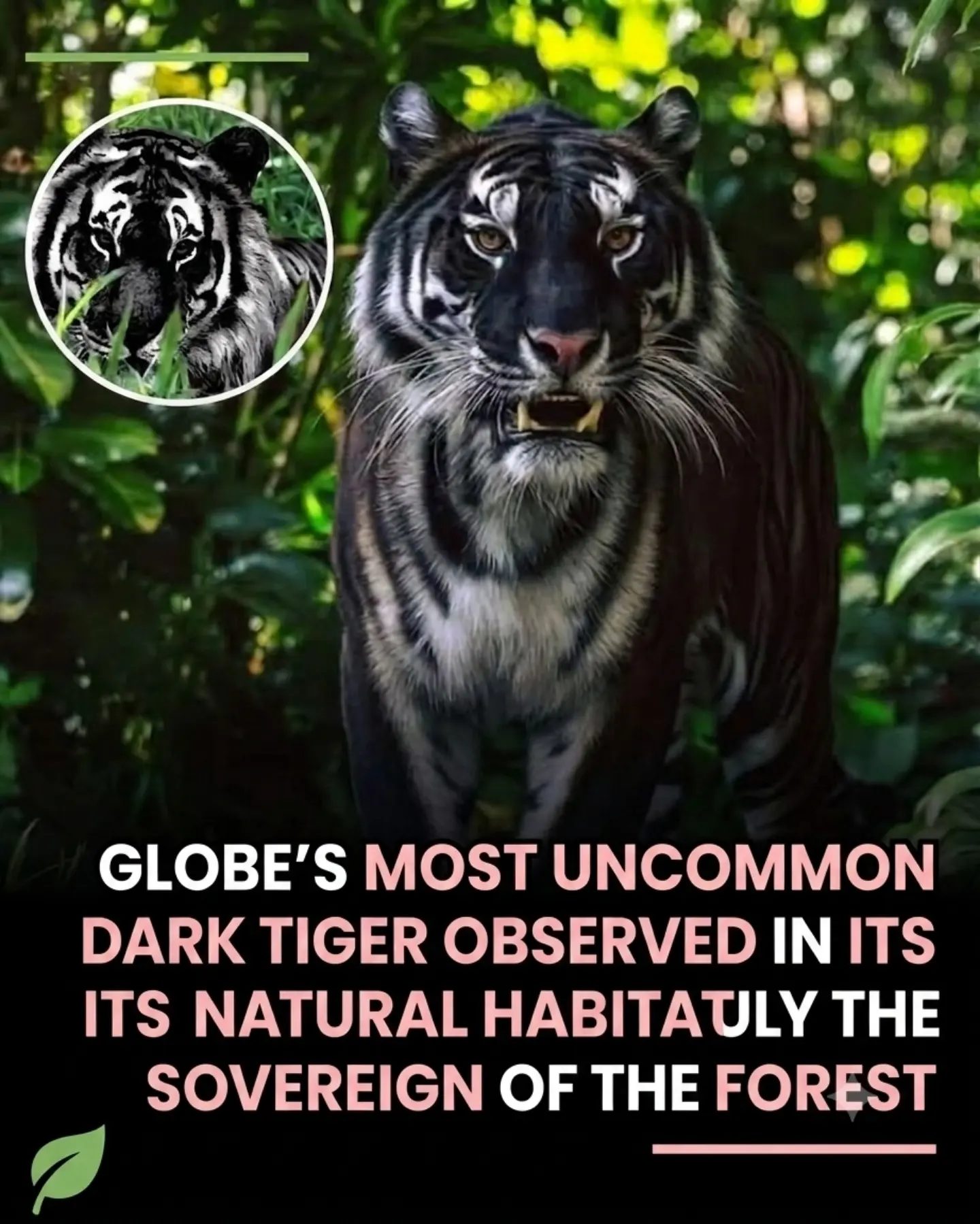
Black Tigers: The Rare and Majestic Sovereigns of the Forest
Black tigers, also known as pseudo-melanistic tigers, are one of the rarest and most fascinating big cats on the planet. These striking animals are not entirely black but exhibit a unique coat pattern that makes them appear so. Their rarity and the mystique surrounding them have captured the imagination of wildlife enthusiasts and conservationists alike.
Why This Matters
Black tigers are not just a figment of imagination or a product of Hollywood fantasy; they are real and incredibly rare. Understanding their existence, habitat, and the reasons behind their unique appearance sheds light on the incredible biodiversity of our planet. Moreover, their conservation is crucial for maintaining the ecological balance of their natural habitats.
The Uniqueness of Black Tigers
Genetic Mutation
Black tigers owe their distinctive appearance to a rare genetic mutation. This mutation causes their black stripes to be so broad and tightly packed together that they cover almost all of their orange fur. This unique trait is what gives them the name "pseudo-melanistic tigers," as it creates the illusion of a black tiger.
Habitat
These rare giants are uniquely found in the dense forests of the Similipal Tiger Reserve in Odisha, India. The reserve is a biodiversity hotspot, home to a variety of wildlife, including these elusive black tigers. The dense forests provide the perfect habitat for these big cats, offering them cover and prey.
Rarity
Black tigers are among the rarest big cats on the planet, with only a handful remaining in the wild. Their rarity is due to several factors, including habitat loss, poaching, and the natural low frequency of the genetic mutation that causes their unique appearance.
The Similipal Tiger Reserve
Location and Importance
The Similipal Tiger Reserve is located in the Mayurbhanj district of Odisha, India. It covers an area of approximately 2,750 square kilometers and is part of the Similipal-Kuldiha-Wildlife Corridor. The reserve is not only a sanctuary for black tigers but also for various other species, including elephants, leopards, and a rich variety of flora and fauna.
Conservation Efforts
Conservation efforts in the Similipal Tiger Reserve are crucial for the survival of black tigers. These efforts include anti-poaching patrols, habitat restoration, and community involvement. The reserve's management works tirelessly to protect these rare cats and their habitat, ensuring their survival for future generations.
Challenges
Despite these efforts, black tigers face numerous challenges. Habitat loss due to deforestation, poaching for their skins and body parts, and human-wildlife conflict are some of the main threats. Addressing these challenges requires a multi-faceted approach, including stricter enforcement of wildlife laws, community education, and sustainable development practices.
The Role of Genetic Mutations
Understanding the Mutation
The genetic mutation that causes the pseudo-melanistic trait in black tigers is a fascinating subject of study. This mutation affects the distribution of pigment in the tiger's fur, resulting in the broad, tightly packed black stripes that give them their unique appearance.
Implications for Conservation
Understanding the genetic basis of this mutation can provide valuable insights for conservation efforts. Genetic studies can help monitor the health and diversity of black tiger populations, ensuring that the gene pool remains robust. This knowledge can also aid in identifying and protecting individuals carrying the mutation, thereby preserving this unique trait.
Practical Tips for Encountering Black Tigers
Encountering a black tiger in the wild is a rare and thrilling experience. However, it is essential to remember that these are wild animals and should be treated with respect and caution. Here are some practical tips for anyone fortunate enough to have such an encounter:
Respect Their Space
Black tigers are apex predators and should be given ample space. Never approach a black tiger too closely, as this can provoke aggression. Use binoculars or a telephoto lens for a closer look.
Follow Guidelines
Always follow the guidelines set by the reserve authorities. These guidelines are in place to ensure the safety of both visitors and the wildlife. Stay on designated paths and avoid venturing into restricted areas.
Be Quiet and Patient
Tigers are known for their stealth and patience. Be as quiet and patient as possible when observing a black tiger. Sudden noises or movements can startle the animal and disrupt its natural behavior.
Important Takeaways
Black tigers are a testament to the incredible diversity and beauty of our natural world. Their rarity and unique appearance make them a subject of fascination and awe. However, their survival is threatened by various factors, and conservation efforts are crucial for their preservation.
Conservation is Key
Conservation efforts in the Similipal Tiger Reserve and other habitats are essential for the survival of black tigers. These efforts require a collaborative approach involving governments, conservation organizations, and local communities.
Awareness and Appreciation
Raising awareness about the existence and plight of black tigers can inspire more people to support conservation efforts. Appreciating their unique beauty and the role they play in their ecosystems can foster a greater sense of responsibility towards their protection.
Responsible Tourism
Responsible tourism can contribute to the conservation of black tigers. By following guidelines and respecting their habitat, visitors can help protect these rare animals and support local economies.
Conclusion
Black tigers, with their striking appearance and elusive nature, are a marvel of the natural world. Their rarity makes them all the more precious, and their conservation is a priority for wildlife enthusiasts and conservationists. By understanding their unique traits, habitat, and the challenges they face, we can better appreciate and protect these magnificent creatures. The Similipal Tiger Reserve stands as a beacon of hope for their survival, showcasing the importance of dedicated conservation efforts. The 'Sovereign of the Forest' deserves our respect and protection, ensuring that future generations can marvel at their majesty.
Watch the Reel
Questions readers ask
What is a pseudo-melanistic tiger?
A pseudo-melanistic tiger, commonly known as a black tiger, is a rare variant of a tiger that exhibits an unusual coat pattern. This pattern makes the tiger appear almost entirely black, with a unique stripe pattern that is not as distinct as that of a typical tiger.
Where can black tigers be found in the wild?
Black tigers, or pseudo-melanistic tigers, are known to inhabit the dense forests of the Similipal Tiger Reserve in Odisha, India. This reserve provides the perfect habitat for these elusive big cats, with its lush greenery and ample prey.
What causes the black coloration in black tigers?
The black coloration in black tigers is due to a rare genetic variation that affects the distribution of the pigment melanin. This results in an excess of melanin, creating a darker coat pattern that makes the tiger appear black. However, their stripes are still visible upon close inspection.
Are black tigers a separate species from regular tigers?
No, black tigers are not a separate species. They are a rare color variant of the Bengal tiger (Panthera tigris tigris). This unique coloration is the result of a specific genetic mutation that causes an excess of dark pigment in their fur.
What is the current population of black tigers in the wild?
The exact population of black tigers in the wild is unknown due to their rarity and elusive nature. There are likely fewer than 100 black tigers in the wild, with occasional sightings reported in the Similipal Tiger Reserve in India.
Related deep dives
Similar reads based on topic and creator.




Recent articles
Fresh deep dives from the latest Reels we unpacked.




Comments
Be the first to comment.