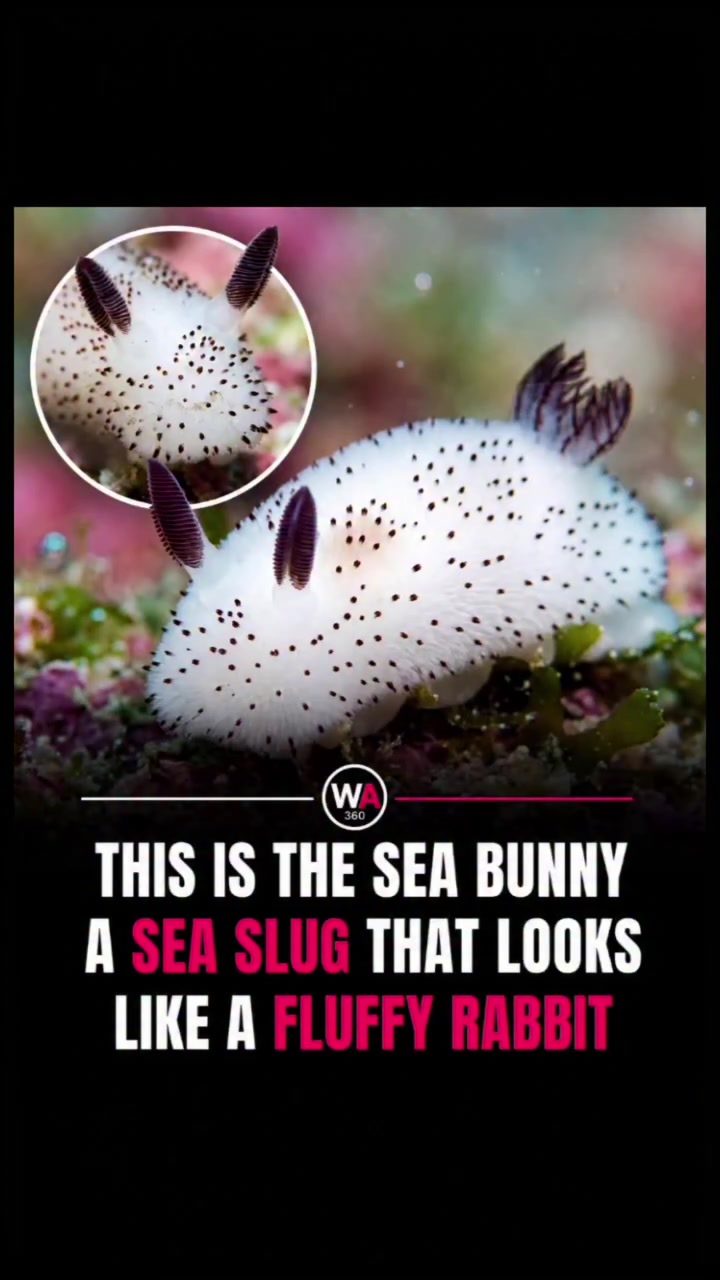
The Sea Bunny: A Fascinating Sea Slug with a Unique Appearance
The Sea Bunny, or Jorunna parva, a type of sea slug, is a tiny ocean creature from the Indo-Pacific Ocean that has captured the hearts of many. Despite its cute, fluffy appearance, it is a nudibranch or sea slug, not a rabbit. This marine marvel belongs to the Phyllidiidae family, which includes many colorful and distinctive species. The Sea Bunny’s appearance certainly makes it stand out among other marine creatures.
Why the Sea Bunny Matters
The Sea Bunny is more than just a cute face in the ocean. It is a fascinating example of marine biodiversity and an important member of its ecosystem. Understanding this creature and its habits provides insight into the intricate web of life beneath the waves.
A Deceptive Appearance
The Sea Bunny's most striking feature is its resemblance to a small, fluffy rabbit. This unique appearance is due to tiny sensory papillae covering its body, which give it a velvety texture. The "ears" that resemble a rabbit's are actually rhinophores, sensory organs that help the Sea Bunny detect chemicals in the water. This adaptation allows it to sense its environment and find food more effectively. The feather-like structure on its back serves as a gill, enabling it to breathe underwater.
Diet and Defense
Sea Bunnies primarily feed on sponges, which are abundant in their Indo-Pacific habitat. Interestingly, these sponges often contain defensive chemicals that help protect the Sea Bunny from predators. By consuming these sponges, the Sea Bunny can absorb these chemicals, making itself less palatable to potential predators. This is a classic example of how marine creatures adapt to their environments to ensure survival.
The Sea Bunny’s Unique Adaptations
Sensory Papillae
The tiny sensory papillae covering the Sea Bunny's body are not just for show. These structures provide sensory input, helping the Sea Bunny detect changes in its environment. This heightened sensitivity is crucial for a creature that lives in the dynamic and ever-changing underwater world.
Rhinophores
The Sea Bunny's rhinophores, or "rabbit ears," are essential for its survival. These sensory organs are located on the top of its head and are used to detect chemicals in the water. This ability to sense its surroundings allows the Sea Bunny to find food, avoid predators, and communicate with other Sea Bunnies.
Gill Structure
The gill on the Sea Bunny's back is a vital respiratory organ. It is responsible for extracting oxygen from the water, allowing the Sea Bunny to breathe efficiently. The gill's feather-like structure maximizes the surface area for gas exchange, ensuring the Sea Bunny gets the oxygen it needs to thrive.
Practical Tips for Spotting a Sea Bunny
Spotting a Sea Bunny in its natural habitat can be a rewarding experience for marine enthusiasts. Here are some tips to help you on your quest:
Know Where to Look
Sea Bunnies are found in the Indo-Pacific Ocean, particularly in coral reefs and rocky areas. These habitats provide plenty of hiding spots and food sources for the Sea Bunny. If you're planning a diving trip, consider visiting areas known for their rich marine biodiversity, such as the Great Barrier Reef or the waters around Indonesia.
Timing Matters
Sea Bunnies are most active during the daytime, making it the best time to spot them. They are often seen grazing on sponges, so keep an eye out for these feeding behaviors. Early morning or late afternoon dives can be particularly fruitful, as the lighting conditions are optimal for spotting these elusive creatures.
Use the Right Equipment
Having the right diving gear can make a significant difference in your ability to spot a Sea Bunny. A good quality mask and snorkel will help you see clearly underwater, while a wetsuit will keep you comfortable in colder waters. A waterproof camera can also be useful for capturing images or videos of these fascinating creatures.
Important Takeaways
The Sea Bunny is a remarkable example of marine life, showcasing the incredible diversity and adaptability found in our oceans. Its unique appearance and fascinating adaptations make it a subject of interest for marine biologists and enthusiasts alike. By understanding the Sea Bunny, we gain a deeper appreciation for the complex ecosystems that thrive beneath the waves.
Conservation and Stewardship
As with all marine life, it's essential to approach the Sea Bunny with respect and conservation in mind. Avoid disturbing their habitats, and always follow responsible diving and snorkeling practices. By doing so, we can help ensure that future generations will have the opportunity to marvel at these incredible creatures.
Future Exploration
The Sea Bunny is just one of many fascinating marine creatures that call our oceans home. Exploring the underwater world offers endless opportunities for discovery and wonder. Whether you're a seasoned diver or a curious beginner, there's always more to learn and experience in the depths of the ocean.
Conclusion
The Sea Bunny, with its distinctive appearance and unique adaptations, is a true marvel of the marine world. It serves as a reminder of the incredible diversity and complexity found in our oceans. Whether you're a marine enthusiast, a diver, or simply curious about the natural world, the Sea Bunny offers a glimpse into the wonders that lie beneath the surface.
Watch the Reel
Questions readers ask
What is the Sea Bunny and where is it found?
The Sea Bunny, scientifically known as *Jorunna parva*, is a type of sea slug found in the Indo-Pacific Ocean. Despite its cute appearance, it is known for its velvety texture and is not a rabbit. It belongs to the Phyllidiidae family, which includes many other colorful marine species.
What does the Sea Bunny eat?
The Sea Bunny has a diet consisting primarily of sponges. It preys on these marine creatures and can absorb the defensive chemicals from the sponges, which helps to protect the slug from predators and makes it a unique predator in its ecosystem.
What makes the Sea Bunny unique?
The Sea Bunny is unique due to its cute, fluffy appearance and velvet-like texture that sets it apart from other marine creatures. Additionally, its ability to absorb defensive chemicals from sponges and its significant role as a predator in its ecosystem make it a fascinating subject of study for marine life enthusiasts.
How does the Sea Bunny benefit its ecosystem?
The Sea Bunny plays a significant role in its ecosystem by helping to control sponge populations. This process promotes biodiversity and maintains the health of the marine environment as it ensures that no single species of sponge can overwhelm the ecosystem.
Is the Sea Bunny a type of nudibranch?
Yes, the Sea Bunny is indeed a type of nudibranch, which is a sea slug without a shell. It belongs to the Phyllidiidae family, which is known for colorful and distinctive species. Despite its cute appearance, it is a predator in its environment.
What is the role of the Sea Bunny in the food web?
As a predator of sponges, the Sea Bunny plays a crucial role in the marine food web. By consuming sponges, it helps regulate their populations, which in turn supports the overall health and balance of the ecosystem in which it lives.
Related deep dives
Similar reads based on topic and creator.




Recent articles
Fresh deep dives from the latest Reels we unpacked.




Comments
Be the first to comment.