Ancient Human Ancestors
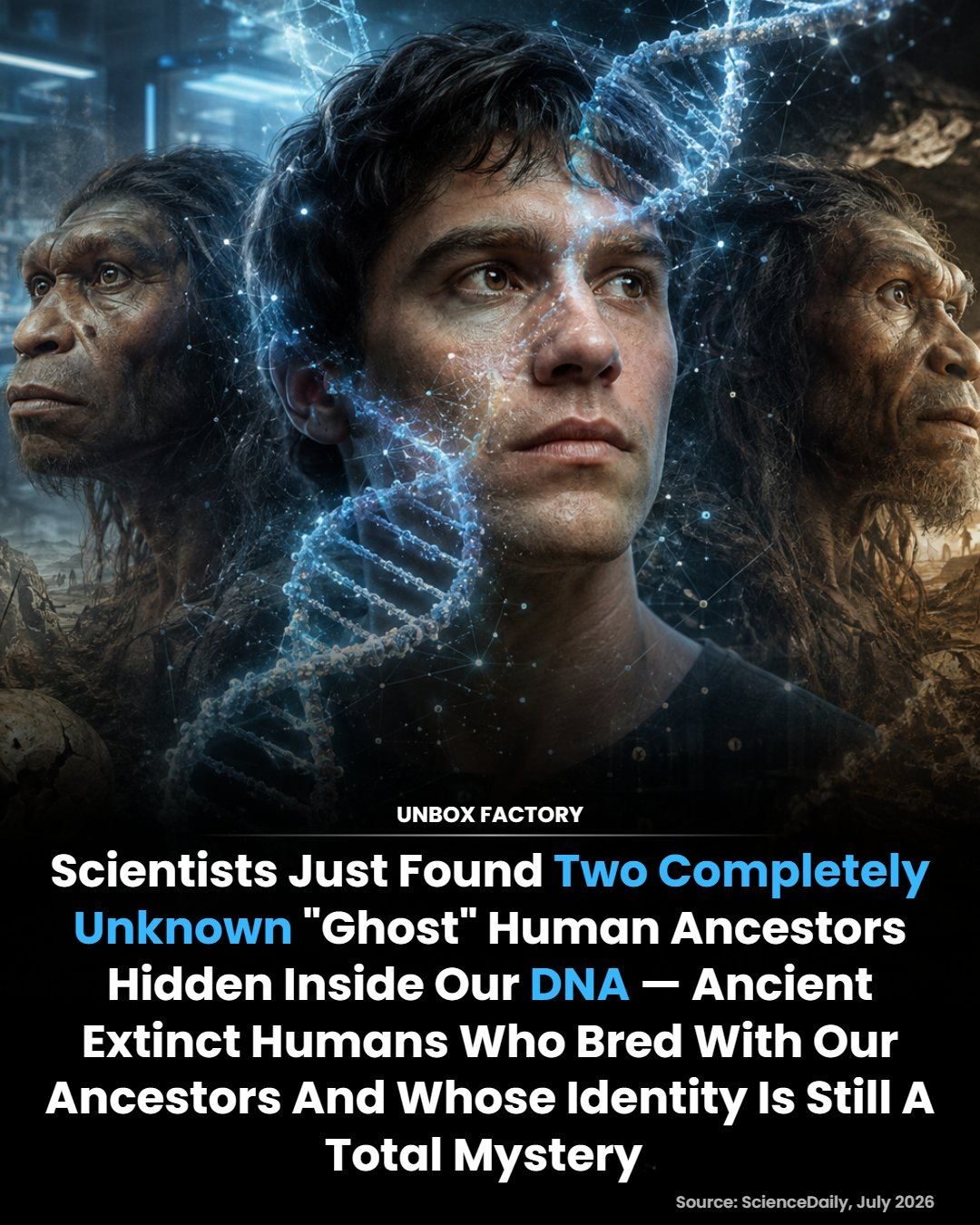
The discovery of two previously unknown extinct human populations has cast a new light on our understanding of human evolution. These mysterious groups, known as "ghost ancestors," have left their genetic mark on modern humans, despite the absence of any fossil evidence.
Context / Why This Matters
This revelation indicates that our evolutionary history is even more complex than previously understood. The presence of ghost ancestor DNA in modern humans suggests that ancient interbreeding events were more common and diverse than once thought. This new data forces a reassessment of the human family tree, opening up new avenues of research.
Main Discussion
The Discovery of Ghost Ancestors
Scientists analyzing ancient human genomes uncovered evidence of these previously unknown populations. The term "ghost ancestors" refers to the absence of fossil records; these populations are known only through their genetic legacy in modern humans. The discovery was made by identifying segments of DNA in contemporary human genomes that do not match any known ancient human species, such as Neanderthals or Denisovans.
The Genetic Legacy
Modern humans already carry DNA inherited from Neanderthals and Denisovans. Researchers estimate that 1–4% of the DNA in many modern populations comes from these extinct human relatives. The newly identified ghost lineages add additional branches to the human family tree. This genetic mixing complicates our understanding of human evolution, suggesting that interbreeding with multiple ancient human species has played a significant role in shaping the modern human genome.
Interbreeding and Evolution
The ghost ancestors are believed to have interbred with the ancestors of modern humans tens of thousands of years ago. This interbreeding event likely occurred before these ancestral populations disappeared from the historical record. The genetic evidence suggests that these ancient humans had a substantial impact on the genetic makeup of modern humans, even though their physical remains have not been found.
The Mystery of Ghost Ancestors
The identity and history of these ghost ancestors remain largely unknown. The lack of fossil evidence makes it challenging to determine exactly who these ancient humans were and how they lived. However, the genetic data provides valuable clues about their existence and interactions with other ancient human populations. Future research may uncover more about these mysterious ancestors, shedding light on the complex web of human evolution.
Implications for Human Evolution
The discovery of ghost ancestors challenges the linear view of human evolution. It suggests that our evolutionary history is marked by frequent interbreeding events with multiple ancient human species. This interbreeding has contributed to the genetic diversity seen in modern humans today. Understanding these ancient interactions can provide insights into the evolutionary forces that have shaped our species.
Practical Tips
While the discovery of ghost ancestors is a significant scientific finding, it also highlights the importance of genetic research in understanding human evolution. Here are some practical tips for anyone interested in learning more about this topic:
-
Stay Updated with Scientific Research: Follow reputable sources like ScienceDaily to keep up with the latest findings in genetics and human evolution.
-
Explore Genetic Testing: Explore genetic testing services that can provide insights into your own ancestral background. Companies like 23andMe and AncestryDNA offer genetic testing kits that can reveal your genetic makeup and ancestral roots.
-
Learn About Evolutionary Biology: Read books and articles on evolutionary biology to deepen your understanding of human evolution and the role of ancient interbreeding in shaping the modern human genome.
-
Engage with the Scientific Community: Participate in online forums and discussion groups dedicated to genetics and human evolution. Engaging with experts and enthusiasts can provide valuable insights and foster a deeper appreciation for the complexity of human ancestry.
Important Takeaways
The discovery of ghost ancestors underscores the intricate and complex nature of human evolution. These ancient populations, though extinct, have left an indelible mark on modern humans through their genetic legacy. Future research is needed to unravel the mysteries surrounding these ghost ancestors and to gain a more comprehensive understanding of our evolutionary history.
Conclusion
The identification of two previously unknown extinct human populations highlights the ongoing quest to unravel the complexities of human evolution. As scientists continue to delve into the genetic heritage of modern humans, new discoveries are shedding light on the intricate web of ancient interbreeding that has shaped our species. The genetic legacy of ghost ancestors is a testament to the enduring influence of our ancient relatives on the modern human genome. This ongoing research not only expands our understanding of the past but also offers insights into the future of human genetic research.
Watch the Reel
Questions readers ask
What are 'ghost ancestors'?
Ghost ancestors are extinct human populations that have left no known fossil record but have contributed DNA to modern human genomes. Their existence is inferred solely through genetic analysis, making them a fascinating subject in the study of human ancestry.
How do scientists know about ghost ancestors if there are no fossils?
Scientists identify ghost ancestors through advanced genetic analysis. By comparing the DNA of modern humans and other hominins, they can detect unique genetic markers that indicate interbreeding with extinct, unknown populations.
Which modern human populations carry DNA from ghost ancestors?
Ghost ancestor DNA has been found in various modern human populations, particularly in those with diverse ancestral backgrounds. This includes populations in Africa, Europe, Asia, and even among some indigenous groups in the Americas.
What does the presence of ghost ancestor DNA tell us about human evolution?
The discovery of ghost ancestor DNA suggests that human evolution is more complex and interconnected than previously thought. It indicates that interbreeding among different human populations was more frequent and widespread, reshaping our understanding of the human family tree.
Why is the study of ghost ancestors important for understanding our genetic history?
Studying ghost ancestors helps fill in the gaps of our genetic history. By identifying and analyzing the DNA contributions from these unknown populations, researchers can gain deeper insights into the migrations, interactions, and genetic exchanges that have shaped modern human diversity.
Can ghost ancestors be traced back to specific regions or time periods?
While it is challenging to pinpoint exact regions or time periods due to the lack of fossils, genetic analysis can provide clues. Some ghost ancestor DNA appears to have integrated into modern human genomes more recently, suggesting interbreeding events may have occurred as early humans migrated out of Africa or during later population movements.
Related deep dives
Similar reads based on topic and creator.



Recent articles
Fresh deep dives from the latest Reels we unpacked.




Comments
Be the first to comment.