Controversy Around a Proposed Building in South Korea
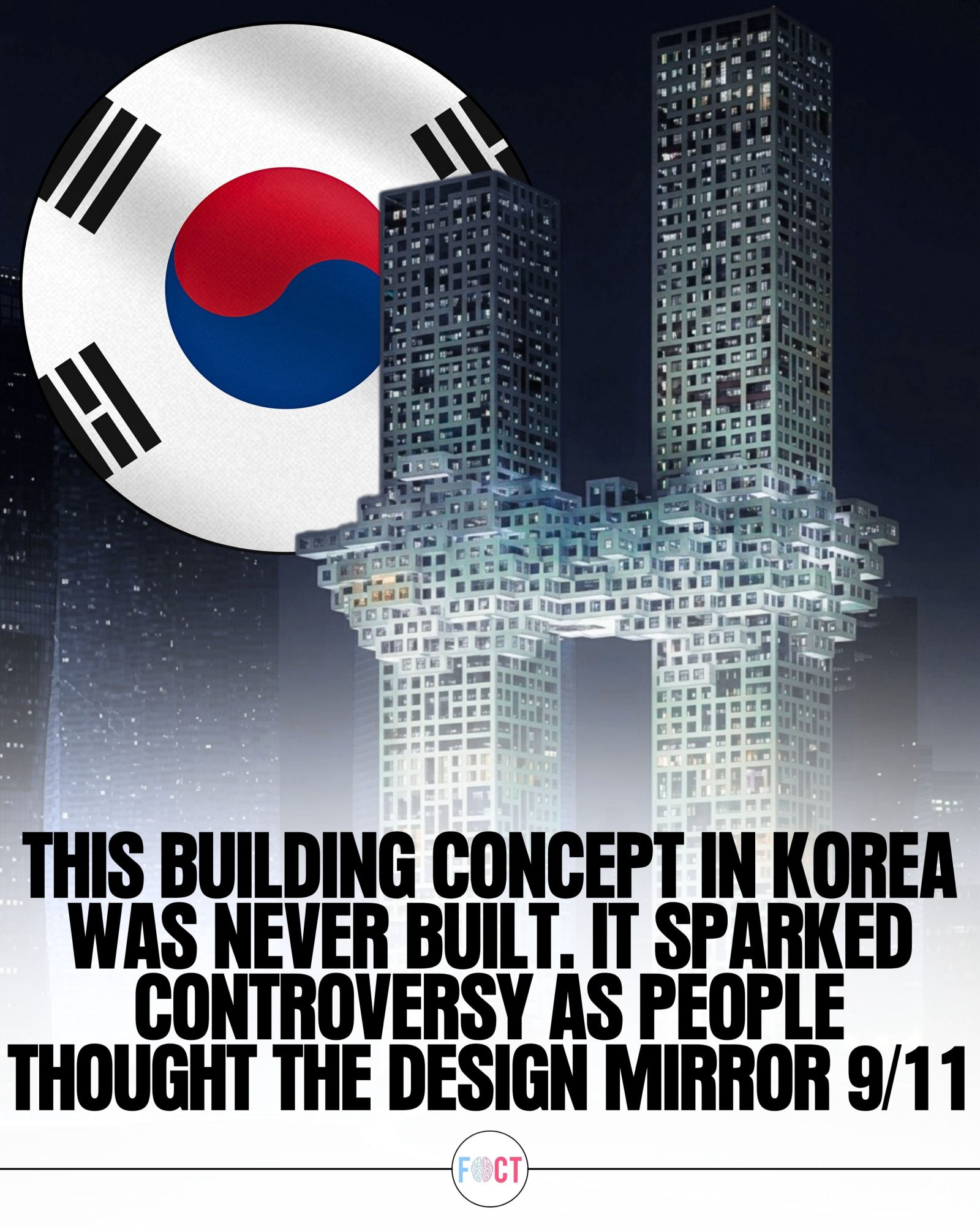
In December 2011, the Dutch architectural firm MVRDV unveiled plans for a controversial building concept in Korea. The design, featuring two skyscrapers connected by a distinctive "pixelated cloud," sparked immediate controversy due to its eerie resemblance to the World Trade Center after the 9/11 attacks. This design was intended for a site in South Korea, but the controversy that arose ensured it was never constructed.
Why This Matters
The controversy surrounding this building concept highlights the delicate balance between architectural innovation and public sensitivity. The design, which included two towers—one 260 meters and the other 300 meters in height—connected at the 27th floor by a pixelated cloud, was meant to be a futuristic and unique addition to the skyline. This concept was far from conventional, with the idea of the pixelated cloud adding an abstract and visually striking element.
Main Discussion
Design of the Proposed Building
The building design was a bold and innovative piece of architecture. Two towers, one standing at 260 meters and the other at 300 meters, were connected by a “pixelated cloud” of 10 floors at the 27th floor. This design element was intended to be a unique and forward-thinking feature, giving the building a contemporary and unmistakable silhouette.
The "pixelated cloud" was a distinctive feature that jutted out from the center of the towers. This design element was a pivotal point of contention. It was not merely an aesthetic choice; it was meant to represent a new era of architectural design, integrating technology and innovation with traditional building structures.
The Controversy Erupts
The controversy erupted immediately as soon as the plans were unveiled. Many people perceived the “cloud” section, which jutted out from the center of the towers, to be a striking and eerie resemblance to the billowing smoke and debris clouds seen during the September 11 attacks on the World Trade Center.
Public reaction was swift and sharp. The similarities between the design and the imagery of the 9/11 attacks were undeniable, and the visual impact was deeply unsettling. The public outcry was overwhelming, leading to a public outcry that was so intense that the project was quickly shelved.
Public Reaction
The proposed building design stirred a wave of intense public reaction. The comparison to the 9/11 attacks was too poignant to ignore, and the public's response was overwhelming. The design was perceived as insensitive, even offensive, given the emotional weight of the 9/11 tragedy. Social media and public forums were flooded with comments and posts expressing outrage and disapproval.
The public outcry reflected a deep-seated sensitivity to symbols and imagery associated with traumatic events. The building’s design was not just architecturally innovative; it was also emotionally charged, triggering memories and emotions tied to the 9/11 attacks.
Practical Tips
Sensitivity in Design
When designing buildings, especially those with distinctive and unconventional features, it is crucial to consider the potential impact on public perception. Architects and designers must be mindful of the emotional and symbolic weight of their designs, particularly when dealing with shapes and forms that could evoke strong associations with past events.
Public Engagement
Engaging with the public early in the design process can help mitigate potential controversies. Public consultations, focus groups, and community forums can provide valuable insights into how a design might be perceived. This engagement can help architects and designers anticipate and address any concerns before they escalate into full-blown controversies.
Important Takeaways
The controversy around the proposed building in South Korea underscores the importance of considering the emotional and symbolic implications of architectural designs. While innovation and creativity are essential in architecture, they must be balanced with sensitivity to public sentiment and historical context.
The building’s design, though innovative, failed to account for the potential emotional impact of its resemblance to the 9/11 attacks. This oversight led to a public outcry that ultimately derailed the project.
Conclusion
The controversy over the proposed building in South Korea serves as a cautionary tale for architects and designers. It highlights the need to balance innovation with sensitivity, and to consider the emotional and symbolic implications of architectural designs. By engaging with the public and anticipating potential controversies, designers can create spaces that are both innovative and respectful of public sentiment.
Watch the Reel
Questions readers ask
What was the proposed design for the skyscraper in South Korea by MVRDV?
The proposed design by the Dutch architectural firm MVRDV featured two skyscrapers, one 260 meters and the other 300 meters tall, connected at the 27th floor by a distinctive 'pixelated cloud'. This unique design was intended to serve as a landmark building in South Korea.
Why did the proposed building design in South Korea cause controversy?
The design sparked controversy due to its uncanny resemblance to the World Trade Center after the 9/11 attacks. The similarities between the two towers connected by the 'pixelated cloud' and the falling towers of 9/11 was the root of the concern.
Who was responsible for the proposed building design in South Korea?
The proposed building design was created by MVRDV, a renowned Dutch architectural firm known for innovative and unconventional designs. The firm is responsible for a number of unique structures around the world.
What was the intended location of the controversial building design in South Korea?
The design was proposed for a location in South Korea, but the specific site was never disclosed. The controversy surrounding the design prevented any further plans from moving forward.
What does the controversy highlight about architectural design?
The controversy highlights the delicate balance between innovation and public sensitivity in architectural design. The debate surrounding the design emphasizes the importance of considering public perception and historical context in building projects.
What is the 'pixelated cloud' in the MVRDV skyscraper design?
The 'pixelated cloud' is a distinctive feature of the proposed skyscraper design by MVRDV. It is a unique, cloud-like structure that connects the two towers at the 27th floor and serves as the centerpiece of the design, providing a space for people to relax and enjoy views.
Related deep dives
Similar reads based on topic and creator.
Recent articles
Fresh deep dives from the latest Reels we unpacked.




Comments
Be the first to comment.