Mushroom Consumption and Breast Cancer Risk
Mushrooms are a cornerstone of many cuisines, beloved for their unique flavors and textures. Beyond culinary appeal, mushrooms harbor a wealth of health benefits. Recent research has spotlighted a compelling connection between mushroom consumption and reduced breast cancer risk among women. Let's explore this fascinating link and delve into the bioactive compounds that make mushrooms a potent addition to a healthy diet.
Why This Matters
In a world where cancer research is continually evolving, understanding the role of diet in disease prevention is crucial. While no single food can guarantee cancer prevention, incorporating specific foods into a balanced diet may offer protective benefits. Mushrooms, with their unique bioactive compounds, have emerged as a promising area of study in this regard.
Mushrooms and Breast Cancer: The Scientific Link
Japanese Population Studies
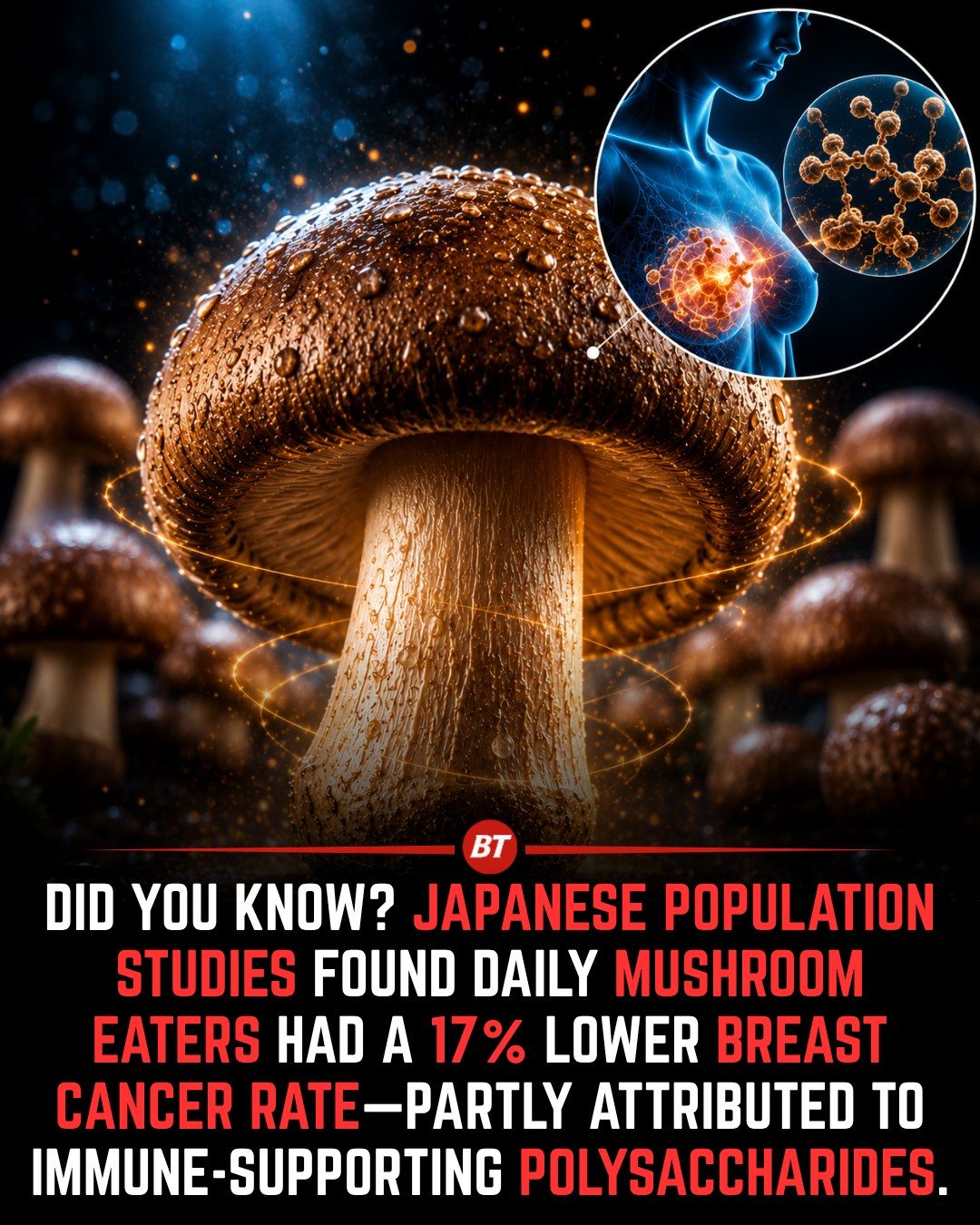
Recent studies have shed light on the potential health benefits of mushrooms, particularly in relation to breast cancer. A large Japanese population study found that women who consumed mushrooms daily had a 17% lower risk of breast cancer compared to those who rarely ate them.
The study, which followed over 36,000 women, observed that those with the highest mushroom intake experienced a notable reduction in breast cancer incidence. While this finding does not prove that mushrooms prevent cancer, it has sparked significant scientific interest in their unique bioactive compounds.
The Role of Polysaccharides
The reduced cancer risk is partly attributed to immune-supporting polysaccharides found in mushrooms. Beta-glucans, a type of polysaccharide, are naturally occurring in mushrooms and play a crucial role in supporting the immune system. These compounds help stimulate the activity of immune cells, enhancing the body's ability to defend against various diseases, including cancer.
Additionally, mushrooms contain ergothioneine, a powerful antioxidant that protects cells from oxidative stress. Oxidative stress is linked to various health issues, including cancer, and ergothioneine's ability to mitigate this stress may contribute to the health benefits observed in mushroom consumers.
Compounds Under Study
Certain varieties of mushrooms contain compounds that are being studied for their potential to influence estrogen metabolism, inflammation, and immune surveillance. Estrogen metabolism is particularly relevant to breast cancer research, as certain estrogen metabolites have been linked to an increased risk of breast cancer. Mushrooms' potential to modulate estrogen metabolism could offer a protective effect.
Inflammation and immune surveillance are also critical areas of research. Chronic inflammation is associated with an increased risk of various cancers, and a robust immune system is essential for recognizing and eliminating cancerous cells. Mushrooms' anti-inflammatory properties and ability to enhance immune function may contribute to their potential cancer-preventive effects.
Incorporating Mushrooms into Your Diet
Mushrooms are versatile and can be incorporated into various dishes, making them an easy addition to a healthy diet. Here are some practical tips for enjoying mushrooms and reaping their health benefits:
Cooking Methods
Lightly cooking mushrooms can improve the availability of some of their beneficial compounds while enhancing their rich umami flavor. Common cooking methods include:
- Sautéing: Adding mushrooms to stir-fries or sautéing them with garlic and herbs can release their flavors and make them a delicious addition to any meal.
- Roasting: Tossing mushroom slices with a bit of oil, salt, and pepper, and roasting them in the oven brings out their natural sweetness and creates a crispy texture.
- Grilled: Grilling mushrooms, especially larger varieties like portobello or shiitake, can impart a smoky flavor and tender texture.
Varieties to Try
Different mushroom varieties offer unique flavors and textures, as well as varying nutrient profiles. Some popular varieties to try include:
- Shiitake: Known for their meaty texture and rich, savory flavor, shiitake mushrooms are often used in Asian cuisine. They are also a good source of vitamin D, particularly when exposed to sunlight.
- Oyster: With a mild, slightly sweet flavor, oyster mushrooms are great in stir-fries and soups. They have a delicate texture and are easy to slice or tear.
- Cremini and Button: These are common varieties found in many grocery stores. Cremini mushrooms are a darker, more flavorful version of button mushrooms and can be used interchangeably in recipes.
- Maitake: Also known as hen of the woods, maitake mushrooms have a delicate, slightly sweet flavor and a feathery texture. They are often used in Japanese and Chinese cuisine.
Meal Ideas
Incorporating mushrooms into your meals can be as simple or as creative as you like. Here are a few meal ideas to get you started:
- Stir-Fries: Add a variety of mushrooms to your favorite stir-fry recipe for an extra boost of umami flavor and nutritional benefits.
- Soups and Stews: Mushrooms add depth of flavor to soups and stews. Try adding sliced mushrooms to your next pot of chili or vegetable soup.
- Omelets and Frittatas: Sautéed mushrooms make a delicious addition to omelets and frittatas. Combine them with other vegetables, cheeses, and herbs for a flavorful breakfast or brunch dish.
- Salads: Thinly sliced mushrooms, such as shiitake or oyster, can add a savory crunch to salads. Toss them with your favorite greens, vegetables, and dressing for a nutritious and satisfying meal.
- Pasta: Mushrooms and pasta are a classic combination. Sauté mushrooms with garlic and herbs, then toss them with your favorite pasta and sauce for a comforting and flavorful dish.
Important Takeaways
- Regular mushroom consumption may contribute to overall health and could play a role in reducing disease risk.
- Mushrooms contain beta-glucans and ergothioneine, compounds that support the immune system and protect cells from oxidative stress.
- Certain mushroom varieties contain compounds that may influence estrogen metabolism, inflammation, and immune function—all areas relevant to cancer research.
- While no single food can prevent cancer, incorporating mushrooms into a diet rich in vegetables, fruits, legumes, and whole grains can offer various health benefits.
Conclusion
Mushrooms are a powerhouse of nutrients and bioactive compounds that offer a range of health benefits. Recent research has highlighted their potential to reduce the risk of breast cancer, making them a valuable addition to a balanced diet. By incorporating a variety of mushrooms into your meals, you can enjoy their unique flavors and textures while reaping their health-promoting properties. Whether sautéed, roasted, grilled, or added to soups and salads, mushrooms offer a delicious and nutritious way to enhance your culinary repertoire and support your overall health.
Watch the Reel
Questions readers ask
How do mushrooms help in reducing breast cancer risk?
Mushrooms contain bioactive compounds, such as polysaccharides, that can enhance immune function and potentially reduce the risk of breast cancer. These compounds may help the body's immune system to more effectively identify and eliminate cancerous cells.
Which specific studies support the link between mushroom consumption and lower breast cancer risk?
Several studies, notably those conducted among Japanese women, have shown a correlation between regular mushroom consumption and a lower incidence of breast cancer. These studies often involve large populations, providing substantial data to support this connection.
What role do polysaccharides in mushrooms play in cancer prevention?
Polysaccharides found in mushrooms are known for their immune-boosting properties. These compounds can stimulate the immune system, making it more effective in detecting and responding to cancerous cells, thereby aiding in cancer prevention.
Are there specific types of mushrooms that are more beneficial for breast cancer prevention?
While various types of mushrooms offer health benefits, some, like shiitake, maitake, and reishi, are particularly rich in bioactive compounds that support immune function. Incorporating a variety of mushrooms into your diet can maximize these benefits.
How can I include more mushrooms in my diet for potential health benefits?
Mushrooms can be easily incorporated into a variety of dishes, such as soups, stir-fries, and salads. They can also be used as a meat substitute in many recipes. Aim for a diverse intake of mushrooms to gain a broader spectrum of health benefits.
Related deep dives
Similar reads based on topic and creator.




Recent articles
Fresh deep dives from the latest Reels we unpacked.




Comments
Be the first to comment.