Mural Damage
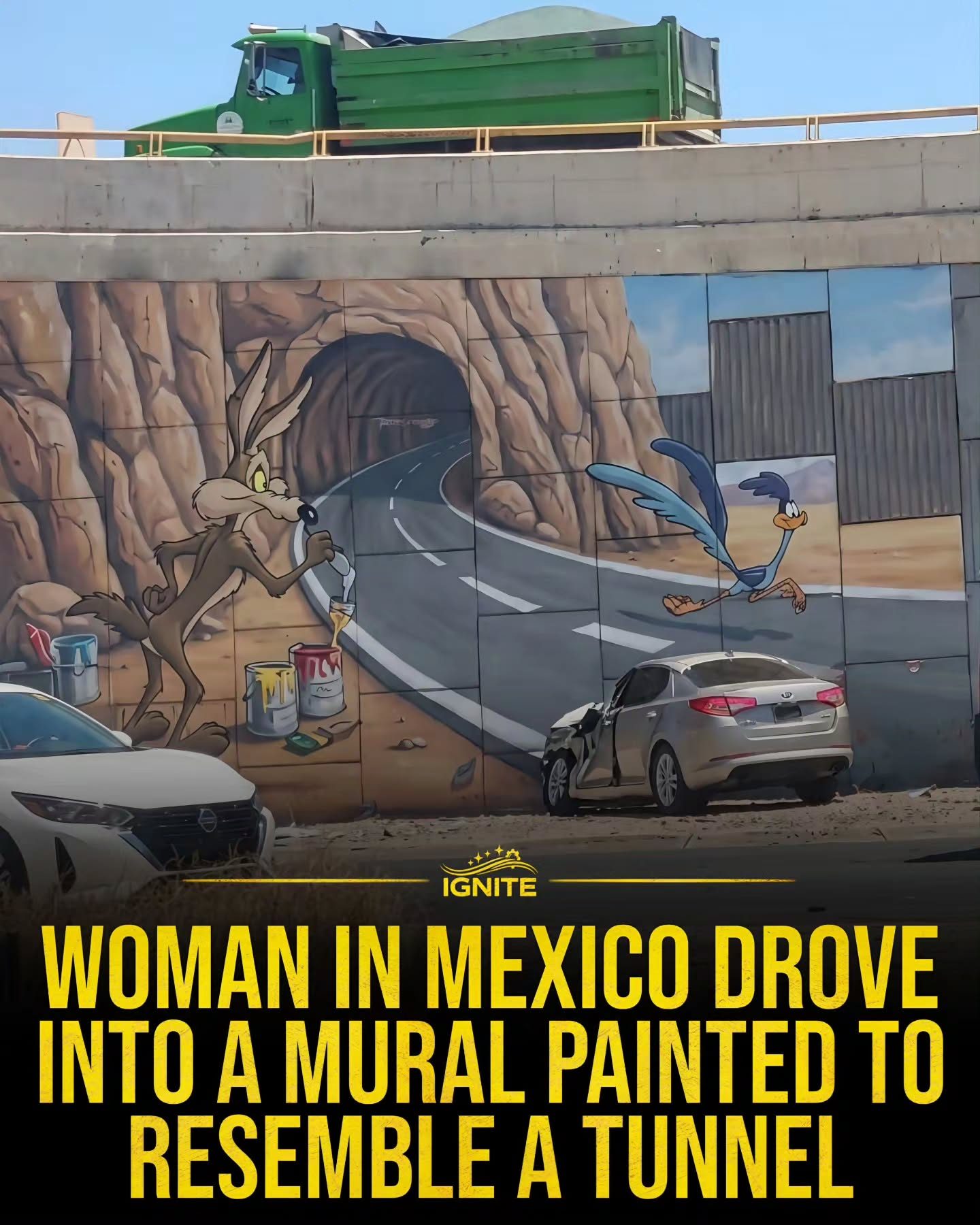
In the world of public art, murals serve as vibrant expressions of culture and community. However, these large-scale artworks are often vulnerable to unintended damage. Recently, a striking incident in Mexico highlighted the fragility of murals, causing many to reconsider the safety and preservation of these artistic landmarks. This incident involved a mural painted to resemble a tunnel, featuring a depiction of a road and the iconic cartoon character, Wile E. Coyote.
Why This Matters
Murals are more than just aesthetically pleasing features of urban landscapes; they tell stories, honor local heritage, and inspire community pride. When a mural is damaged, it's not just the artwork that suffers but also the community's sense of place and identity. Understanding the circumstances surrounding this particular incident can help raise awareness about the importance of preserving public art and the steps that can be taken to protect it from accidental damage.
The Incident
The Mural's Context
The mural in question was a large, immersive piece of art that depicted a road with Wile E. Coyote, the iconic cartoon character known for his relentless pursuit of the Road Runner. Designed to resemble a tunnel, the mural aimed to create a sense of depth and immersion, drawing viewers into a whimsical, cartoony world. The mural was a significant addition to the local landscape, likely serving as a beloved landmark for residents and visitors alike.
The Accident
The incident involved a woman driving into the mural. It's unclear whether the driver mistook the mural for a real tunnel or if the accident was the result of a momentary lapse in judgment. Regardless, the impact of the car created a visible damage zone, marring the artwork and causing significant distress to those who appreciated the mural.
Public Art and Safety
Risk Factors
Murals, especially those that mimic real-life settings, can be particularly prone to accidents. These artworks often blur the line between reality and illusion, which can sometimes lead to confusion, especially for drivers or pedestrians who are not familiar with the area. The use of optical illusions and trompe l'oeil techniques, while artistically impressive, can pose safety risks.
Prevention Measures
To mitigate these risks, several steps can be taken. Clear signage and barriers can help alert drivers and pedestrians to the presence of murals, especially those that create illusions. Regular maintenance and inspections can also ensure that murals are kept in good condition, reducing the likelihood of misunderstandings or accidents.
Community Engagement
Community involvement is crucial in preserving public art. Local residents can play a significant role in advocating for safety measures and reporting any potential hazards. Additionally, public art initiatives can engage the community in discussions about the importance of these artworks and how to protect them.
The Importance of Preserving Public Art
Cultural Significance
Murals are not just decorative elements; they are cultural artifacts that reflect the history, values, and aspirations of a community. The destruction or damage of a mural can be seen as a loss of cultural heritage, impacting the collective memory and identity of the people who live in the area.
Economic Impact
Public art, including murals, can also have a positive economic impact on a community. Murals can attract tourists, enhance property values, and foster a sense of civic pride. The loss of a significant mural can therefore have economic repercussions, affecting local businesses and the overall aesthetic appeal of the area.
Psychological Effect
Art has the power to inspire, uplift, and bring people together. The presence of a vibrant and well-maintained mural can enhance the mental well-being of a community, providing a sense of beauty and inspiration in everyday life. Conversely, the destruction of such artwork can leave a void, affecting the emotional landscape of the community.
Practical Tips for Artists and Communities
Design Considerations
Artists creating murals should consider the impact of their designs on the surrounding environment. For example, avoiding depictions that could be easily mistaken for real-world objects, such as tunnels or street signs, can help reduce the risk of accidents.
Collaboration with Authorities
Artists and community groups should collaborate with local authorities to ensure that public art aligns with safety regulations and local policies. This collaboration can help in planning and implementing safety measures, such as signage and barriers, to protect both the artwork and the public.
Public Engagement
Engaging the community in the creation and maintenance of murals can foster a sense of ownership and responsibility. Public art initiatives that involve community members in the planning, design, and upkeep of murals can create a stronger bond between the artwork and the people who live in the area, increasing the likelihood of its preservation.
Important Takeaways
The incident in Mexico serves as a reminder of the delicate balance between art and everyday life. Murals, while beautiful and meaningful, can sometimes pose unintended risks. By being mindful of these risks and taking proactive measures, communities can continue to enjoy the benefits of public art while ensuring the safety and preservation of these cultural treasures.
Conclusion
Public art, such as murals, plays a vital role in enriching urban landscapes and fostering community identity. However, the incident of a car crashing into a mural in Mexico highlights the need for increased awareness and safety measures to protect these valuable assets. By understanding the risks and taking proactive steps, communities can ensure that their public art remains a source of pride and inspiration for generations to come.
Watch the Reel
Questions readers ask
What specific mural was damaged in the recent car crash in Mexico?
The damaged mural was a tunnel mural in Mexico that depicted a road and featured the iconic cartoon character Wile E. Coyote. This particular artwork was known for its vibrant colors and unique design, making it a notable piece of street art in the community.
What are the common causes of mural damage?
Murals can be damaged by various factors, including car crashes, as seen in this recent incident. Other common causes include vandalism, weathering, and general wear and tear from environmental factors. These elements pose significant threats to the longevity and aesthetics of public art.
How does mural damage impact the community?
When a mural is damaged, it affects more than just the artwork itself. Murals often reflect community identity and heritage, and their damage can lead to a diminished sense of place and pride among local residents, showing the importance of preserving these cultural landmarks.
What measures can be taken to prevent mural damage?
To prevent mural damage, communities can implement measures such as installing protective barriers, enhancing street lighting, and increasing surveillance. Additionally, promoting public awareness about the importance of preserving street art can encourage community involvement in protecting these artworks.
What steps are typically involved in restoring a damaged mural?
Restoring a damaged mural usually involves assessing the extent of the damage, cleaning the affected area, and repainting or repairing the damaged sections. In some cases, the original artist may be involved in the restoration process to ensure the mural's authenticity and integrity are maintained.
Why are murals often targeted by vandals?
Murals are often targeted by vandals due to their visibility and accessibility in public spaces. The bold and striking nature of murals can attract unwanted attention, making them susceptible to defacement or destruction. This underscores the need for stronger protective measures and community vigilance.
How does the recent damage to the Wile E. Coyote mural in Mexico highlight the challenges of preserving public art?
The recent damage to the Wile E. Coyote mural in Mexico underscores the challenges of preserving public art in urban environments. It highlights the need for increased safety measures, community involvement, and awareness about the importance of protecting these cultural assets.
Recent articles
Fresh deep dives from the latest Reels we unpacked.




Comments
Be the first to comment.