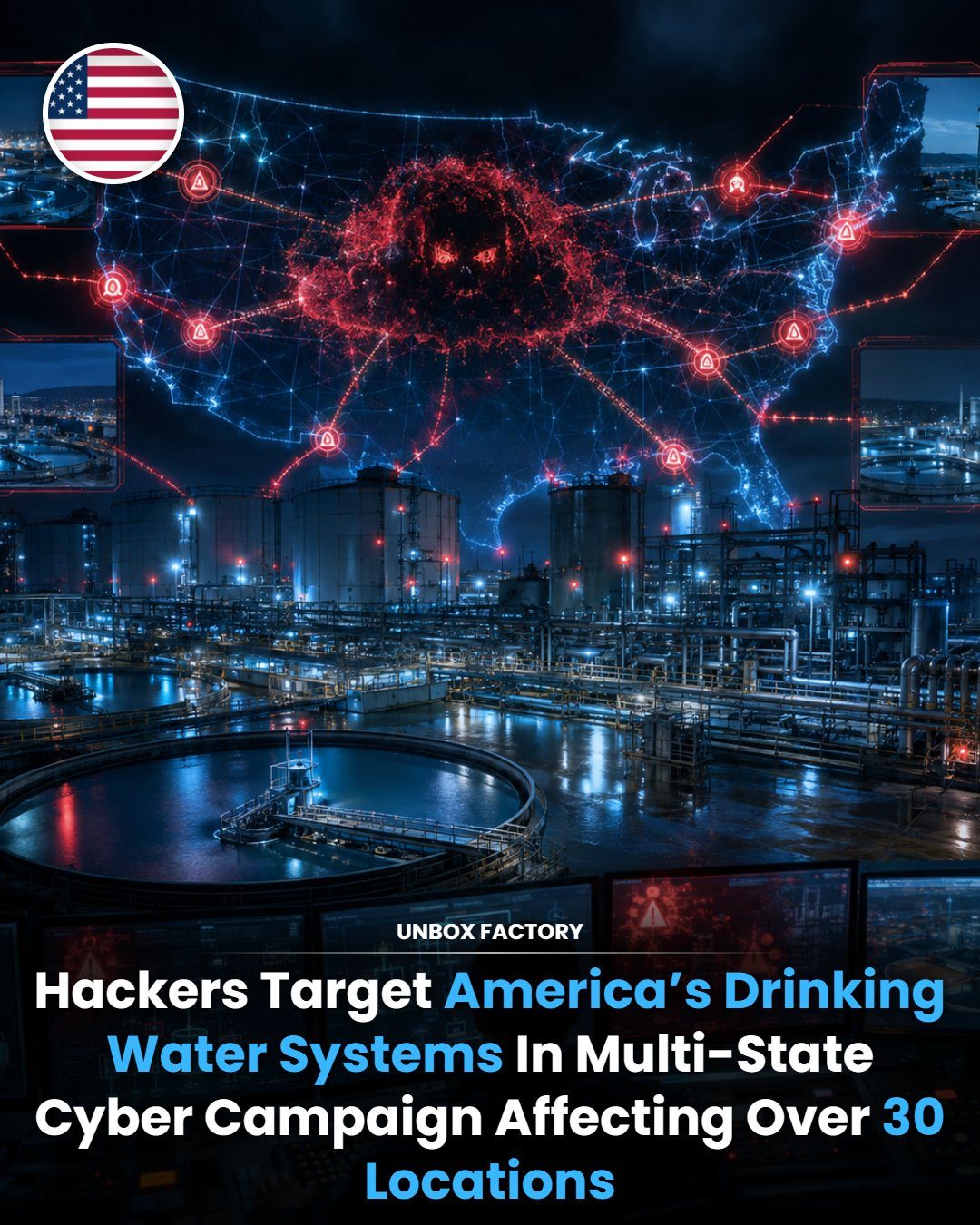
Cybersecurity Threats to America's Drinking Water Systems
A coordinated cybersecurity campaign is targeting multiple drinking water systems across the United States, highlighting the vulnerability of critical infrastructure to digital threats. Investigations by cybersecurity officials reveal that over 30 locations have been impacted, with attackers attempting to breach industrial control systems that manage water treatment, pumping stations, and distribution networks.
The Scope of the Attack
The United States relies on a vast network of public water systems—over 148,000 facilities—to supply safe drinking water to more than 330 million people. These systems are crucial for public health and safety, making them attractive targets for cybercriminals and state-sponsored hacking groups. The recent campaign, affecting numerous states, underscores the growing risk posed by digital threats to these essential services.
Why This Matters
Aging Infrastructure and Digital Connectivity
One of the key factors contributing to the vulnerability of water systems is the aging infrastructure. Many water treatment facilities and distribution networks were built decades ago and were not designed with digital security in mind. The increasing integration of digital technologies into these systems, while improving efficiency and monitoring, also introduces new vulnerabilities that can be exploited by malicious actors.
The Rise of Cyber Threats
The digital age has brought with it a surge in cyber threats, with hackers becoming more sophisticated and organized. State-sponsored groups and cybercriminals are constantly developing new tactics and tools to infiltrate critical infrastructure. The water sector, with its vast and interconnected systems, is a prime target due to the potential impact on large populations.
Understanding the Attack
Targeted Systems
The attacks focus on industrial control systems (ICS), which are essential for managing water treatment processes, pumping stations, and distribution networks. These systems rely on a combination of hardware and software to control and monitor operations, making them critical for maintaining water quality and supply.
Methods Used
While specific details about the methods used in the attacks are not disclosed, common tactics in such campaigns include:
- Phishing: Tricking employees into revealing login credentials or installing malware.
- Ransomware: Encrypting systems and demanding payment to restore access.
- Malware: Introducing malicious software to disrupt or take control of systems.
- Exploiting Vulnerabilities: Leveraging known or unknown software vulnerabilities to gain unauthorized access.
Impact on Public Health
The compromise of water systems can have severe consequences for public health. Contaminated water supplies can lead to outbreaks of waterborne diseases, while disruptions in water distribution can affect essential services like hospitals and emergency response systems. The potential for widespread panic and societal disruption is significant.
Practical Tips for Enhanced Security
Strengthening Cybersecurity Measures
1. Regular Security Audits
Conduct regular security audits to identify and address vulnerabilities in water treatment and distribution systems. These audits should include both digital and physical security assessments.
2. Employee Training
Provide comprehensive training for employees on cybersecurity best practices, including recognizing phishing attempts, using strong passwords, and understanding the importance of reporting suspicious activities.
3. Implementation of Multi-Factor Authentication
Use multi-factor authentication (MFA) for accessing critical systems to add an extra layer of security beyond just passwords.
4. Investing in Advanced Security Solutions
Invest in advanced security solutions, including intrusion detection and prevention systems, and regularly update software to protect against known vulnerabilities.
5. Collaboration and Information Sharing
Collaborate with other water utilities, cybersecurity experts, and government agencies to share information and best practices. Joining industry-specific cybersecurity groups can provide valuable insights and support.
Public Awareness
1. Educating the Community
Educate the community about the importance of water security and the role they can play in protecting critical infrastructure. Encourage reporting of any unusual activity or potential threats.
2. Emergency Preparedness
Develop and regularly update emergency preparedness plans to ensure a swift and effective response to any cyber incidents. Conduct drills to test these plans and improve response times.
Important Takeaways
Water systems across the United States are under threat from a coordinated cybersecurity campaign targeting over 30 locations. The aging infrastructure and increasing digital connectivity make these systems vulnerable to cyber-attacks. The potential impact on public health and safety underscores the need for robust cybersecurity measures.
Conclusion
The recent cybersecurity campaign targeting drinking water systems highlights the urgent need for enhanced security measures. By understanding the scope and methods of these attacks, implementing practical tips for better security, and fostering public awareness, we can better protect our critical water infrastructure. This multi-faceted approach will ensure the safety and reliability of our water systems for future generations.
Watch the Reel
Questions readers ask
How many U.S. water systems have been affected by the recent cyber attack campaign?
Over 30 U.S. water systems have been targeted in the recent cybersecurity campaign. These systems are responsible for managing drinking water treatment, pumping, and distribution networks.
What are the primary targets of these cyber attacks on water systems?
The primary targets are industrial control systems that manage water treatment processes, pumping stations, and distribution networks. These systems are critical for ensuring the safe and reliable delivery of drinking water.
Why are public water systems a prime target for cybercriminals?
Public water systems are essential for maintaining public health and safety, making them attractive targets for cybercriminals. The disruption of these systems can have significant impacts on communities, causing widespread concern and potential harm.
What does this attack reveal about the security of U.S. water infrastructure?
This attack underscores the vulnerability of U.S. water infrastructure to digital threats. It highlights the need for enhanced cybersecurity measures to protect critical public services and ensure the safety of drinking water.
What measures can be taken to protect water treatment facilities from cyber threats?
Implementing robust cybersecurity protocols, regular system updates, and continuous monitoring can help protect water treatment facilities. Additionally, training personnel to recognize and respond to potential cyber threats is crucial for maintaining the integrity of these systems.
How widespread is the network of public water systems in the United States?
The United States has over 148,000 public water facilities, providing safe drinking water to more than 330 million people. This extensive network is a vital part of the country's infrastructure, making it a high-priority target for cybersecurity protection.
Related deep dives
Similar reads based on topic and creator.


Recent articles
Fresh deep dives from the latest Reels we unpacked.




Comments
Be the first to comment.