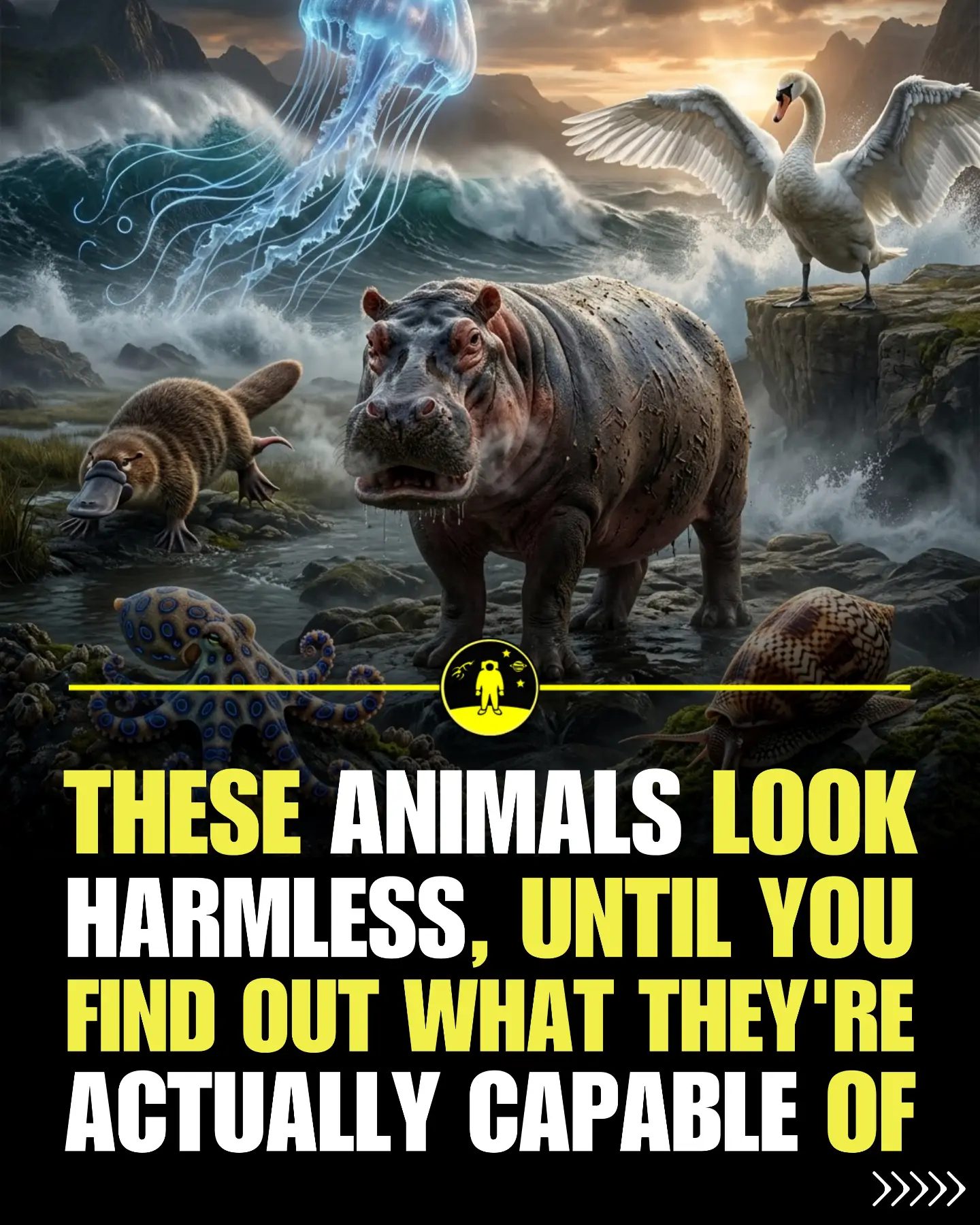
Dangerous Animals That Don't Look Dangerous
Misjudging an animal's danger based on its appearance is a common mistake. Many animals that look harmless or even adorable can actually pose significant threats. Understanding these creatures can help ensure safety when encountering wildlife.
Why This Matters
Being aware of the potential dangers posed by seemingly harmless animals is crucial for outdoor enthusiasts, wildlife professionals, and anyone who spends time in nature. Knowing which animals to avoid and how to react if encountered can prevent serious injuries or even save lives. This information is particularly important for people who live in or visit areas where these animals are prevalent.
Main Discussion
The Platypus: Cute But Dangerous
The platypus, native to eastern Australia, is often considered one of the cutest mammals. However, male platypuses have a surprising defense mechanism: venomous ankle spurs. These spurs can deliver a painful sting that can cause excruciating pain lasting for weeks. While fatalities from platypus stings are rare, the pain and swelling can be severe, and medical attention is often required.
Hippos: Deceptively Calm but Deadly
Hippos may appear calm and docile, but they are actually one of Africa's most dangerous large mammals. Known for their aggressive territorial behavior, hippos can move surprisingly fast on land and are capable of attacking without provocation. Their massive size and powerful jaws make them formidable opponents, and encounters with hippos often result in serious injuries or fatalities.
The Box Jellyfish: Nearly Invisible and Lethal
The box jellyfish is notorious for its nearly invisible appearance in the water, making it extremely difficult to spot. This jellyfish carries one of the most potent venoms in the animal kingdom. Its sting can cause severe pain, cardiac arrest, and even death in severe cases. The box jellyfish is particularly dangerous because its tentacles can deliver multiple stings, and without rapid medical treatment, the outcome can be fatal.
The Blue-Ringed Octopus: Small but Deadly
The blue-ringed octopus is a small, colorful creature that can fit in the palm of your hand. Despite its diminutive size, it possesses a powerful venom containing tetrodotoxin, a neurotoxin that can cause paralysis. There is currently no specific antivenom for the blue-ringed octopus's venom, making encounters with this creature particularly hazardous. The venom can be delivered through a bite, and the effects can be rapid and severe.
Cone Snails: Beautiful Shells, Lethal Harpoons
Cone snails are known for their beautiful, spiral shells, but their appearance is deceptive. These snails use a harpoon-like structure to deliver venom to their prey. The venom is highly potent and can cause severe reactions in humans, including paralysis. Some cone snail species are capable of causing serious injuries or even death to humans, making them one of the most dangerous marine animals.
Swans: Territorial and Aggressive Defenders
Swans, often admired for their graceful appearance, can become highly aggressive during nesting season. These birds are known to defend their territory fiercely and may attack people or pets that come too close. Their powerful wings and sharp beaks can cause serious injuries, making it important to maintain a safe distance from nesting swans.
Cassowaries: Powerful and Dangerous
Cassowaries are large, flightless birds native to the tropical rainforests of Indonesia, New Guinea, and northeastern Australia. They possess dagger-like claws capable of causing life-threatening injuries if threatened. Cassowaries are not typically aggressive but will defend themselves and their young if provoked, making them a significant hazard in their natural habitat.
Slow Lorises: Adorable but Toxic
Slow lorises, with their large eyes and endearing appearance, are often kept as pets. However, these small primates have a toxic bite that can trigger severe allergic reactions in susceptible people. The toxin, found in their saliva, can cause swelling, breathing difficulties, and even anaphylactic shock in humans. This makes slow lorises a dangerous animal to handle, despite their cute appearance.
Practical Tips
When encountering potentially dangerous animals, it's essential to follow these practical tips:
- Maintain a Safe Distance: Always keep a safe distance from wildlife, especially during nesting or breeding seasons.
- Avoid Provoking: Do not approach or provoke animals that appear aggressive or territorial.
- Stay Informed: Educate yourself about the local wildlife and their behaviors before venturing into their habitats.
- Carry a First Aid Kit: Always carry a first aid kit with you, especially if you are in an area known for dangerous animals.
- Know Emergency Protocols: Be aware of the emergency protocols and medical responses for animal-related injuries in the areas you visit.
Important Takeaways
- Appearances Can Be Deceiving: Many animals that look harmless or adorable can pose significant threats.
- Know Your Surroundings: Be aware of the wildlife in the areas you visit and understand their behaviors and defenses.
- Safety First: Always prioritize safety when encountering wildlife, and be prepared for potential dangers.
- Respect Wildlife: Maintain a safe distance and avoid provoking or handling wild animals, no matter how cute or harmless they may seem.
Conclusion
The natural world is full of surprises, and some of the most dangerous animals are the ones that don't look dangerous at all. By understanding the defenses and behaviors of these animals, we can better appreciate the complexities of nature and ensure our safety when exploring the great outdoors.
Watch the Reel
Questions readers ask
What makes the platypus dangerous despite its cute appearance?
The platypus, native to eastern Australia, possesses a unique feature: venomous spurs on its hind feet. While not typically aggressive, males can deliver a painful and potentially dangerous sting if provoked. These spurs are connected to venom glands that produce a toxin similar to that of some snakes, making encounters with them potentially harmful.
How can the box jellyfish, which is nearly invisible, be identified and avoided?
Box jellyfish are transparent and nearly invisible in water, making them extremely dangerous. To avoid them, pay attention to warning signs at beaches, and wear protective clothing when swimming in areas where they are known to inhabit. If stung, seek immediate medical help, as their venom can be lethal.
What should I do if I encounter a seemingly docile hippopotamus?
Hippos may appear peaceful, but they are highly aggressive and territorial. Maintain a safe distance, especially when near their water sources and if you see a new mother. If you encounter one on land, do not approach it and back away slowly. Hippos can move surprisingly fast and have been known to attack humans who come too close.
Are there any other seemingly harmless animals with powerful venom?
Yes, the cone snail is another example. These small, shellfish have a harpoon-like tooth that they use to inject a powerful venom. This venom can be fatal to humans. If you encounter a cone snail, it is best to observe from a safe distance and avoid handling them.
Related deep dives
Similar reads based on topic and creator.



Recent articles
Fresh deep dives from the latest Reels we unpacked.




Comments
Be the first to comment.