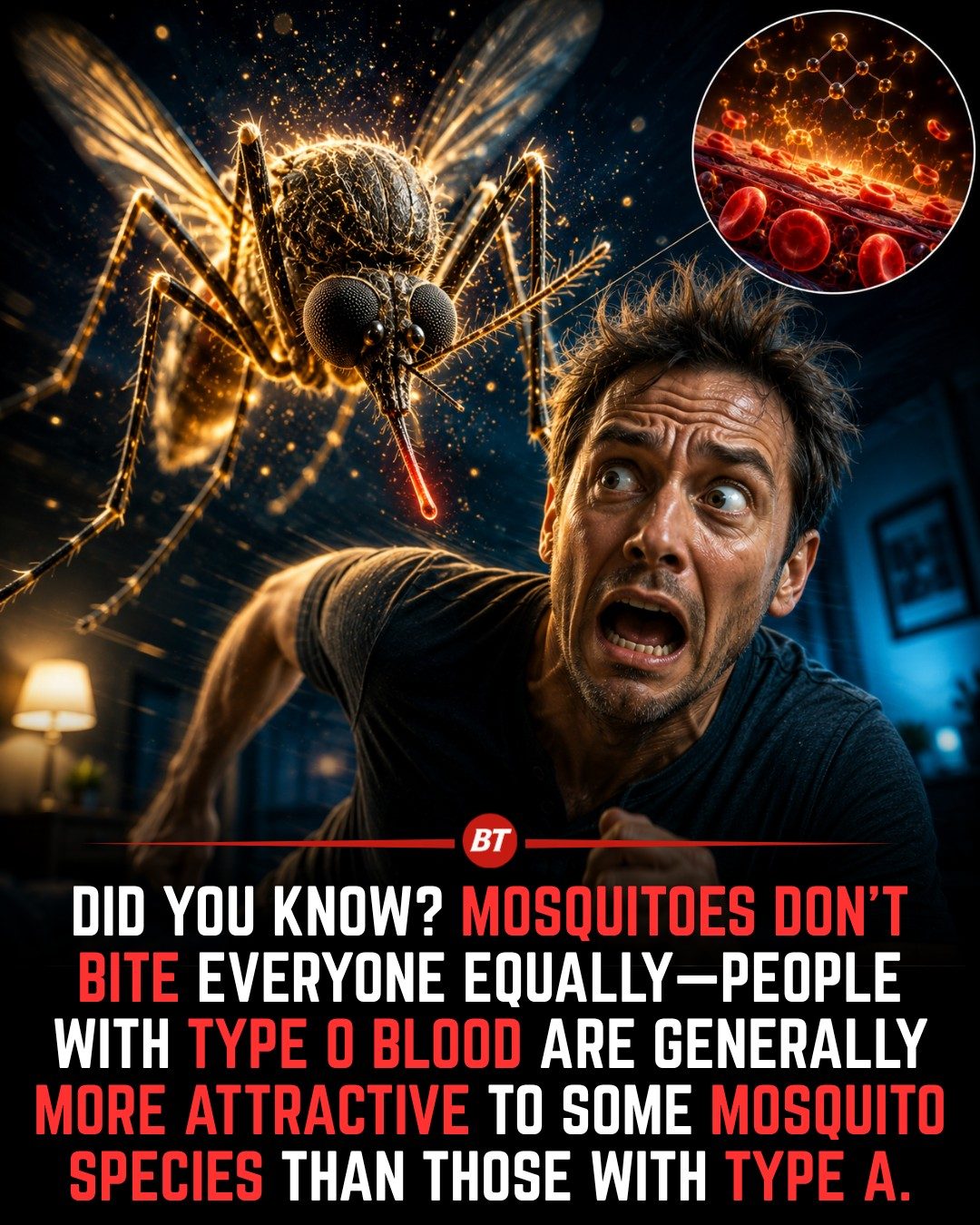
Mosquito Bites and Blood Type
Mosquitoes seem to have a particular affinity for some people, biting them relentlessly while sparing others. This preference is tied to several factors, including a person's blood type. Recent studies have shed light on why mosquitoes might find certain individuals more attractive than others, offering insights into the science behind these tiny, pesky insects.
Why This Matters
Understanding why mosquitoes are attracted to certain people can help individuals take better precautions to avoid bites. This information can be particularly useful for those who live in areas with high mosquito populations or those who spend a lot of time outdoors. By knowing the factors that influence mosquito attraction, people can make informed decisions to reduce their exposure to bites and the associated risks, such as the transmission of diseases like West Nile virus, Zika, and malaria.
Main Discussion
How Blood Type Affects Mosquito Attraction
Research has shown that mosquitoes do not attack indiscriminately. Instead, they are drawn to specific individuals based on various factors, including blood type. People with Type O blood are generally more attractive to certain mosquito species than those with Type A blood. Type B blood type often falls somewhere in between in terms of attractiveness to mosquitoes. This phenomenon is thought to be due to chemical compounds naturally released through the skin that reflect a person's blood type. Mosquitoes can detect these compounds, which help guide their choice of host.
Other Factors Influencing Mosquito Attraction
Blood type is just one piece of the puzzle. Mosquitoes are also strongly attracted to carbon dioxide, which we exhale with every breath. This is why adults, who exhale more carbon dioxide than children, are bitten more often. Additionally, people who are exercising or have recently consumed alcohol may produce more carbon dioxide, making them more attractive to mosquitoes.
Body heat, sweat, and skin bacteria also play a role. Mosquitoes are drawn to the warmth and moisture of the skin, as well as the specific bacterial composition that varies from person to person. Pregnancy can also increase the attractiveness of a person to mosquitoes, as pregnant individuals produce more carbon dioxide and have higher body temperatures. Lastly, dark-colored clothing can make a person more visible to mosquitoes, as they see contrast better than color.
The Role of Secretors
Another intriguing factor is the presence of "secretors." About 80-85% of people naturally secrete blood type markers through their skin, while others do not. Mosquitoes appear to respond more strongly to these "secretors," which may partly explain why two people with the same blood type can still experience very different numbers of bites. This variability in attraction is a significant reason why some individuals seem to be mosquito magnets, while others are rarely bitten.
Practical Tips
To minimize mosquito bites, consider the following practical tips:
Use Insect Repellent
Choose an insect repellent that contains DEET, picaridin, or oil of lemon eucalyptus. These ingredients are effective in repelling mosquitoes and can be applied to the skin or clothing.
Wear Light-Colored Clothing
Dark colors can attract more mosquitoes, so opt for light-colored clothing when spending time outdoors, especially at dawn and dusk when mosquitoes are most active.
Eliminate Standing Water
Mosquitoes breed in standing water, so it's essential to eliminate any sources around your home. This includes emptying flower pots, birdbaths, and other containers that can collect water.
Avoid Mosquito-Heavy Areas
If possible, avoid spending time in areas known for high mosquito populations, especially during peak mosquito hours. If you must be in such areas, cover up with long sleeves and pants and use insect repellent.
Install Mosquito Nets
For added protection, especially when sleeping, install mosquito nets around beds and ensure that windows have screens to keep mosquitoes out.
Important Takeaways
Understanding the factors that influence mosquito attraction is key to minimizing bites. Blood type, body heat, sweat, carbon dioxide, and skin bacteria all play a role in how attractive a person is to mosquitoes. People with Type O blood are generally more attractive to certain mosquito species than those with Type A blood. Additionally, the presence of "secretors" can make some individuals more attractive to mosquitoes. By taking practical steps, such as using insect repellent, wearing light-colored clothing, eliminating standing water, and avoiding mosquito-heavy areas, individuals can significantly reduce their risk of bites and the associated risks.
Conclusion
Mosquitoes' preference for certain individuals is influenced by a variety of factors, with blood type being a significant one. Understanding these factors can help individuals take better precautions to avoid bites and reduce their risk of mosquito-borne diseases. By being mindful of the environmental and physiological factors that attract mosquitoes, individuals can make informed decisions to protect themselves and enjoy their outdoor activities more comfortably.
Watch the Reel
Questions readers ask
Why are mosquitoes more attracted to people with Type O blood?
Mosquitoes are more attracted to people with Type O blood due to certain compounds and markers found in their blood. These compounds make Type O blood more detectable to mosquitoes, increasing the likelihood of being bitten. Additionally, people with Type O blood may also produce certain skin secretions that further attract mosquitoes.
Can I change my blood type to avoid mosquito bites?
You are born with your blood type and it cannot be changed. However, you can take other precautions to reduce mosquito bites. Using insect repellent, wearing long sleeves and pants, and avoiding peak mosquito hours can help minimize exposure.
What other factors, besides blood type, influence mosquito attraction?
Besides blood type, mosquitoes are attracted to humans due to factors such as carbon dioxide emission, body heat, and lactic acid and other compounds in sweat. Some people produce more of these attractants, making them more susceptible to mosquito bites.
How can people with Type O blood reduce their risk of mosquito bites?
People with Type O blood should take extra precautions to avoid mosquito bites. This includes using insect repellents, wearing protective clothing, avoiding areas with high mosquito populations, and installing screens on windows and doors. Additionally, eliminating standing water around the home can reduce mosquito breeding grounds.
Are there specific times when mosquitoes are more likely to bite?
Mosquitoes are generally more active during dawn and dusk. This is when they are most likely to bite. However, some species of mosquitoes can bite at any time of the day. Staying indoors during peak mosquito hours and using repellents when outdoors can help reduce the risk of bites.
Do mosquitoes have a preference for other blood types besides Type O?
While Type O blood is the most attractive to mosquitoes, studies suggest that mosquitoes may also prefer Type B blood over Type A. However, the preference is generally more pronounced for Type O, making it important for individuals with this blood type to take extra precautions against mosquito bites.
Can understanding mosquito preferences help in preventing diseases they carry?
Yes, understanding why mosquitoes prefer certain individuals can help in preventing diseases they carry, such as Zika, dengue, and West Nile virus. By taking informed precautions, such as using repellents and avoiding peak mosquito hours, individuals can reduce their exposure to these diseases, especially in high-risk areas.
Related deep dives
Similar reads based on topic and creator.




Recent articles
Fresh deep dives from the latest Reels we unpacked.




Comments
Be the first to comment.