Robot Wedding in Moscow: A Marriage of Technology and Entertainment
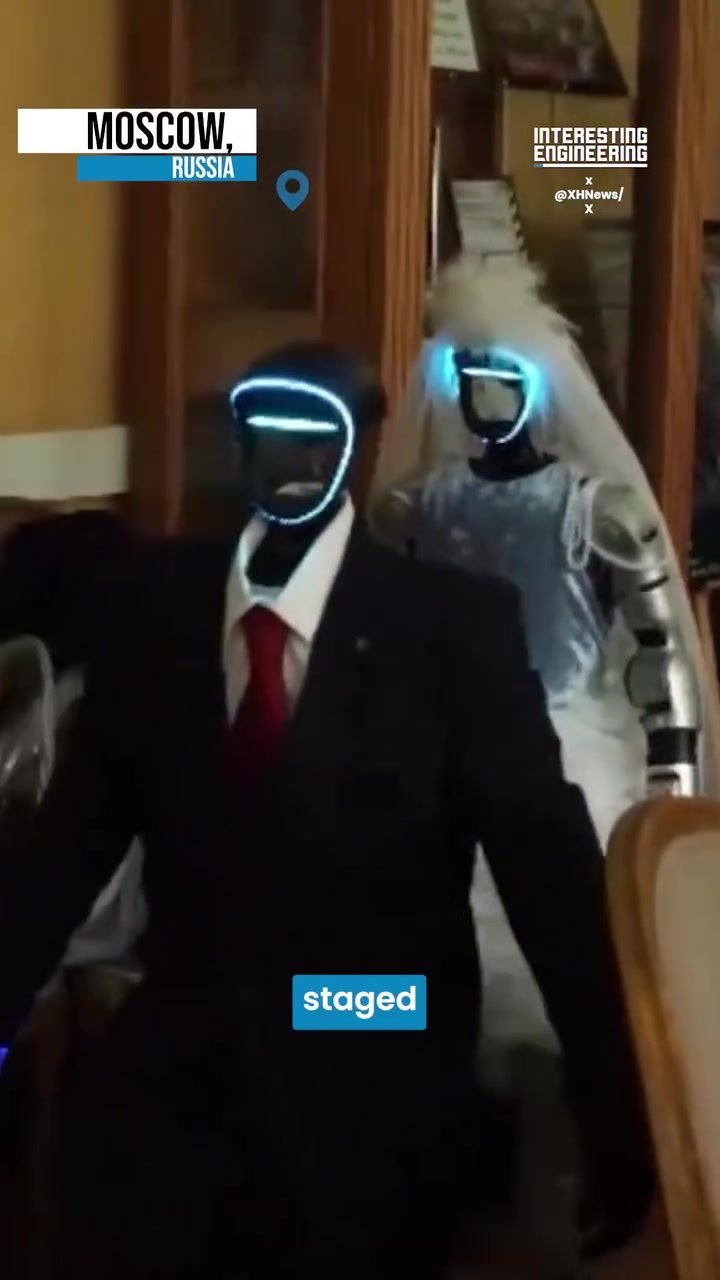
A unique and symbolic wedding took place at Moscow's Pushkin Library, where two humanoid robots, Robert and Matilda, exchanged vows in a carefully staged marriage ceremony.
Why This Matters
The event underscored the remarkable advancements in humanoid robotics and social robotics, offering a glimpse into the future of technology and entertainment. It blended imaginative storytelling with coordinated movement and human-like interactions, showcasing the potential of these advanced technologies in public and social settings.
Main Discussion
The Ceremony and Its Significance
The wedding ceremony, held at Moscow's Pushkin Library, was Russia's first symbolic robot wedding. Humanoid robots Robert, who is portrayed as an office worker and blogger, and Matilda, a ballerina, exchanged vows in a public display of technology and entertainment.
The ceremony included a robot dog, adding to the futuristic and imaginative aspect of the event. This was not just a marriage between two robots, but a celebration of the latest advancements in humanoid robotics. The event showcased the ability of robots to perform human-like interactions, including coordinated movements and complex social behaviors.
The staging of this ceremony at the Pushkin Library, a renowned cultural institution, highlights the integration of technology into the cultural fabric of society. Moscow chose this iconic venue to emphasize the significance of this event and to attract attention to the potential of robotics in public settings.
The Robots and Their Roles
Humanoid robots, designed to mimic human appearance and behavior, are increasingly becoming part of our daily lives. Robert and Matilda, in their respective roles as an office worker and a ballerina, demonstrated the versatility of humanoid robots in various professions and social settings.
Robert, an office worker and blogger, showcased the potential of robots in administrative and content creation roles. His ability to engage in public events and interact with the audience highlighted the growing use of robots in customer service and public relations.
Matilda, a ballerina, exemplified the growing field of robotics in arts and entertainment. Her graceful movements and ability to perform complex dance routines demonstrated the potential of robots in creative fields. This aspect of the ceremony showcased the integration of art and technology, offering a unique glimpse into the future of performance arts.
Their coordinated movements and interactions during the ceremony reflected the advancements in robotics technology, showcasing the ability of robots to perform complex tasks and human-like interactions.
The Future of Social Robotics
The event provided a glimpse into the future of social robotics, where robots are increasingly becoming part of our social fabric. The ability of robots to perform coordinated movements and human-like interactions in a public setting is a significant milestone in the field of robotics.
This technology has the potential to revolutionize various sectors, including healthcare, education, and entertainment. The wedding ceremony in Moscow showcased the potential of robots in public and social settings, offering a glimpse into a future where robots are integral to our daily lives.
Practical Tips
For those interested in the field of robotics, there are several key areas to focus on:
-
Understanding Human Behavior: To create robots that can perform human-like interactions, it is essential to understand human behavior and communication. This includes studying social cues, non-verbal communication, and human psychology.
-
Advanced Programming: Developing robots that can perform complex tasks and movements requires advanced programming skills. Focusing on areas such as artificial intelligence, machine learning, and robotics programming can help achieve this goal.
-
Coordination and Synchronization: To create robots that can perform coordinated movements, it is essential to focus on synchronization and coordination. This includes developing algorithms that can help robots work together and perform complex tasks in unison.
-
Public Display: Regularly showcasing the abilities of robots in public settings can help raise awareness and interest in the field. This includes events like the robot wedding in Moscow, which not only showcased the latest advancements but also offered a glimpse into the future of social robotics.
Important Takeaways
The robot wedding in Moscow highlighted several important takeaways in the field of robotics:
-
Integration of Technology and Entertainment: The event showcased the growing integration of technology and entertainment, offering a glimpse into the future of public events and performances.
-
Potential of Humanoid Robots: Humanoid robots have the potential to revolutionize various sectors, including healthcare, education, and entertainment. Their ability to perform human-like interactions and complex tasks makes them an invaluable asset in public and social settings.
-
Growing Field of Social Robotics: The event highlighted the growing field of social robotics, where robots are increasingly becoming part of our social fabric. This includes areas such as customer service, public relations, and performance arts.
Conclusion
The symbolic robot wedding in Moscow was a landmark event that showcased the remarkable advancements in humanoid robotics. The ceremony, held at the Pushkin Library, highlighted the ability of robots to perform human-like interactions and coordinated movements in a public setting.
The event provided a glimpse into the future of social robotics, where robots are increasingly becoming part of our daily lives. As technology continues to advance, the potential of robots in various sectors, including healthcare, education, and entertainment, will only grow. The robot wedding in Moscow serves as a reminder of the exciting possibilities that lie ahead in the field of robotics.
Watch the Reel
Questions readers ask
What makes the robot wedding in Moscow unique?
The robot wedding in Moscow is unique because it is the first of its kind in the city, featuring humanoid robots Robert and Matilda exchanging vows in a public ceremony. This event highlights the intersection of advanced robotics and entertainment, offering a new perspective on future wedding trends.
Where did the first robot wedding in Moscow take place?
The first robot wedding in Moscow took place at the Pushkin Library, a historic and culturally significant location in the city. The choice of venue added a layer of sophistication and cultural relevance to the event.
What role did technology play in the robot wedding ceremony?
Technology played a central role in the robot wedding ceremony, with advanced humanoid robots performing a carefully staged marriage. The robots, equipped with coordinated movement and human-like interactions, demonstrated the potential of cutting-edge robotics in public and social settings.
Why is the robot wedding significant for Moscow's wedding trends?
The robot wedding is significant for Moscow's wedding trends as it introduces a new, futuristic element to traditional ceremonies. By blending technology and entertainment, this event may inspire more innovative and technologically advanced wedding experiences in the future.
What are the potential implications of the robot wedding for the future of wedding entertainment?
The robot wedding in Moscow suggests that the future of wedding entertainment could involve more interactive and technologically advanced elements. Robots and AI could potentially play a role in creating memorable, unique, and personalized wedding experiences.
Who were the robots involved in the Moscow robot wedding?
The robots involved in the Moscow robot wedding were humanoid robots named Robert and Matilda. These robots were designed to mimic human-like interactions and movements, making the ceremony more engaging and lifelike.
How does the robot wedding reflect advancements in robotics?
The robot wedding reflects advancements in robotics by showcasing the capabilities of humanoid robots in performing complex, socially interactive tasks. The robots' ability to exchange vows and interact in a public setting demonstrates the progress made in social robotics and humanoid technology.
Related deep dives
Similar reads based on topic and creator.


Recent articles
Fresh deep dives from the latest Reels we unpacked.




Comments
Be the first to comment.