Erectile Dysfunction and Cardiovascular Health
Erectile dysfunction (ED) and cardiovascular health are closely linked. Beyond being a personal challenge, ED can be an early indicator of potential cardiovascular problems, often appearing 3 to 5 years before major cardiac events.
Why This Matters
The connection between cardiovascular health and erectile function is significant. Both the heart and penis rely on healthy blood vessels for proper functioning. When the inner lining of these vessels becomes damaged, a condition called endothelial dysfunction, blood flow decreases throughout the body. The arteries supplying the penis are smaller than coronary arteries, making them more sensitive to this damage. This means that the same level of arterial damage shows up in the penis first, before it becomes obvious in the heart. Think of it like a canary in a coal mine. The smaller vessels sound the alarm before the larger ones fail.
Men's Health and Morning Erections
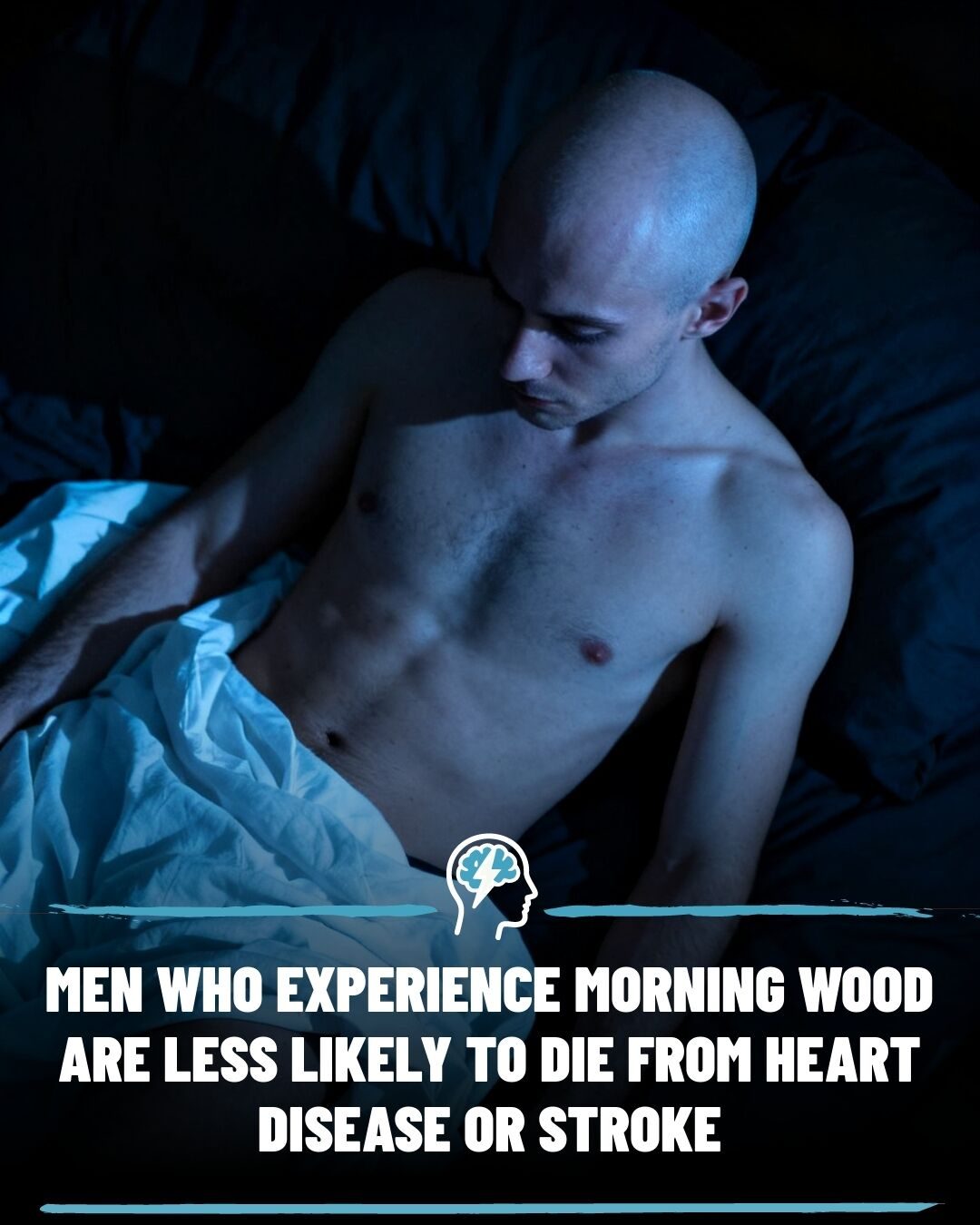
While ED is a significant indicator, morning erections specifically offer valuable insights. Men who experience morning wood are less likely to die from heart disease or stroke. This is because morning erections are a good indicator of overall vascular health. If a man is experiencing ED, including the absence of morning erections, it may be a sign that something is affecting his cardiovascular system.
Underlying Causes
For some, ED might be a result of lifestyle factors, including stress, medications, or hormonal changes. However, when it appears without an obvious cause, it's crucial to consider potential cardiovascular issues. Research published by the American Heart Association found that ED diagnosis was associated with a twofold increase in heart attacks, strokes, and cardiovascular death, independent of traditional risk factors like smoking or diabetes.
Supporting Heart Health
The encouraging part is that the same lifestyle habits that support heart health can also support sexual health. Staying physically active, eating a balanced diet rich in whole foods, managing stress, and getting regular checkups are all steps that are linked to better outcomes for both cardiovascular and sexual health.
Regular Checkups and Screenings
One of the most important steps is to stay on top of regular checkups and screenings. If you are experiencing changes in this area, do not ignore them or feel embarrassed. Your body communicates with you in many ways. Sometimes listening to those signals can make a significant difference in your overall health.
Stress Management
Stress is a significant contributor to both ED and cardiovascular issues. Finding effective ways to manage stress, whether through exercise, therapy, or mindfulness practices, can be beneficial. Stress management techniques can help improve both your cardiovascular and sexual health.
Lifestyle Changes
Lifestyle changes, such as maintaining a healthy weight, avoiding smoking, and limiting alcohol consumption, are also crucial. Regular exercise and a diet rich in fruits, vegetables, and lean proteins can support overall vascular health, thereby improving both cardiovascular and sexual function.
Practical Tips
When it comes to addressing ED and potential cardiovascular issues, taking a proactive approach is essential. Here are some practical tips to consider:
Stay Active
Regular physical activity can greatly improve both cardiovascular and sexual health. Aim for at least 150 minutes of moderate-intensity or 75 minutes of vigorous-intensity exercise per week.
Eat a Balanced Diet
A diet rich in whole foods, including fruits, vegetables, lean proteins, and whole grains, can support overall health. Limit processed foods, sugars, and unhealthy fats.
Manage Stress
Stress can have a significant impact on both cardiovascular and sexual health. Find healthy ways to manage stress, such as exercise, meditation, or talking to a therapist.
Regular Checkups
Regular medical checkups are essential for monitoring your health. If you are experiencing ED, discuss it with your doctor to rule out any underlying health issues.
Quit Smoking
Smoking is a major risk factor for both cardiovascular disease and ED. Quitting smoking can significantly improve your overall health and reduce the risk of these conditions.
Important Takeaways
- Erectile dysfunction can be an early indicator of cardiovascular problems, often appearing 3 to 5 years before major cardiac events.
- Men who experience morning erections are less likely to die from heart disease or stroke, as morning erections indicate good vascular health.
- Both the heart and penis rely on healthy blood vessels, so damage to these vessels can affect both functions.
- Lifestyle habits that support heart health also support sexual health, including regular exercise, a balanced diet, and stress management.
- Regular checkups and screenings are essential for monitoring and addressing potential health issues.
Conclusion
Erectile dysfunction is more than just a personal challenge; it can be an early warning sign of potential cardiovascular problems. By understanding the connection between ED and cardiovascular health, men can take proactive steps to improve their overall well-being. Staying active, eating a balanced diet, managing stress, and getting regular checkups are all important steps in supporting both heart and sexual health. If you are experiencing changes in this area, do not ignore them. Your body is communicating with you, and listening to those signals can make a significant difference in your overall health.
Watch the Reel
Questions readers ask
What does the presence of morning erections indicate about a man's health?
The presence of morning erections, or 'morning wood,' suggests that a man's blood vessels are functioning well, which is a positive sign of overall vascular health. Regular morning erections can indicate that blood flow is adequate and that there are no significant obstructions in the blood vessels.
Can the absence of morning erections be a cause for concern?
Yes, the absence of morning erections may signal potential cardiovascular issues. Since morning erections are influenced by blood flow, a lack of them could indicate that there are obstructions or damage to the blood vessels, which are also signs of poor heart health.
How does erectile dysfunction relate to cardiovascular health?
Erectile dysfunction (ED) and cardiovascular health are closely linked. ED can be an early warning sign of potential cardiovascular problems, often appearing years before major cardiac events. This is because both the heart and the penis rely on healthy blood vessels for proper functioning.
Why are the arteries in the penis more sensitive to damage?
The arteries supplying blood to the penis are smaller than those supplying the heart. This makes them more sensitive to damage and obstructions, which means that signs of arterial damage often appear in the penis before they affect the heart.
What is endothelial dysfunction and how does it affect heart health?
Endothelial dysfunction is a condition where the inner lining of blood vessels becomes damaged, reducing blood flow throughout the body. This condition can affect both the heart and the penis, potentially leading to erectile dysfunction and, in severe cases, heart disease. Monitoring vascular health through signs like morning erections can help detect this issue early.
How can monitoring morning erections help in preventing heart disease?
Regularly monitoring morning erections can serve as a simple and non-invasive way to track vascular health. If morning erections are infrequent or absent, it may indicate that there are underlying cardiovascular issues that need to be addressed, potentially helping to prevent more serious heart problems in the future.
What steps should men take if they notice changes in their morning erections?
Men who notice changes in their morning erections, such as a decrease in frequency or absence, should consult with a healthcare provider. These changes can be an early indicator of cardiovascular issues, and early intervention can help mitigate potential health risks. Regular check-ups and discussions with a healthcare provider can help maintain overall health and well-being.
Recent articles
Fresh deep dives from the latest Reels we unpacked.




Comments
Be the first to comment.