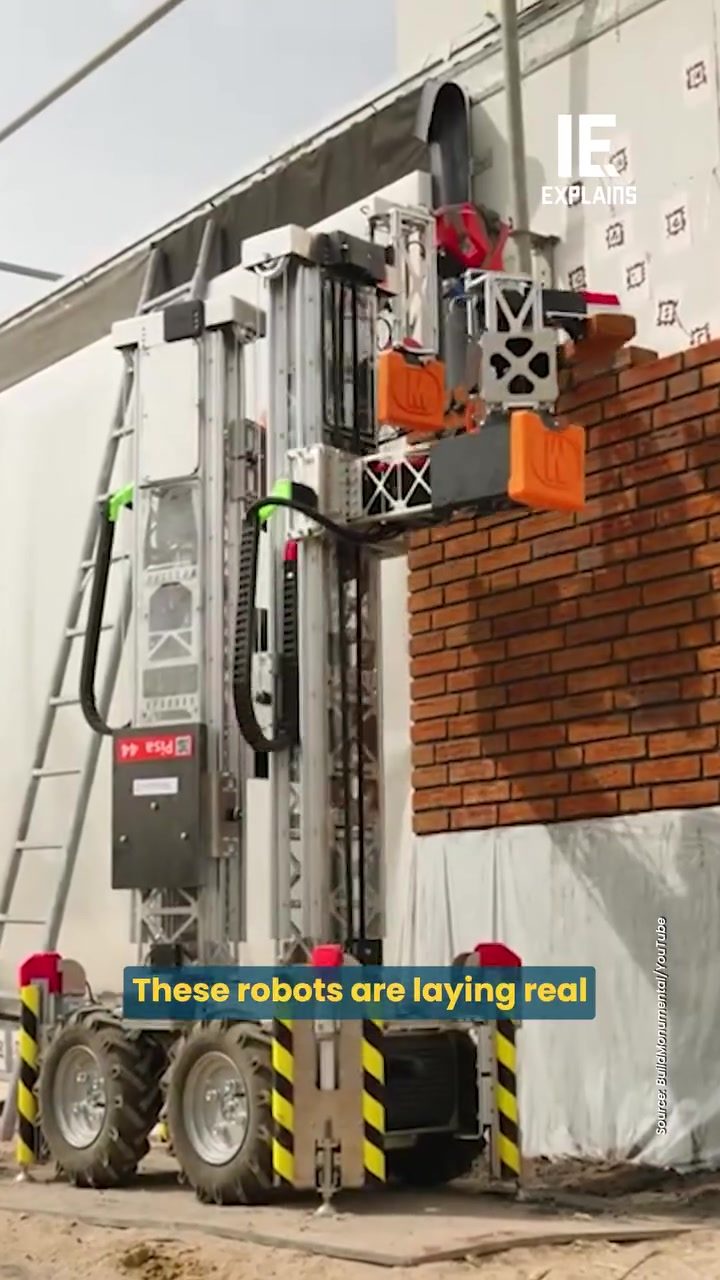
Construction Robots: Revolutionizing Bricklaying with Precision
Autonomous bricklaying robots are transforming the construction industry, and one Dutch startup, Monumental, is at the forefront of this innovation. With a recent $32 million Series B funding round led by Khosla Ventures, Monumental is scaling up its fleet of electric, autonomous robots designed to lay bricks with millimeter precision. This investment is crucial as the construction sector faces significant labor shortages, particularly in the US, where the monthly deficit ranges from 200,000 to 400,000 workers. The implications of these advancements are vast, promising to address critical housing needs and reshape construction practices.
Context / Why this matters
Addressing Labor Shortages
The construction industry is grappling with a severe labor shortage, especially in the US. This gap is causing delays in crucial projects and hindering the supply of much-needed housing. Monumental's robots offer a solution by automating the labor-intensive task of bricklaying. These robots can operate continuously, reducing the reliance on human labor and helping to meet construction deadlines more efficiently.
Enhancing Precision and Efficiency
Traditional bricklaying is a meticulous process that requires skilled labor. Human errors can lead to structural issues and costly repairs. Monumental's robots, however, use advanced sensors, computer vision, and small cranes to lay bricks with millimeter precision. This level of accuracy ensures that walls are built to exact specifications, minimizing errors and enhancing the overall quality of construction.
Environmental Impact
Autonomous construction robots, such as those developed by Monumental, are electric and thus more environmentally friendly than traditional construction methods. By reducing the need for diesel-powered machinery and minimizing waste, these robots contribute to a more sustainable construction industry. This eco-friendly approach is becoming increasingly important as the world seeks to address climate change.
Main discussion
The Technology Behind Monumental's Robots
Monumental's robots are powered by an AI platform called Atrium, which integrates sensors, computer vision, and small cranes to lay bricks with exceptional precision. The robots are designed to operate autonomously on construction sites, laying bricks all day to the specified dimensions. This technology allows for a higher level of precision and efficiency, ensuring that construction projects are completed on time and to the highest quality standards.
Current Achievements
Monumental's fleet already consists of over 100 robots, which have built the walls of more than 100 homes across the Netherlands and the UK. Additionally, these robots have contributed to the construction of a school, a hotel, and stretches of canal walls. The fleet's capabilities demonstrate the potential of autonomous construction technology to revolutionize the industry.
Business Model
Monumental operates as a subcontractor, providing its robotic services to construction companies. Clients hire Monumental and pay only for the finished walls, making the process cost-effective and transparent. This model allows construction companies to leverage advanced technology without the need for significant upfront investments in robotic equipment.
Practical tips for integrating construction robots
Assessing Project Needs
Before integrating construction robots into a project, it's essential to assess the specific needs and requirements. Consider the type of construction, the scale of the project, and the desired level of precision. This assessment will help determine whether robotic technology is the right fit and how it can be most effectively utilized.
Training and Collaboration
While robots can automate many tasks, human oversight and collaboration are still necessary. Ensure that construction teams are adequately trained to work alongside robots and that there is clear communication between human workers and the robotic systems. This collaboration will help maximize efficiency and ensure the smooth integration of robotic technology.
Cost-Benefit Analysis
Conduct a thorough cost-benefit analysis to evaluate the financial implications of using construction robots. Consider the upfront costs, potential savings on labor and materials, and the long-term benefits of improved efficiency and precision. This analysis will help determine the feasibility and potential return on investment for a specific project.
Important takeaways
Revolutionizing Construction
Monumental's robots represent a significant leap forward in construction technology. By automating the labor-intensive task of bricklaying, these robots are helping to address labor shortages, enhance precision, and improve overall efficiency in the construction industry.
Sustainable and Efficient
The use of electric, autonomous robots in construction is not only more efficient but also more environmentally friendly. These robots reduce the reliance on traditional diesel-powered machinery and minimize waste, contributing to a more sustainable construction industry.
Future Prospects
With the recent $32 million funding round, Monumental is poised to scale up its operations and bring its robotic technology to the US market. This expansion will further revolutionize the construction industry, offering new opportunities for efficiency, precision, and sustainability.
Conclusion
The advent of autonomous bricklaying robots, led by innovative companies like Monumental, is transforming the construction industry. By addressing labor shortages, enhancing precision, and promoting sustainability, these robots are paving the way for a more efficient and environmentally friendly future. As the technology continues to evolve, the potential for further advancements and widespread adoption is immense, promising to reshape the way we build and construct.
Watch the Reel
Questions readers ask
What makes Monumental's bricklaying robots unique in the construction industry?
Monumental's bricklaying robots stand out due to their autonomous operation and electric power, which reduces the need for human labor and reduces carbon emissions. Their millimeter precision helps minimize errors and improve construction efficiency.
How will Monumental's $32 million Series B funding be used?
The funding will be primarily used to expand Monumental's fleet of electric, autonomous bricklaying robots. This scaling up is aimed at addressing the significant labor shortages in the US construction industry, particularly in housing construction.
What are the primary benefits of using autonomous bricklaying robots in construction?
The primary benefits include increased precision, reduced errors, and greater efficiency. These robots can help fill labor gaps, particularly in the US, and can contribute to addressing the critical need for housing.
How does Monumental's technology address the labor shortages in the US construction industry?
By deploying a larger fleet of autonomous robots, Monumental can help bridge the labor gap, which ranges from 200,000 to 400,000 workers monthly, by taking over bricklaying tasks that would otherwise require human labor.
What role do electric construction robots play in sustainability efforts?
Electric construction robots like those developed by Monumental contribute to sustainability by reducing carbon emissions associated with traditional construction methods. Their electric power source aligns with broader environmental goals in the construction industry.
Related deep dives
Similar reads based on topic and creator.


Recent articles
Fresh deep dives from the latest Reels we unpacked.




Comments
Be the first to comment.