Monument to Women
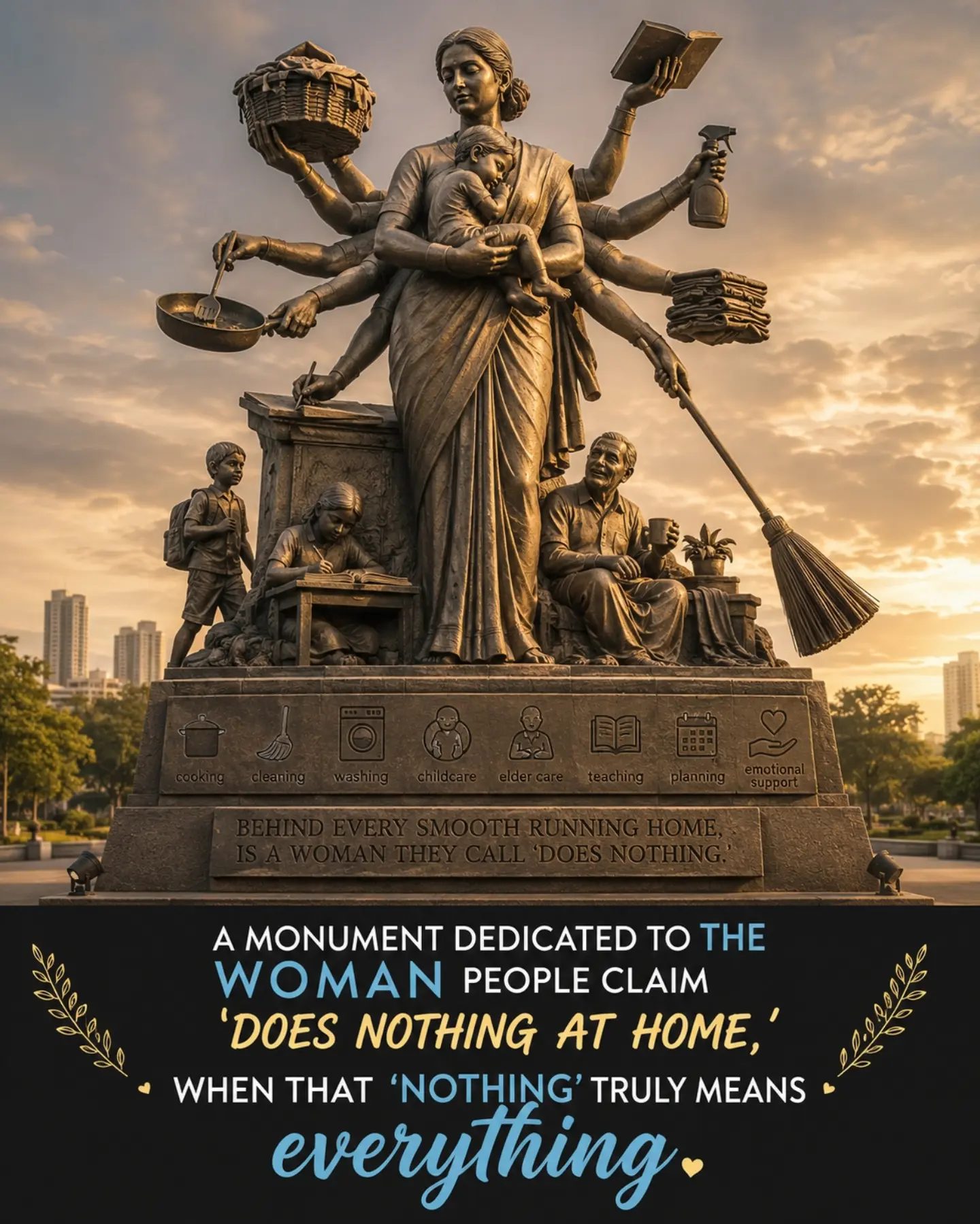
Public art installations often serve as powerful reminders of societal issues, and the Monument to Women is no exception. This striking statue features a woman with multiple arms, each representing different roles and responsibilities within a household. Set against a sunset backdrop, the artwork is a compelling tribute to the often-unseen labor of women.
Context / Why This Matters
The Monument to Women challenges the deeply ingrained stereotype of women being perceived as "doing nothing" within the home. This misconception often overlooks the myriad tasks that women are responsible for, including cooking, cleaning, childcare, elder care, teaching, planning, and emotional support. By highlighting these roles, the monument aims to recognize and appreciate the extensive contributions women make to the smooth running of their households and beyond.
Main Discussion
Depiction and Symbolism
The statue's design is rich with symbolism. The woman is depicted with multiple arms, each holding an object or performing a task that represents a different responsibility. This visual metaphor underscores the multitasking nature of women's roles in the home. The various tasks depicted include cooking, which provides sustenance for the family; cleaning, which maintains the household environment; and childcare and elder care, which involve nurturing and supporting family members of all ages. Teaching and planning represent the organizational and educational roles that women often take on, while emotional support highlights the crucial role of emotional well-being within the family.
Challenging Perceptions
The monument is dedicated "to the woman people claim 'does nothing at home,' when they truly mean everything." This powerful statement challenges the societal perception that women's domestic labor is not valuable or visible. By placing this monument in a public space, the artwork forces passersby to confront this stereotype and consider the true extent of women's contributions to their families and communities. It serves as a reminder that behind every smoothly running home, there is a woman who plays a vital role in maintaining it.
Artistic Representation
The choice of a sunset backdrop adds a layer of depth to the artwork. Sunset often symbolizes the end of a day and the beginning of a new one, which can represent the cyclical and never-ending nature of women's domestic responsibilities. The public placement of the monument further emphasizes its message by making it accessible to a wide audience, encouraging public dialogue and reflection on the issue.
Text Overlays
The on-screen text in the statue's environment highlights the various tasks the woman embodies, reinforcing the monument's message. Text overlays like "cooking," "cleaning," "childcare," and "emotional support" serve as a reminder of the diverse responsibilities that women undertake daily. Additionally, the phrase "BEHIND EVERY SMOOTH RUNNING HOME, IS A WOMAN THEY CALL 'DOES NOTHING'" challenges the misconception that women's roles are insignificant. By highlighting these tasks, the monument aims to shift societal perspectives and foster a greater appreciation for the contributions of women.
Practical Tips
Recognizing and Appreciating Women's Labor
To foster a more inclusive and appreciative society, it is essential to recognize and appreciate the unseen labor of women. This can be done through small yet meaningful actions, such as:
- Acknowledging Contributions: Regularly acknowledge the contributions of women in your family or community. A simple "thank you" can go a long way in recognizing their efforts.
- Sharing Responsibilities: Share household responsibilities equally. This not only lightens the load but also demonstrates that domestic work is valued and appreciated.
- Engaging in Dialogue: Engage in conversations about gender roles and domestic labor. Raising awareness and challenging stereotypes can help create a more equitable society.
Creating Inclusive Art
Public art has the power to shape societal perceptions and create inclusive spaces. Here are some tips for creating impactful and inclusive art:
- Choosing Relevant Themes: Select themes that resonate with your audience and address important societal issues.
- Engaging the Community: Engage with the community during the creation process. This can involve consulting with local residents, incorporating their stories, and seeking their input.
- Using Symbolism: Incorporate symbolism into your artwork to convey deeper meaning. Symbols can help viewers connect with the artwork on a more profound level.
Important Takeaways
- The Monument to Women challenges the stereotype that women do nothing at home, highlighting the diverse and crucial roles they play.
- The statue's design and symbolic elements underscore the never-ending and multifaceted nature of women's domestic responsibilities.
- Recognizing and appreciating women's labor is essential for fostering a more inclusive and equitable society.
- Public art can serve as a powerful tool for challenging societal perceptions and creating dialogue around important issues.
Conclusion
The Monument to Women is a poignant reminder of the often-unseen labor of women in maintaining a household. By depicting a woman with multiple arms, each representing different responsibilities, the statue challenges the stereotype that women do nothing at home. It serves as a powerful tribute to the contributions of women and encourages society to recognize and appreciate their efforts. Through its symbolism, public placement, and impactful text overlays, the monument fosters a greater appreciation for women's domestic labor and promotes a more equitable and inclusive society.
Watch the Reel
Questions readers ask
What is the primary message of the Monument to Women?
The Monument to Women aims to challenge the widespread belief that women do not contribute meaningfully to their households. By depicting a woman with multiple arms, it highlights the various tasks and responsibilities women undertake at home, from cooking to emotional support, which are often overlooked or undervalued. The monument serves as a reminder of the unseen labor that women perform daily.
What does the multi-armed design of the Monument to Women symbolize?
The multi-armed design of the Monument to Women symbolizes the diverse and numerous roles that women play within their households. Each arm represents a different task or responsibility, such as cooking, childcare, and emotional support. This design underscores the complexity and breadth of work that women do at home, much of which goes unnoticed.
Where is the Monument to Women typically installed?
The Monument to Women is a public art installation, designed to be placed in accessible, public spaces. These locations are chosen to maximize visibility and engagement with a wide audience. The specific site can vary, but the goal is always to create a public tribute that sparks conversation and awareness about the unseen labor of women.
How does the Monument to Women address the stereotype of women 'doing nothing' at home?
The Monument to Women directly confronts the stereotype by visually representing the many tasks and responsibilities that women undertake at home. The statue's design and the tasks depicted aim to illustrate that the perception of women 'doing nothing' is a misconception, as women are often engaged in a wide range of unseen household labor, from physical tasks to emotional support.
What kind of impact does the Monument to Women aim to have on viewers?
The Monument to Women aims to evoke a sense of awareness and appreciation for the unseen labor of women in households. By showcasing the diverse roles that women play, the artwork encourages viewers to recognize and value this labor, fostering a deeper understanding of the contributions women make to their families and communities.
What is the significance of the sunset backdrop in the Monument to Women?
The sunset backdrop in the Monument to Women adds a layer of symbolism to the artwork. It can be interpreted as a representation of the end of a long day of labor or as a transition to a new phase. The sunset also creates a visually striking contrast, making the monument stand out and draw attention to its message about the unseen labor of women.
How does the Monument to Women contribute to the broader conversation about women's roles?
The Monument to Women contributes to the broader conversation by providing a tangible and visual representation of the unseen labor that women perform. By placing this artwork in public spaces, it encourages dialogue and reflection on the everyday contributions of women at home, helping to shift societal perceptions and foster greater recognition and appreciation for their work.
Related deep dives
Similar reads based on topic and creator.




Recent articles
Fresh deep dives from the latest Reels we unpacked.




Comments
Be the first to comment.