The Changing Landscape of Dating Preferences: Financial Stability and Income Equality
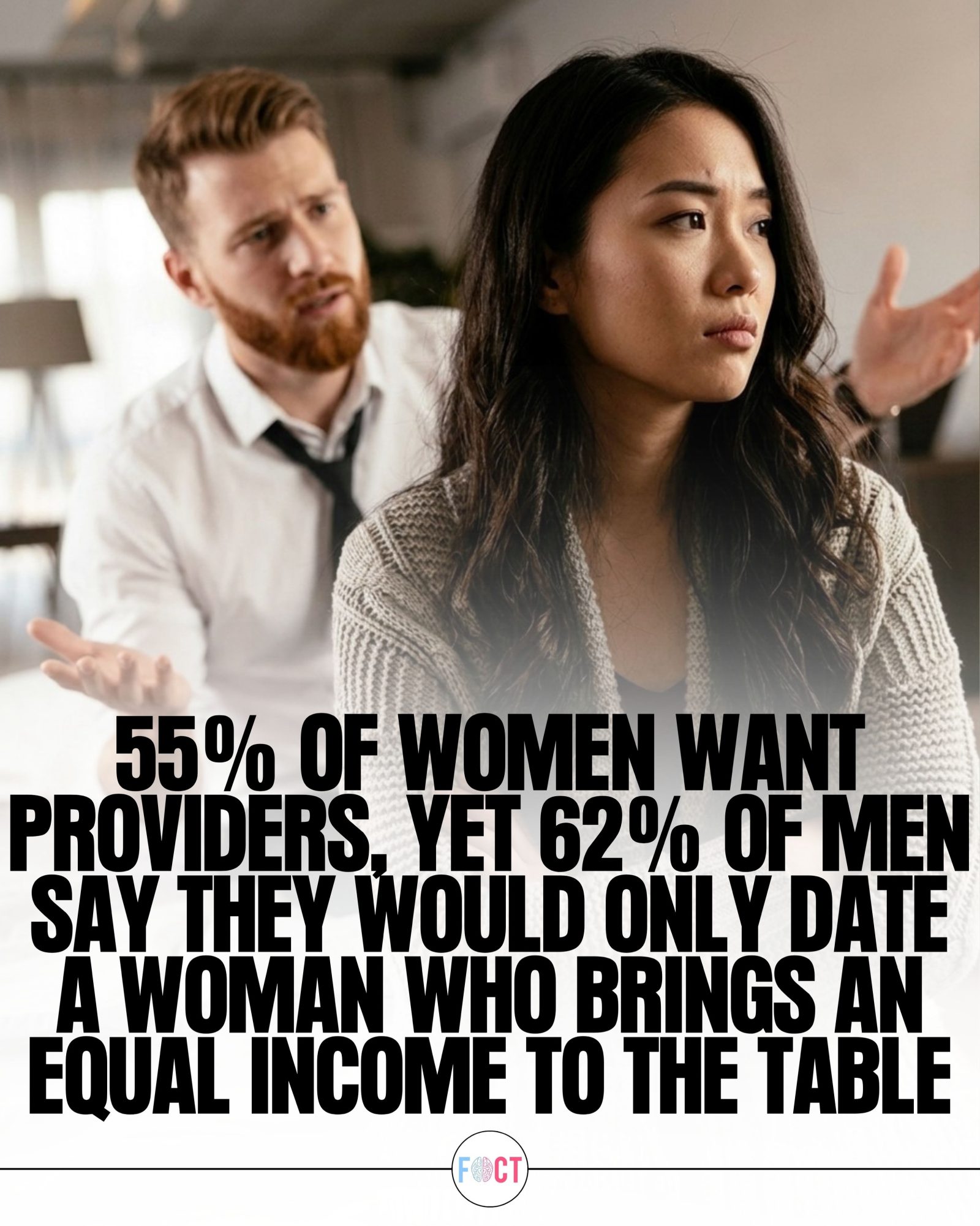
The modern dating scene is evolving, driven by economic pressures and shifting gender roles. A recent survey highlights a notable disparity in dating preferences: 55% of women prefer a partner who can provide financial stability, while 62% of men seek a partner with an equal income. This data, presented by FOCt, underlines a growing mismatch in what men and women look for in relationships.
Why This Matters
Understanding these dynamics is crucial as they impact relationship satisfaction and longevity. In today’s society, financial stability and compatibility have become pivotal factors in romantic relationships. As living costs rise and dual-income households become more common, the financial dynamics within a relationship can significantly influence its success. This shift reflects broader societal changes and economic realities that are reshaping how people approach dating and long-term partnerships.
The Growing Mismatch in Dating Expectations
The Desire for Financial Providers
For many women, financial stability is a key factor when considering a romantic partner. The survey indicates that 55% of women prefer a partner who can provide financial security. This preference can be attributed to several factors, including the desire for a stable and secure future, as well as the practical considerations of shared financial responsibilities. The economic pressures of modern life, including housing costs, healthcare, and other living expenses, can make financial stability a crucial element in a relationship.
The Preference for Income Equality
On the other hand, 62% of men surveyed said they would only date a woman with an equal income. This preference for income equality can be seen as a reflection of changing gender roles and the increasing number of dual-income households. Men are increasingly looking for partners who can contribute equally to the financial well-being of the relationship, which can lead to a more balanced dynamic and shared decision-making.
The Role of Economic Pressures
Rising Living Costs
One of the primary drivers behind these changing expectations is the rise in living costs. Housing, food, healthcare, and other essentials have all become more expensive, making financial stability a critical factor in relationship decisions. For many, the ability to provide or contribute equally to these costs can determine relationship satisfaction and longevity.
Evolving Gender Roles
Economic realities are not the only factors influencing these trends. Evolving gender roles are also reshaping relationship dynamics. Women are increasingly entering the workforce and achieving financial independence, which is contributing to the preference for providers. Meanwhile, men are also seeking partners who can offer financial stability, reflecting a shift in traditional gender roles and expectations.
Practical Tips for Navigating Financial Dynamics in Relationships
Navigating financial dynamics in a relationship requires open communication, mutual respect, and a shared vision for the future. Here are some practical tips for handling financial compatibility in relationships:
Open Communication
The foundation of any successful relationship is open and honest communication. Discussing financial goals, expectations, and responsibilities early on can help prevent misunderstandings and conflicts down the line. This includes talking about short-term financial needs as well as long-term financial goals, such as saving for a home or retirement.
Shared Financial Goals
Setting shared financial goals can help ensure that both partners are aligned in their financial aspirations. This can include creating a budget, saving for a shared future, and making joint financial decisions. Working towards common financial goals can strengthen the relationship and enhance financial stability.
Financial Transparency
Financial transparency is key to building trust in a relationship. Both partners should be open about their financial situation, including income, expenses, and debts. This transparency can help avoid misunderstandings and ensure that both partners are on the same page when it comes to financial responsibilities.
Mutual Respect
Mutual respect for each other’s financial contributions and decisions is essential. Whether one partner is the primary provider or both contribute equally, respecting each other’s financial roles and decisions can foster a healthier and more balanced relationship.
Important Takeaways
Financial Compatibility is Essential
Financial compatibility is a crucial factor in the success of modern relationships. As living costs rise and dual-income households become more common, the financial dynamics within a relationship can significantly impact its success. Understanding and addressing these dynamics can help couples build stronger and more fulfilling relationships.
Open Communication and Shared Goals
Open communication and shared financial goals are essential for navigating financial dynamics in a relationship. Both partners should be on the same page when it comes to financial responsibilities and decisions, and work together to achieve their shared goals.
Conclusion
The data presented by FOCt highlights a growing mismatch in dating preferences, with 55% of women preferring financial providers and 62% of men seeking partners with equal income. This shift reflects broader societal changes and economic realities that are reshaping how people approach dating and long-term partnerships.
Understanding these dynamics and how to navigate financial compatibility in relationships is crucial for building strong and fulfilling relationships. By fostering open communication, setting shared financial goals, and respecting each other’s financial contributions, couples can navigate the complexities of modern relationships and build a stable and secure future together.
Watch the Reel
Questions readers ask
Why do 55% of women prioritize financial stability in a partner?
Women's preference for financial stability in a partner is influenced by the economic realities of today, including rising living costs and the desire for security. This trend reflects a practical approach to relationships, where financial security is seen as a crucial factor in long-term partnership.
What does it mean that 62% of men seek partners with equal income?
This preference indicates a shift in traditional gender roles. Modern men are increasingly looking for partners who can contribute equally to the household income, reflecting a desire for more balanced and equitable relationships. This also aligns with the rise of dual-income households and the emphasis on financial compatibility.
How do these preferences impact modern dating trends in 2023?
These preferences are reshaping modern dating dynamics by influencing what individuals look for in potential partners. The evolving preferences are encouraging open conversations about financial expectations and roles, making them an essential aspect of the early stages of dating and long-term planning.
What are the implications of these dating survey findings on relationship dynamics?
The findings suggest a growing mismatch in expectations between men and women, which can impact relationship satisfaction and longevity. Couples may need to navigate these differing priorities by having open conversations about financial goals, stability, and contribution to the relationship.
How do economic realities influence women's and men's dating preferences?
Economic realities play a significant role in shaping dating preferences. Women are increasingly seeking financial stability due to rising living costs and the need for security, while men are looking for equal income partners because of the growing norm of dual-income households. These factors are reshaping how individuals approach and prioritize in their relationships.
What does 'women want providers' mean in the context of modern dating?
The phrase 'women want providers' refers to the trend where a significant portion of women prioritize partners who can offer financial stability. This preference is driven by practical considerations such as the desire for security and the ability to manage financial responsibilities together.
Why do men seek equal income partners in modern dating?
Men seeking equal income partners in modern dating reflects a shift in traditional gender roles. This preference is driven by a desire for balanced and equitable relationships, where both partners contribute financially to the household. It also aligns with the increasing prevalence of dual-income households and the importance of financial compatibility in long-term relationships.
Related deep dives
Similar reads based on topic and creator.




Recent articles
Fresh deep dives from the latest Reels we unpacked.




Comments
Be the first to comment.