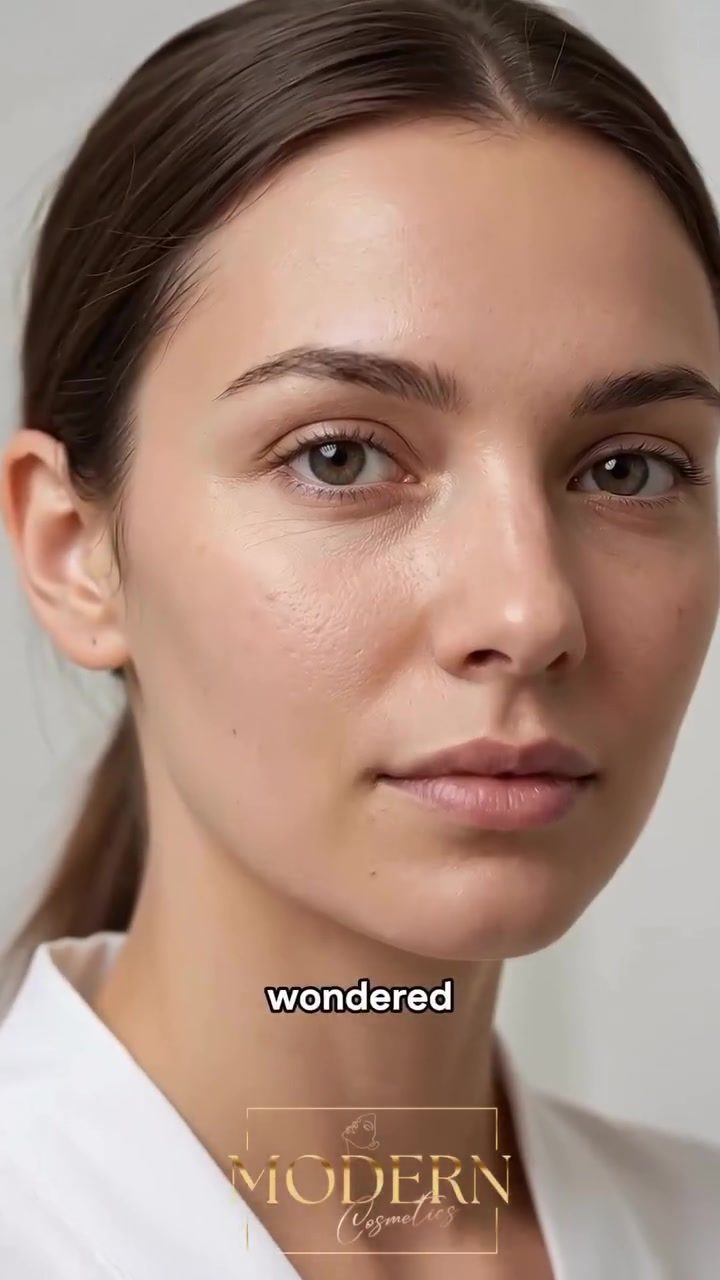
Understanding the Differences Between Fine Lines and Wrinkles
Fine lines and wrinkles are common concerns when it comes to skin aging, and while they might look similar, they are distinct features with different causes and characteristics. Understanding these differences will help in effectively addressing them.
Why This Matters
Knowing the distinction between fine lines and wrinkles is crucial for selecting the right skincare products and treatments. Each type of line or fold requires a specific approach to minimize their appearance and improve overall skin health.
Main Discussion
Characteristics of Fine Lines
Fine lines are small, shallow creases that often appear as the earliest visible signs of skin aging. They can become more noticeable with facial movements, such as smiling or squinting, and are often exacerbated by dehydration, sun exposure, and the natural changes in the skin over time. Fine lines are more superficial and tend to be less noticeable than wrinkles. They typically form in areas where the skin is thin and delicate, such as around the eyes and lips.
Characteristics of Wrinkles
Wrinkles, on the other hand, are deeper folds that develop as the skin's collagen, elastin, and natural support gradually decline with age. These factors are influenced by repeated facial expressions, environmental factors like sun damage, and genetic predispositions. Wrinkles are more pronounced and noticeable, often appearing in areas with more significant skin movement, such as the forehead, around the eyes, and along the cheeks.
The Role of Elastin and Collagen
Elastin and collagen are essential proteins that provide structure and elasticity to the skin. As we age, the production of these proteins decreases, leading to a gradual decline in skin support. This loss of elasticity and support contributes to the formation of both fine lines and wrinkles, but to different extents. Fine lines are more about superficial loss, while wrinkles reflect deeper structural changes.
Progression of Skin Aging
It's important to note that skin aging is a progressive process. Fine lines often precede wrinkles and can deepen into wrinkles over time if not properly addressed. This progression is influenced by various factors, including lifestyle habits, environmental exposure, and genetic makeup. Understanding this progression helps in developing a comprehensive skincare routine that targets both fine lines and wrinkles at different stages of their development.
Practical Tips
Prevention and Early Intervention
Preventing fine lines and wrinkles starts with a proactive skincare routine. Here are some practical tips:
- Sun Protection: Use a broad-spectrum sunscreen with at least SPF 30 daily to protect your skin from UV damage.
- Hydration: Keep your skin hydrated by drinking plenty of water and using moisturizers.
- Gentle Cleansing: Use a gentle cleanser to avoid stripping your skin of its natural oils.
- Nourishing Creams: Incorporate creams or serums that contain antioxidants, vitamins, and peptides to support skin health and elasticity.
Targeted Treatments
For more targeted treatments, consider the following options:
- Retinols and Retinoids: These vitamin A derivatives are effective in reducing the appearance of fine lines and wrinkles by promoting collagen production.
- Hyaluronic Acid: Known for its hydrating properties, hyaluronic acid can plump up the skin, making fine lines less noticeable.
- Vitamin C: This powerful antioxidant helps brighten the skin and boost collagen production, aiding in the prevention and reduction of wrinkles.
Professional Treatments
For more advanced treatments, consider consulting a skincare professional. Options include:
- Chemical Peels: These treatments exfoliate the skin, promoting cell turnover and collagen production.
- Microdermabrasion: This procedure gently exfoliates the skin, improving its texture and tone.
- Laser Treatments: Laser therapy can stimulate collagen production and tighten the skin, reducing the appearance of wrinkles.
Important Takeaways
No One-Size-Fits-All Approach
Every person’s skin ages differently, and there is no one-size-fits-all approach to skincare. Factors like genetics, environmental exposure, and lifestyle habits all play a role in how your skin ages. Understanding your skin's unique needs will help you develop a personalized skincare routine that addresses both fine lines and wrinkles effectively.
The Importance of a Holistic Approach
Healthy skin is about more than what you see on the surface. A holistic approach to skincare involves a combination of preventive measures, targeted treatments, and professional interventions. By addressing both the visible signs and the underlying causes of skin aging, you can achieve a more youthful and radiant complexion.
Conclusion
Understanding the differences between fine lines and wrinkles is the first step in effectively addressing these common skin concerns. By incorporating a comprehensive skincare routine that includes prevention, targeted treatments, and professional interventions, you can minimize the appearance of fine lines and wrinkles and promote overall skin health.
Watch the Reel
Questions readers ask
What are the primary causes of fine lines and deeper wrinkles?
Fine lines are primarily caused by repeated facial expressions, loss of skin hydration, and early signs of collagen depletion. Deeper wrinkles, on the other hand, are typically the result of prolonged sun exposure, significant collagen loss, and the natural aging process, which includes a decrease in skin elasticity and volume.
How do fine lines differ from deeper wrinkles?
Fine lines are smaller, more shallow, and often appear as the initial signs of skin aging, they are more likely to be caused by skin dehydration and can often be addressed with hydration-enhancing products. Deeper wrinkles are larger, more pronounced creases, often caused by years of sun exposure, aging which include collagen and elastin loss, and volume reduction, and therefore require more intensive treatments.
What are some effective anti-aging skincare treatments for fine lines?
For fine lines, focus on products that enhance hydration, such as moisturizers with hyaluronic acid. Eye creams designed for fine lines can also be beneficial, as well as serums that contain peptides or retinol to promote collagen production and improve skin texture.
What cosmetic products are recommended for treating deeper wrinkles?
Deeper wrinkles often require products that support collagen and elastin production. Look for creams and serums containing ingredients like retinol, vitamin C, and peptides. Additionally, treatments like chemical peels, laser therapy, or injectable fillers might be recommended by a skincare professional to address more severe cases.
Can the same skincare products be used for both fine lines and deeper wrinkles?
While some products may offer benefits for both fine lines and deeper wrinkles, they often require different approaches. Fine lines typically need hydration and initial collagen support, while deeper wrinkles may require more robust collagen and elastin support, or even professional treatments. It's best to tailor your skincare routine to address each concern specifically.
How important is hydration in preventing and treating wrinkles?
Hydration is crucial in both preventing and treating wrinkles. Well-hydrated skin appears plumper and smoother, reducing the visibility of fine lines. For deeper wrinkles, maintaining hydration can help improve skin elasticity and support collagen production, making it an essential part of any anti-aging skincare routine.
What role do facial movements play in the formation of fine lines and wrinkles?
Facial movements, such as smiling, squinting, or frowning, contribute to the formation of fine lines and wrinkles by repeatedly contracting the same facial muscles. Over time, these movements can lead to the development of permanent creases. Using products that support collagen and elastin, as well as practicing facial exercises, can help minimize the appearance of these lines and folds.
Recent articles
Fresh deep dives from the latest Reels we unpacked.




Comments
Be the first to comment.