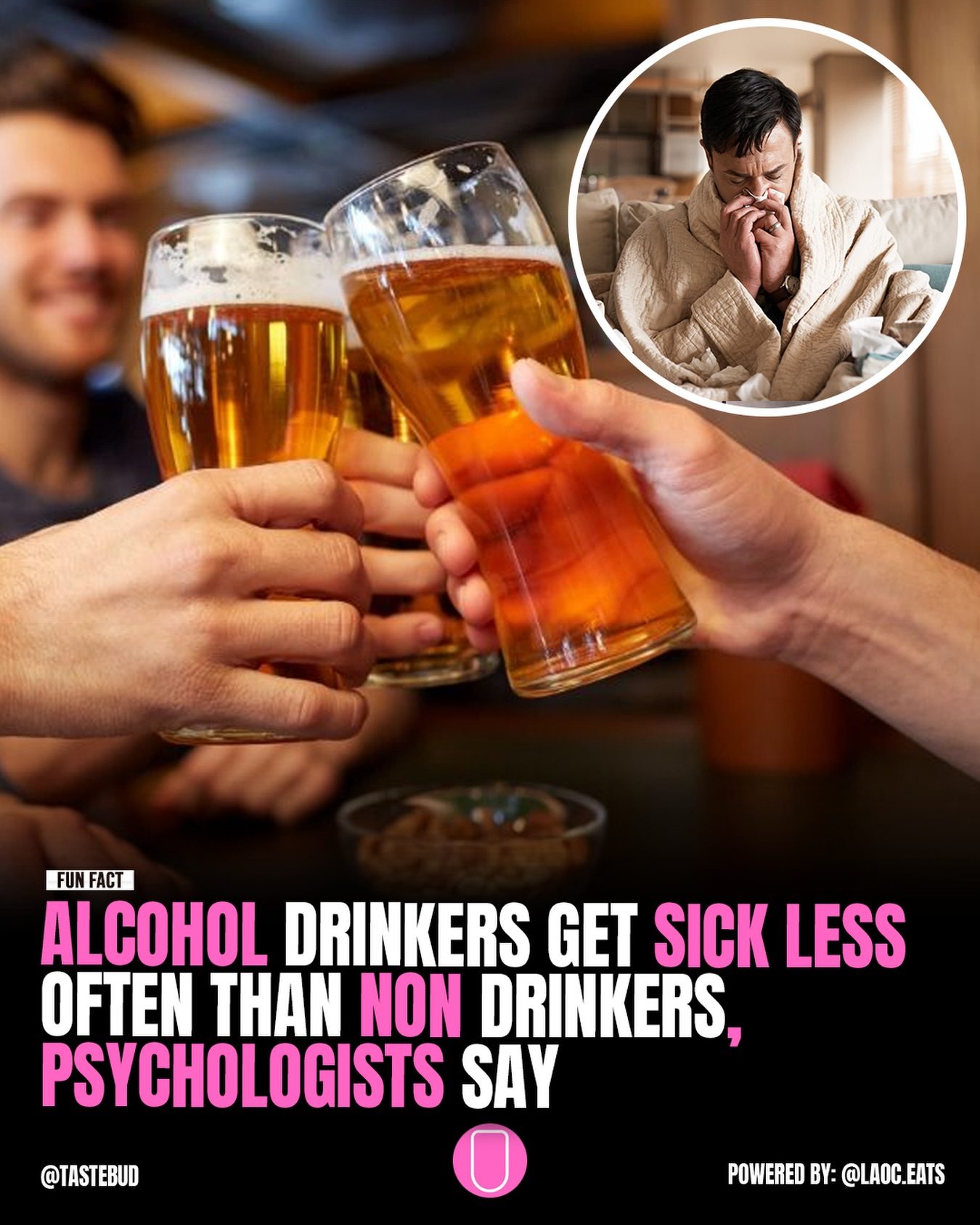
Moderate alcohol consumption has been linked to various health benefits and risks. Recent studies have sparked interest by suggesting that moderate drinkers may experience fewer illnesses than non-drinkers. Let's delve into this topic, exploring the potential reasons behind this phenomenon and the importance of understanding the broader context of alcohol and health.
Context: Why this matters
Understanding the relationship between alcohol consumption and health is crucial for making informed decisions about lifestyle choices. While moderate drinking has been associated with potential benefits, it is equally important to recognize the serious risks of excessive alcohol use. This discussion aims to provide a balanced view, emphasizing the need for a nuanced approach to alcohol consumption.
The surprising link: Moderate drinkers and illness
The research findings
Recent reports highlight an intriguing finding: people who drink alcohol in moderation may report getting sick less often than those who abstain. This observation has piqued the interest of researchers and health experts alike. The studies suggest that moderate drinkers exhibit lower instances of common illnesses, a pattern that warrants closer examination.
Potential explanations
Several factors could contribute to this observed pattern. Researchers believe that lifestyle factors, such as stress levels, social habits, and overall well-being, may play a significant role. Moderate drinkers often engage in social activities, which can positively impact mental health and reduce stress. Additionally, the social connections and support systems that come with social drinking can enhance overall well-being, potentially boosting immunity and resilience to illness.
Moreover, the social aspect of drinking can encourage healthier habits. People who drink moderately may also be more likely to engage in regular exercise, maintain a balanced diet, and prioritize self-care. These healthy behaviors can contribute to a stronger immune system and better overall health, leading to fewer illnesses.
Alcohol and stress levels
Stress is a known factor in weakening the immune system and making individuals more susceptible to illness. Moderate alcohol consumption, when part of a relaxed social setting, can help reduce stress levels. Sharing a drink with friends or colleagues in a relaxed environment can foster a sense of camaraderie and social support, which are essential for mental well-being.
Social habits and overall well-being
Social drinking can also have a positive impact on mental health. Engaging in social activities with friends or family can reduce feelings of loneliness and isolation, which are known to negatively affect health. The sense of community and connection that comes from social drinking can enhance overall well-being, making individuals more resilient to stress and illness.
The risks of excessive drinking
While moderate alcohol consumption may have some benefits, it is crucial to emphasize the serious risks associated with excessive drinking. Health experts continue to warn that excessive alcohol use carries significant health risks, including liver disease, heart problems, and increased susceptibility to various cancers. Alcohol abuse can also lead to mental health issues, such as depression and anxiety, and can negatively impact personal and professional relationships.
Excessive drinking should never be viewed as a health strategy. The potential benefits of moderate alcohol consumption should not overshadow the well-documented risks of overindulgence. It is essential to approach alcohol consumption with caution and moderation, considering the broader context of overall health and well-being.
Practical tips for responsible drinking
-
Know your limits: Understand what constitutes moderate drinking. For most adults, this means up to one drink per day for women and up to two drinks per day for men.
-
Stay hydrated: Alternate alcoholic beverages with non-alcoholic drinks, such as water or sparkling water, to stay hydrated and reduce the overall alcohol intake.
-
Eat before and during: Consuming food while drinking can slow down the absorption of alcohol and help maintain stable blood sugar levels, reducing the risk of alcohol-related health issues.
-
Monitor your mood: Pay attention to how alcohol affects your mood and behavior. If you notice that alcohol is increasing stress or negatively impacting your mental health, it may be time to reassess your drinking habits.
-
Prioritize social connections: Focus on the social aspects of drinking rather than the alcohol itself. Engage in activities that foster a sense of community and connection, such as sharing a meal with friends or participating in group activities.
-
Seek support if needed: If you struggle with alcohol consumption, do not hesitate to seek professional help. There are numerous resources available to support individuals in managing their alcohol intake and maintaining overall well-being.
Important takeaways
The relationship between alcohol consumption and health is complex and nuanced. While moderate drinking may be associated with certain benefits, such as reduced stress levels and enhanced social connections, it is essential to recognize the significant risks of excessive alcohol use. The potential benefits of moderate alcohol consumption should not overshadow the well-documented risks of overindulgence.
It is crucial to approach alcohol consumption with caution and moderation, considering the broader context of overall health and well-being. By understanding the factors that contribute to the observed patterns and making informed decisions about alcohol intake, individuals can promote their health and well-being while enjoying the social aspects of drinking responsibly.
Watch the Reel
Questions readers ask
What is considered moderate alcohol consumption?
Moderate alcohol consumption is typically defined as up to 1 drink per day for women and up to 2 drinks per day for men. A standard drink is roughly equivalent to 14 grams of pure alcohol, which is found in 12 ounces of beer, 5 ounces of wine, or 1.5 ounces of distilled spirits.
Why might moderate drinkers experience fewer illnesses than non-drinkers?
Recent research suggests that moderate alcohol consumption may boost the immune system and reduce inflammation, potentially making moderate drinkers less susceptible to certain illnesses. However, the specific mechanisms are still being explored by psychologists and health researchers.
What are some potential health benefits associated with moderate drinking?
Some studies indicate that moderate drinking may be linked to a lower risk of heart disease, reduced risk of type 2 diabetes, and improved cognitive function. It may also contribute to a longer lifespan in some situations.
What are the risks of excessive alcohol consumption?
Excessive alcohol consumption can lead to a range of health problems, including liver disease, increased risk of certain cancers, mental health issues, and even death. It is crucial to be aware of these risks and to consume alcohol responsibly.
How does the frequency of drinking impact overall health?
The frequency of drinking, in addition to the amount, plays a significant role in overall health. Regular but moderate alcohol consumption may have different effects compared to binge drinking or infrequent heavy drinking. It is important to note that regular, moderate drinking does not guarantee fewer illnesses, but rather may be associated with it in some studies.
What does recent alcohol research suggest about drinking habits and illness frequency?
Recent studies indicate that moderate drinkers may report fewer illnesses compared to non-drinkers. However, these findings do not imply a causal relationship. Further research is needed to determine the specific factors that contribute to this observation.
Why is it important to consider the broader context of alcohol and health?
Understanding the broader context of alcohol and health is essential for making informed decisions. This means recognizing both the potential benefits and the serious risks associated with alcohol consumption, and considering individual factors such as age, health status, and family history.
Related deep dives
Similar reads based on topic and creator.




Recent articles
Fresh deep dives from the latest Reels we unpacked.




Comments
Be the first to comment.