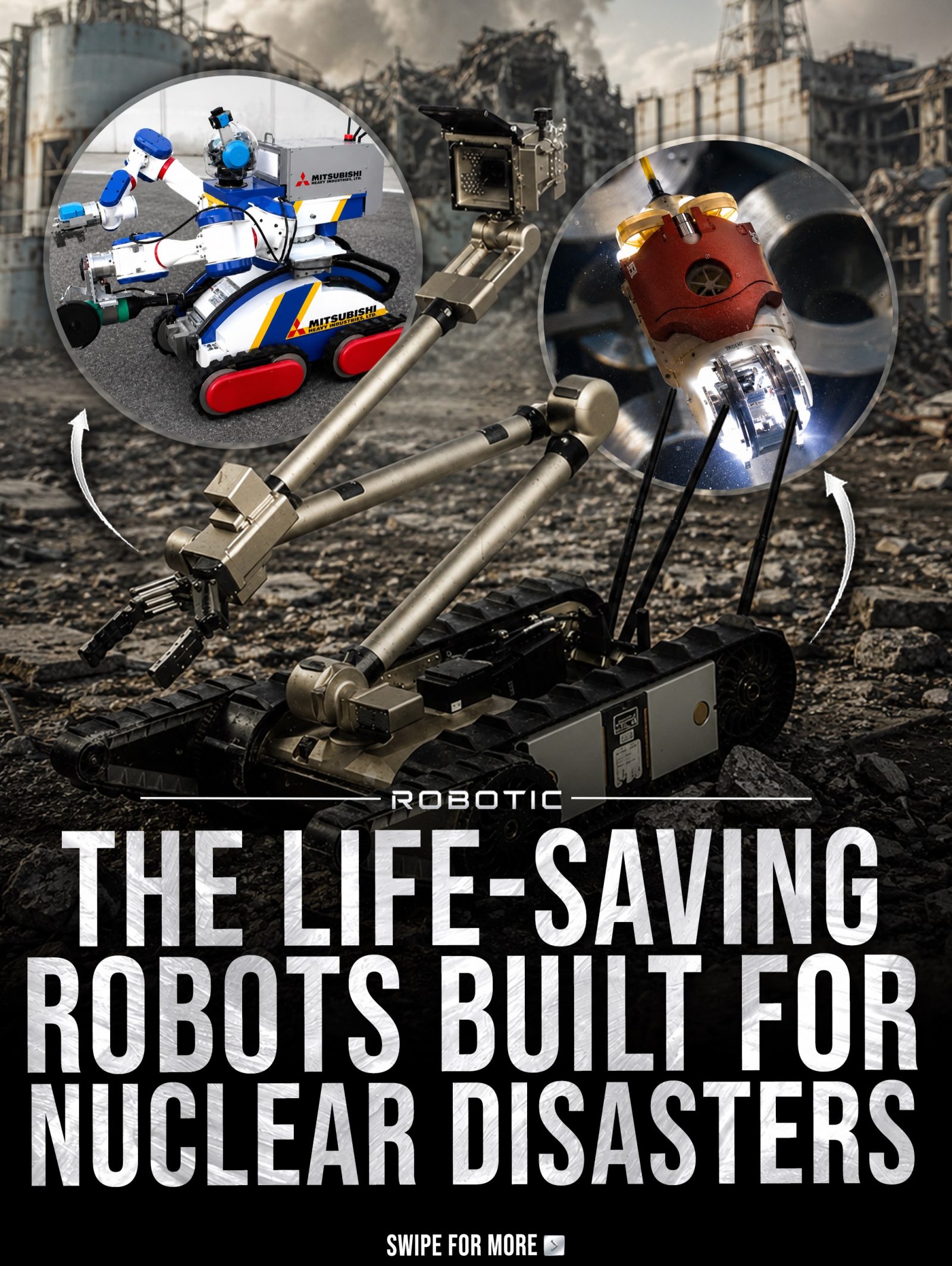
Life-Saving Robots in Nuclear Disaster Cleanup
Nuclear disasters present unique challenges, particularly the extreme radiation levels that make certain areas inaccessible to human responders. This is where specialized robots, designed for nuclear disaster cleanup, come into play. These remarkable machines have proven invaluable in scenarios like the 2011 Fukushima nuclear disaster, performing tasks that would otherwise be impossible for humans.
Why This Matters
Robots have become indispensable in nuclear disaster response due to their ability to navigate hazardous environments safely. They provide engineers with critical data without risking human lives. As nuclear cleanup operations can span years or even decades, these robots continue to be essential tools in disaster management.
The Role of Robots in Nuclear Disaster Management
Exploring Damaged Reactors
Following the Fukushima nuclear disaster, robots like the 'Little Sunfish' and 'Telesco' were deployed to explore and inspect damaged reactors. These robots were specifically engineered to collect vital information from areas with extreme radiation levels. For instance, the 'Little Sunfish' captured the first close-up images of melted nuclear fuel inside the Fukushima reactors. Its design allows it to navigate through flooded corridors and tight spaces, making it ideal for such missions.
Little Sunfish
- Purpose: Explore flooded reactor vessels and capture close-up images of melted nuclear fuel.
- Capabilities: Navigate flooded environments and tight spaces, equipped with advanced imaging technology.
Telesco
- Purpose: Retrieves tiny samples of melted nuclear fuel.
- Capabilities: Precision sample collection in highly radioactive environments.
Collecting Radioactive Samples
The 'Telesco' robot is another key player in nuclear disaster cleanup. Its primary function is to retrieve tiny samples of melted nuclear fuel from hazardous areas. This task is crucial for understanding the extent of the damage and planning further cleanup strategies. The ability of these robots to collect such samples without endangering human lives is a testament to their significance in disaster response.
Removing Debris and Capturing Critical Images
Robots like the 'PackBot' and 'MEISTeR' have been deployed to remove debris from damaged reactors and capture critical images. These robots are equipped with specialized tools and cameras that allow them to navigate through rubble and capture high-resolution images of the damaged areas. This information is vital for engineers and scientists to assess the damage and plan the next steps in the cleanup process.
PackBot
- Purpose: Remove debris and capture critical images from damaged reactors.
- Capabilities: Equipped with tools for debris removal and high-resolution cameras.
MEISTeR
- Purpose: Inspect damaged reactors and collect vital information.
- Capabilities: Advanced sensors and imaging technology for detailed inspections.
Mitsubishi Robots in Nuclear Cleanup
Mitsubishi has been at the forefront of developing robots for nuclear disaster response. Their robotic systems, including the 'Little Sunfish' and 'Telesco,' have played crucial roles in the cleanup and decommissioning of nuclear sites. These robots are engineered to withstand extreme radiation levels and perform tasks that would be life-threatening for humans. Mitsubishi's contributions highlight the importance of industrial robotics in disaster management.
Practical Tips for Using Robots in Nuclear Disaster Cleanup
When deploying robots in nuclear disaster cleanup, several practical considerations are essential:
- Pre-Deployment Preparation: Ensure that the robots are thoroughly tested and calibrated before deployment. This includes checking their sensors, cameras, and communication systems.
- Training and Simulation: Conduct training sessions and simulations to familiarize the operators with the robots' capabilities and limitations. This helps in making quick decisions during emergencies.
- Real-Time Monitoring: Use advanced communication systems to monitor the robots in real-time. This ensures that any issues can be addressed promptly, and the robots can be controlled remotely if necessary.
- Data Management: Implement robust data management systems to store and analyze the information collected by the robots. This data is crucial for planning and executing further cleanup operations.
- Maintenance and Repair: Regularly maintain and repair the robots to ensure their longevity and reliability. Given the harsh conditions they operate in, regular checks are essential to keep them functional.
Important Takeaways
- Essential Tools: Robots have become essential tools in nuclear disaster management, providing vital information while keeping humans out of life-threatening environments.
- Diverse Capabilities: Different robots serve diverse purposes, from exploring flooded reactors and retrieving samples to capturing critical images and removing debris.
- Mitsubishi's Contribution: Mitsubishi's robots, such as 'Little Sunfish' and 'Telesco,' have been instrumental in the cleanup and decommissioning of nuclear sites.
- Safety and Efficiency: The use of robots in nuclear disaster cleanup ensures safety and efficiency, making it possible to perform tasks that would otherwise be impossible for humans.
Conclusion
The deployment of specialized robots in nuclear disaster cleanup has revolutionized disaster response. These life-saving machines, built for extreme conditions, provide engineers with critical data while protecting human lives. As technology continues to advance, the role of robots in disaster management will only become more significant. Whether it's exploring damaged reactors, retrieving radioactive samples, or capturing critical images, robots are indispensable tools in nuclear disaster response.
Watch the Reel
Questions readers ask
How do Mitsubishi robots assist in nuclear disaster cleanup?
Mitsubishi robots like the 'Little Sunfish' and 'Telesco' are specifically designed to enter highly radioactive areas that are unsafe for humans. They collect essential data and samples, providing crucial information for cleanup efforts and helping to mitigate risks for human responders.
What makes robots indispensable in nuclear disaster management?
Robots can operate in extreme environments where radiation levels are too high for humans. They can gather information and perform tasks safely and efficiently, which is vital for understanding the extent of the damage and planning effective cleanup strategies. They allow human workers to stay out of harm's way while still making progress in disaster recovery.
What specific challenges do robots like 'Little Sunfish' and 'Telesco' address in Fukushima?
These robots address the challenge of accessing areas with high radiation levels, which are extremely dangerous for human responders. By navigating these environments, they collect data and samples that are vital for assessing the damage and planning the cleanup process, which can last for many years.
Why are Mitsubishi robots crucial for Fukushima's long-term nuclear cleanup?
Mitsubishi robots are essential for long-term nuclear cleanup because they can operate continuously in hazardous environments without the need for breaks. This allows for consistent data collection and cleanup efforts, which is crucial since nuclear cleanup operations can take many years or even decades.
How do robots contribute to the safety of human responders in nuclear disasters?
Robots reduce the need for human responders to enter high-risk areas, thereby minimizing their exposure to radiation. By gathering necessary data and performing dangerous tasks, robots help ensure that human workers can focus on other critical aspects of the cleanup process safely.
What kinds of tasks can robots perform in nuclear disaster management?
Robots can handle a variety of tasks, including navigating through rubble, collecting environmental samples, measuring radiation levels, and even repairing damaged structures. These capabilities are crucial for assessing the situation and progressing the cleanup process in a structured and safe manner.
How do robots like 'Little Sunfish' operate in hazardous environments?
These robots are equipped with advanced sensors and remote control systems, allowing them to navigate through debris and high-radiation zones. They transmit data back to operators, who can then make informed decisions about the cleanup process while remaining in a safe location. This ensures that the most dangerous areas are still thoroughly explored and analyzed.
Related deep dives
Similar reads based on topic and creator.




Recent articles
Fresh deep dives from the latest Reels we unpacked.




Comments
Be the first to comment.