Robotic Assembly Innovations
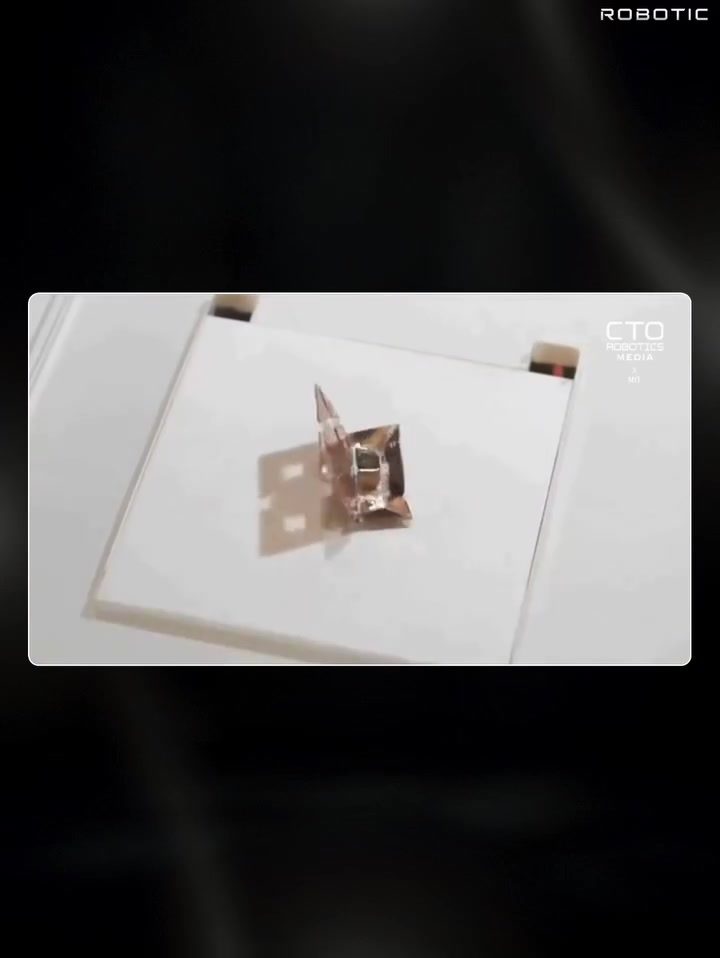
Robotic assembly processes are revolutionizing manufacturing by enhancing precision, efficiency, and versatility. Robots can now handle intricate tasks with remarkable accuracy, making them indispensable in various industries. This trend is exemplified by recent advancements from MIT CSAIL, which have developed a remarkable robot that begins as a flat sheet, folds itself into shape, and then disappears after completing its task.
Context
Innovations in robotic assembly are crucial in modern manufacturing. These advancements not only streamline production but also enable the creation of highly complex, small-scale devices. Understanding how these robotic components are assembled and integrated is essential for appreciating the potential of this technology.
Main Discussion
The Evolution of Robotic Assembly
Robotic assembly processes have evolved significantly over the years. Early robotic systems were primarily used for simple, repetitive tasks. However, modern robots, like those demonstrated by CTO Robotics Media, are capable of handling intricate tasks with a high degree of precision. These robots can manipulate metallic and plastic components, ensuring that each part is placed with exceptional accuracy. This level of precision is critical for the assembly of small, complex devices.
Self-Folding Robots: The Next Frontier
One of the most exciting developments in robotic assembly is the creation of self-folding robots by MIT CSAIL. These robots begin as flat plastic sheets that self-fold into shape when heated. This innovative design allows the robot to assume its operational form without the need for additional assembly.
Magnetic Field Propulsion
Once assembled, these self-folding robots move using an external magnetic field. This method of propulsion eliminates the need for onboard motors or batteries, making the robot lighter and more efficient. The ability to navigate confined spaces and carry small objects further enhances their utility in various applications, including medical procedures, environmental monitoring, and inspections where recovering the robot would be difficult or impossible.
Dissolvable Components
One of the most unique features of these self-folding robots is their ability to dissolve after completing their tasks. This capability is particularly valuable in medical procedures and environmental monitoring, where recovering the robot may not be feasible. By dissolving, these robots leave behind no environmental footprint, making them an eco-friendly solution for temporary tasks.
Practical Tips
When working with robotic assembly processes, it's essential to consider the following practical tips:
-
Precision Engineering: Ensure that the robotic components are engineered with high precision. This includes the design of the robotic arm and the components it handles. Precision engineering ensures that the final product meets the required specifications.
-
Integration of Materials: When assembling intricate devices, consider the integration of different materials, such as metallic and plastic components. Ensure that the robotic system is capable of handling these materials with the required accuracy.
-
Propulsion Methods: Explore different propulsion methods, such as magnetic fields, to enhance the efficiency and versatility of the robot. Magnetic field propulsion eliminates the need for onboard motors and batteries, making the robot more lightweight and efficient.
-
Dissolvable Components: Incorporate dissolvable components in your robotic designs, especially for applications where recovering the robot is not feasible. This ensures that the robot leaves behind no environmental footprint.
-
Training and Maintenance: Regular training and maintenance of robotic systems are crucial for their optimal performance. Ensure that the robotic components are well-maintained and that the operators are well-trained to handle any potential issues.
Important Takeaways
Robotic assembly processes are at the forefront of modern manufacturing, offering unparalleled precision and efficiency. The integration of different materials and the use of magnetic field propulsion are key factors in the success of these processes. Additionally, the development of self-folding, dissolvable robots by MIT CSAIL highlights the potential of robotic technology in various applications, from medical procedures to environmental monitoring.
Conclusion
The advancements in robotic assembly, as demonstrated by CTO Robotics Media and MIT CSAIL, showcase the incredible potential of this technology. From self-folding robots to dissolvable components, these innovations are paving the way for more efficient, precise, and eco-friendly manufacturing processes. As the technology continues to evolve, we can expect even more exciting developments in the field of robotic assembly.
Watch the Reel
Questions readers ask
How does the self-folding robot from MIT CSAIL work?
The self-folding robot starts as a flat sheet and is programmed to fold into a three-dimensional shape autonomously. It performs its designated tasks in this folded state and then self-destructs, leaving no trace behind.
What are the benefits of using self-disappearing plastics in robotics?
Self-disappearing plastics offer significant advantages in robotic assembly by eliminating waste and reducing the need for manual disassembly. They also enable the creation of minimalist structures, making robots lighter and more versatile.
What types of tasks can the self-folding robot from MIT perform?
The self-folding robot is designed to handle a variety of tasks, including precision manufacturing, complex assembly, and even biomedical applications. Its ability to transform and disappear makes it particularly useful in environments where minimal waste and cleanliness are crucial.
How does the self folding robot improve efficiency in manufacturing?
The self-folding robot enhances efficiency by streamlining assembly processes. It reduces the time and resources needed for manual intervention and significantly improves the precision and accuracy of manufacturing tasks.
What is the significance of the self-disappearing robot in modern industrial settings?
The self-disappearing robot represents a major advancement in industrial robotics. It enables the creation of more efficient and less wasteful manufacturing processes. The robot can complete tasks in environments where contamination or debris must be minimized, such as in medical or food production facilities.
What materials are used in the creation of the self-folding robot?
The self-folding robot is made from advanced materials that can fold into complex shapes and then self-disintegrate. These materials are designed to be lightweight, durable, and environmentally friendly.
What is the future of robotic assembly with MIT's innovations?
The future of robotic assembly is poised for significant growth with MIT's innovations. The self-folding and self-disappearing robot technologies are expected to lead to more efficient, precise, and versatile manufacturing processes, transforming various industries.
Related deep dives
Similar reads based on topic and creator.



Recent articles
Fresh deep dives from the latest Reels we unpacked.




Comments
Be the first to comment.