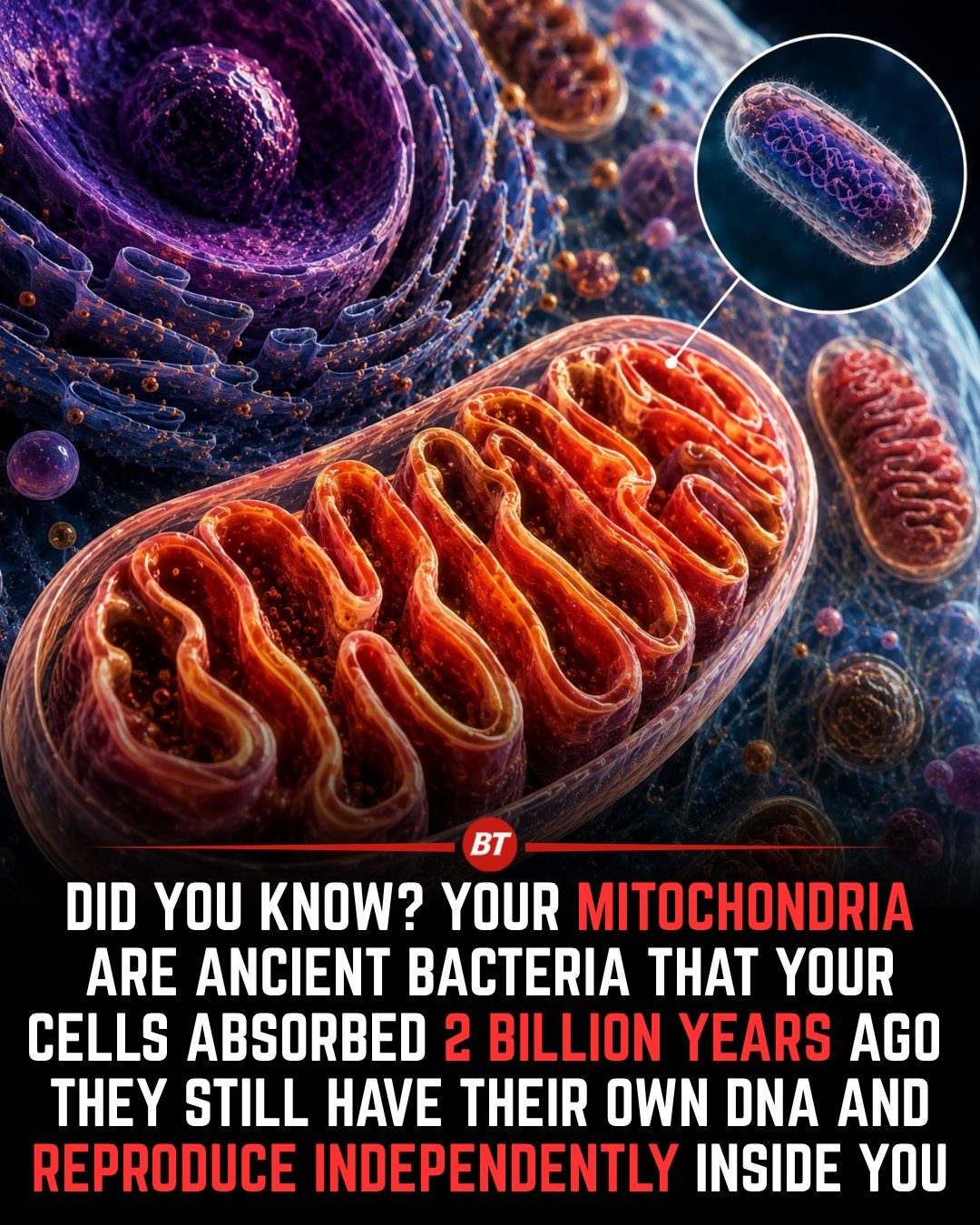
Mitochondria: Ancient Bacteria and the Powerhouses of Your Cells
Every cell in your body contains tiny, powerful structures called mitochondria. These organelles are often referred to as the "powerhouses" of the cell. They are responsible for producing most of the energy your cells need to function. The story behind these tiny power plants is fascinating and deeply intertwined with the evolution of life on Earth. According to the widely accepted endosymbiotic theory, the ancestors of mitochondria were once free-living bacteria that entered into a mutually beneficial relationship with early cells over 1.5–2 billion years ago.
Why This Matters
The endosymbiotic theory suggests that mitochondria were once independent bacteria that were absorbed by other cells. Over time, these bacteria evolved to become essential components of eukaryotic cells. This theory is not only a testament to the dynamic nature of evolution but also underscores the critical role mitochondria play in human health. Understanding the origins and functions of mitochondria provides valuable insights into cellular biology and evolutionary history.
Mitochondria: The Ancient Bacteria
One of the most remarkable aspects of mitochondria is that they retain their own small circular DNA, separate from the DNA stored in the cell's nucleus. This DNA, known as mitochondrial DNA (mtDNA), is a vestige of their ancient bacterial origins. Mitochondria also replicate independently by dividing in a process similar to bacteria and possess their own protein-making machinery. This independent replication is a key characteristic that sets them apart from other cell organelles.
The Endosymbiotic Theory
The endosymbiotic theory proposes that mitochondria and chloroplasts (the energy-producing organelles in plant cells) were once free-living bacteria that were absorbed by larger cells. Over time, these bacteria evolved to live symbiotically within the host cells, providing energy in exchange for protection and nutrients. This mutually beneficial relationship allowed both the host cells and the bacteria to thrive, leading to the complex cells that make up plants, animals, and humans today.
Evidence for the Theory
Several pieces of evidence support the endosymbiotic theory. Firstly, mitochondria have their own DNA, which is circular and similar to bacterial DNA. Secondly, mitochondria replicate independently through a process called binary fission, much like bacteria. Thirdly, they have their own protein-making machinery, including ribosomes and tRNA. These characteristics are unique to mitochondria and are not found in other cell organelles, further supporting the theory that they were once independent bacteria.
The Role of Mitochondria in Human Health
Mitochondria are essential for far more than energy production. They play key roles in various cellular processes, including metabolism, muscle performance, brain function, immune responses, and even the regulation of cell death. For instance, metabolic processes such as the citric acid cycle and oxidative phosphorylation occur within mitochondria, providing the energy needed for cellular activities.
Muscle Performance
In muscle cells, mitochondria are crucial for generating the ATP (adenosine triphosphate) needed for muscle contractions. The efficiency of muscle performance is directly linked to the health and function of mitochondria. Defects in mitochondrial function can lead to muscle weakness and fatigue, as seen in conditions like mitochondrial myopathies.
Brain Function
Mitochondria are also abundant in the brain, where they support the high energy demands of neurons. Brain cells require a constant supply of energy to maintain their electrical activity and neurotransmitter release. Mitochondrial dysfunction has been linked to neurodegenerative diseases such as Alzheimer's and Parkinson's, highlighting the critical role of these organelles in brain health.
Immune Responses
Mitochondria are involved in the regulation of immune responses. They play a role in the production of reactive oxygen species (ROS), which are used by immune cells to fight infections. However, excessive ROS production can lead to oxidative stress and tissue damage, contributing to inflammatory diseases.
Regulation of Cell Death
Mitochondria are central to the regulation of programmed cell death, or apoptosis. They release proteins that trigger the apoptotic pathway, ensuring that damaged or unwanted cells are eliminated. This process is essential for maintaining tissue homeostasis and preventing the development of diseases such as cancer.
Practical Tips for Maintaining Mitochondrial Health
Maintaining mitochondrial health is crucial for overall well-being. Here are some practical tips to support the function of these ancient bacteria within your cells:
Nutrition
A balanced diet rich in antioxidants, vitamins, and minerals can support mitochondrial function. Foods like leafy greens, berries, nuts, and fatty fish are excellent sources of these nutrients. Antioxidants help mitigate oxidative stress, while vitamins and minerals are essential for various metabolic processes.
Exercise
Regular physical activity promotes mitochondrial biogenesis, the process by which new mitochondria are formed. High-intensity interval training (HIIT) and resistance training are particularly effective in enhancing mitochondrial function. Exercise also increases the efficiency of mitochondria, allowing them to produce more energy with less oxygen.
Stress Management
Chronic stress can negatively impact mitochondrial health. Techniques such as meditation, yoga, and deep-breathing exercises can help manage stress levels and support overall well-being. Adequate sleep is also crucial, as it allows the body to repair and regenerate, including mitochondrial function.
Avoiding Toxins
Exposure to environmental toxins can damage mitochondria. Limiting exposure to pollutants, chemicals, and excessive alcohol can help maintain mitochondrial health. Additionally, staying hydrated and avoiding smoking can support overall cellular function.
Important Takeaways
Mitochondria are not just the powerhouses of the cell; they are ancient bacteria that have evolved to become essential components of eukaryotic cells. Their unique characteristics, such as having their own DNA and replicating independently, provide valuable insights into the evolutionary history of life on Earth. Understanding the role of mitochondria in various cellular processes highlights their importance in human health and well-being.
Conclusion
Mitochondria are fascinating structures with a rich evolutionary history. Their origins as ancient bacteria and their critical roles in cellular function make them a subject of great interest in biology and medicine. By understanding the endosymbiotic theory and the functions of mitochondria, we gain a deeper appreciation for the complexity and interdependence of life on Earth.
Watch the Reel
Questions readers ask
What is the primary function of mitochondria in cells?
Mitochondria are primarily responsible for producing energy in the form of ATP, which fuels various cellular processes. This energy production is crucial for maintaining cellular health and functionality. Without mitochondria, cells would not be able to carry out essential tasks, making mitochondria vital for all organisms.
How do mitochondria replicate, and why is this significant?
Mitochondria replicate independently from the cell through a process called binary fission. This independent replication is a remnant of their ancient bacterial origins. It ensures that each new cell receives the necessary number of mitochondria to maintain energy production and cellular function.
What is the endosymbiont theory, and how does it relate to mitochondria?
The endosymbiont theory proposes that mitochondria were once free-living bacteria that were engulfed by other cells over 1.5–2 billion years ago, forming a mutually beneficial relationship. This theory explains why mitochondria possess their own DNA and replicate independently. The theory highlights how evolution has led to the integration of these ancient bacteria into essential cellular components.
Do plants have mitochondria, and if so, what is their role?
Yes, plant cells also contain mitochondria. In plants, mitochondria play a critical role in energy production, similar to their role in animal cells. They help convert nutrients from photosynthesis into usable energy. This process is vital for plant growth, development, and overall health. Additionally, plant mitochondria are involved in various other processes, including cell signaling and programmed cell death.
How does mitochondria's ancient bacterial origin impact their role in health and cellular biology?
The ancient origins of mitochondria influence their role in health and cellular biology in several ways. Their independent replication and unique DNA make them crucial for energy production and proper cellular function. Dysfunction in mitochondria has been linked to various diseases, including neurodegenerative disorders and metabolic syndromes, underscoring their importance to overall health.
Related deep dives
Similar reads based on topic and creator.




Recent articles
Fresh deep dives from the latest Reels we unpacked.




Comments
Be the first to comment.