Self-Driving Cars: The Revolution with Solid-State LiDAR
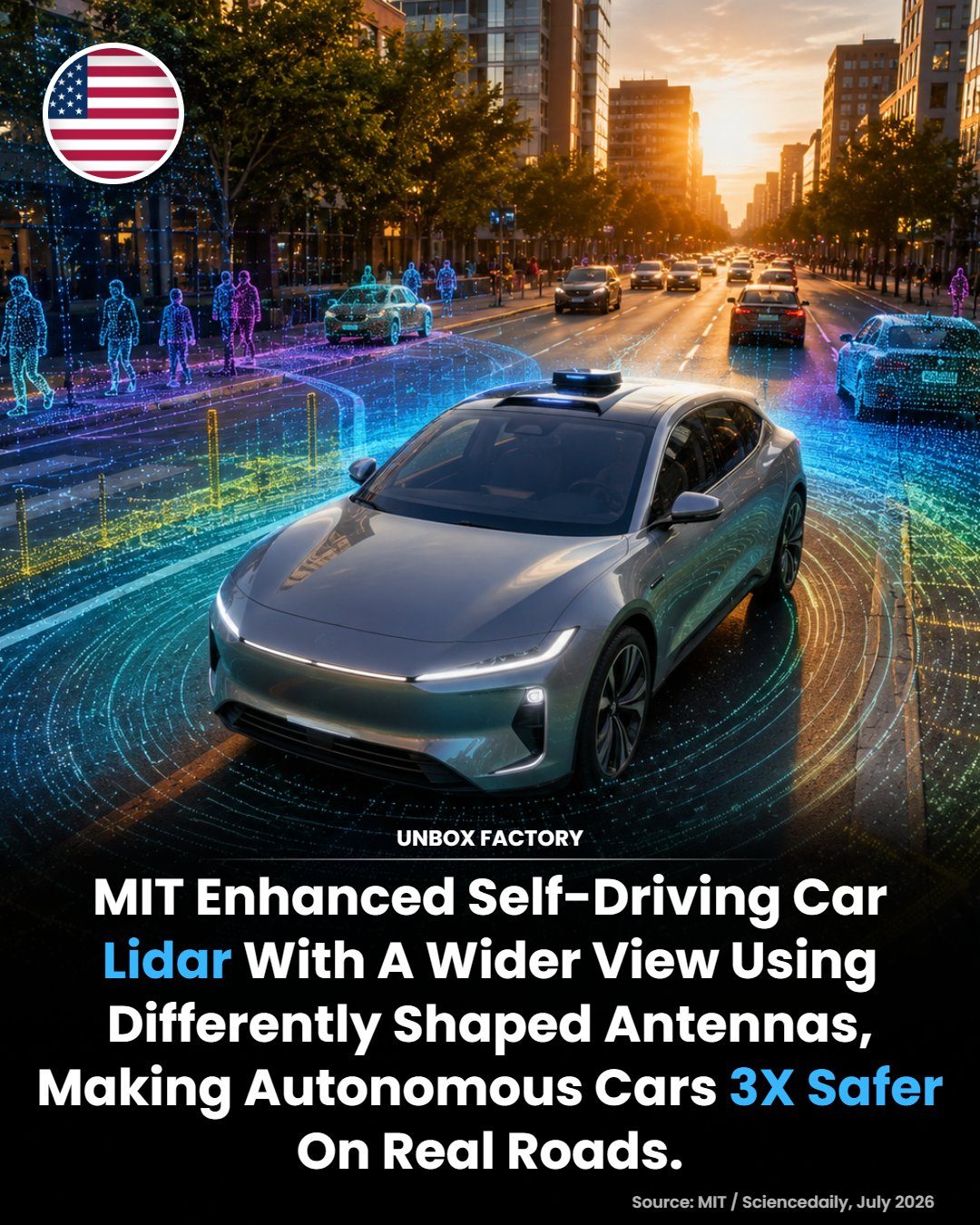
Self-driving cars are rapidly becoming a reality, and one of the most significant breakthroughs in this field comes from MIT researchers. They have developed a new solid-state LiDAR system that promises to revolutionize autonomous driving by making it up to three times safer.
Why This Matters
The advancement of LiDAR technology is a game-changer for the automotive industry. Traditional mechanical LiDAR systems, which use spinning components, have been the norm. However, these systems are prone to mechanical failures and have limitations in their field of view and manufacturing costs.
This new solid-state LiDAR system addresses these issues by dramatically widening a vehicle's field of view. This breakthrough not only improves obstacle detection but also reduces mechanical failures, lowers manufacturing costs, and makes autonomous driving significantly safer, especially in complex driving environments.
The Breakthrough: Solid-State LiDAR
Optical Antennas and Wider View
The new solid-state LiDAR system developed by MIT uses specially designed optical antennas instead of spinning mechanical components. This design dramatically widens the vehicle's field of view, allowing the car to detect obstacles more effectively. Unlike traditional mechanical LiDAR systems, which rely on rotating parts, this solid-state system is more robust and reliable.
Improved Obstacle Detection
Solid-state LiDAR's wider field of view enhances obstacle detection capabilities. This means the car can see more of its surroundings at any given moment, which is crucial for navigating complex environments and avoiding potential hazards. This improved detection capability is a significant step toward making autonomous driving safer and more reliable.
Reduced Mechanical Failures
By eliminating the need for spinning mechanical components, the solid-state LiDAR system reduces the risk of mechanical failures. Traditional LiDAR systems can suffer from wear and tear over time, leading to potential breakdowns. The new design is more durable and requires less maintenance, ensuring that the LiDAR system remains functional for longer periods.
Lower Manufacturing Costs
Another advantage of the solid-state LiDAR system is its potential to lower manufacturing costs. Traditional mechanical LiDAR systems are expensive to produce due to their complex moving parts. The solid-state design simplifies the manufacturing process, making it more cost-effective and accessible for wide-scale deployment in autonomous vehicles.
Safer Autonomous Driving
The combination of a wider field of view, improved obstacle detection, reduced mechanical failures, and lower manufacturing costs makes the new solid-state LiDAR system a key technology for the next generation of fully autonomous vehicles. It could make autonomous driving up to three times safer in complex driving environments, addressing one of the primary concerns holding back the widespread adoption of self-driving cars.
Practical Tips
For Manufacturers
- Incorporate Solid-State LiDAR: Consider integrating solid-state LiDAR systems into your autonomous vehicle designs to enhance safety and reliability.
- Optimize Antenna Design: Focus on the design of optical antennas to maximize the field of view and improve obstacle detection.
- Reduce Mechanical Complexity: Transition from mechanical to solid-state components to reduce failures and maintenance requirements.
For Consumers
- Stay Informed: Keep up with the latest advancements in autonomous vehicle technology to understand the benefits and safety features of new models.
- Look for Reliable Brands: Choose vehicles from manufacturers known for their commitment to safety and innovation in autonomous driving.
- Understand the Benefits: Educate yourself on the advantages of solid-state LiDAR, including improved safety and reduced mechanical failures.
Important Takeaways
- MIT's new solid-state LiDAR system uses optical antennas to widen the field of view, enhancing obstacle detection and safety.
- This technology reduces mechanical failures and lowers manufacturing costs, making autonomous driving more reliable and cost-effective.
- Solid-state LiDAR is a key technology for the next generation of fully autonomous vehicles, potentially making them up to three times safer in complex driving environments.
Conclusion
The development of solid-state LiDAR technology by MIT represents a significant leap forward in the field of autonomous driving. By addressing the limitations of traditional mechanical LiDAR systems, this new technology offers enhanced safety, reliability, and cost-effectiveness. As we move toward a future where self-driving cars are a common sight on our roads, advancements like this will be crucial in ensuring that autonomous vehicles are safe, efficient, and widely adopted.
Watch the Reel
Questions readers ask
What makes the new MIT LiDAR system different from traditional ones?
The new MIT LiDAR system is solid-state, unlike traditional mechanical LiDAR systems that use spinning components. This design change reduces mechanical failures and widens the vehicle's field of view, improving obstacle detection and overall safety.
How does the wider field of view in MIT's LiDAR system enhance safety in self-driving cars?
A wider field of view allows the self-driving car to detect obstacles more effectively, especially in complex environments. This means the car can react more quickly to potential hazards, making autonomous driving up to three times safer.
What are the benefits of a solid-state LiDAR system for the automotive industry?
Solid-state LiDAR systems, like the one developed by MIT, offer several benefits. They are more reliable due to fewer moving parts, have a wider field of view, and are generally more cost-effective to manufacture, making them a significant advancement for the industry and consumers alike.
How does the new MIT LiDAR system address the limitations of traditional LiDAR technologies?
The new MIT LiDAR system addresses the limitations of traditional LiDAR by eliminating spinning components, which are prone to mechanical failures. It also provides a wider field of view, allowing for better obstacle detection and improved performance in complex driving situations.
Why is the cost reduction of LiDAR systems important for the future of autonomous vehicles?
Lowering the cost of LiDAR systems makes autonomous vehicles more affordable, which could accelerate their adoption. Additionally, cost-effective LiDAR systems allow for easier integration into a variety of vehicles, from consumer cars to commercial fleets, fostering wider implementation.
How does the new MIT LiDAR system improve obstacle detection in self-driving cars?
The solid-state LiDAR system developed by MIT enhances obstacle detection by providing a much wider field of view. This allows the autonomous vehicle to perceive its surroundings more comprehensively, making it more adept at recognizing and responding to potential obstacles in real-time.
Related deep dives
Similar reads based on topic and creator.


Recent articles
Fresh deep dives from the latest Reels we unpacked.




Comments
Be the first to comment.