Self-Healing Material
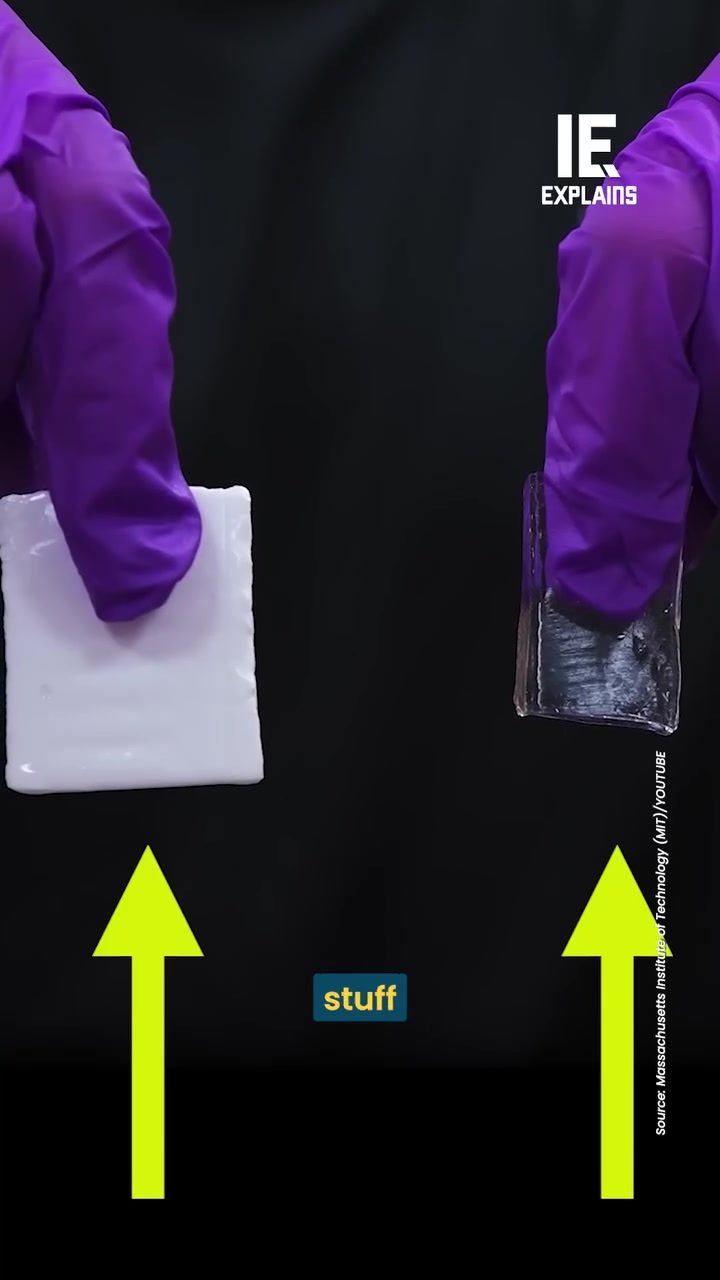
Hydrogels are versatile, Jell-O-like materials widely used in medical applications, such as patches, wound dressings, and adhesive pads for heart monitors. These materials are valued for their skin-friendly properties, primarily composed of up to 90% water. This high water content makes them soft, stretchy, and gentle on the skin. Despite their benefits, hydrogels have a significant drawback: they cannot breathe.
Wearing hydrogels for extended periods can lead to trapped sweat and moisture, causing skin irritation and weakening the adhesion of the material. This limitation was a known issue until a breakthrough by MIT engineers. They developed a new type of hydrogel that maintains its hydration while allowing air to pass through, addressing the breathing issue.
The key to this innovation is a process called viscolastic phase separation. Researchers mixed water-repelling silica aerogel particles, essentially tiny air bubbles, into the hydrogel. As the mixture stabilizes, the water molecules clump together, squeezing the silica particles into thin, connected tunnels. These channels create a network of air-permeable highways through the gel, allowing oxygen to diffuse through while retaining moisture.
The results of this engineering feat are impressive. The new hydrogel can be worn for up to 10 days without causing redness or blisters. Even after being stretched 10,000 times, it maintains nearly 95% of its breathability. This innovation opens up a range of possibilities for medical and wearable technology applications, including breathable bandages, face masks, contact lenses, implants, and other wearable devices that finally let your skin breathe comfortably.
Context / Why this matters
Self-healing materials have the potential to revolutionize various fields, particularly in medicine and wearable technologies. The ability of these materials to self-repair and remain breathable makes them ideal for long-term use. This breakthrough can significantly improve patient comfort and the effectiveness of medical treatments, potentially leading to faster healing and better outcomes.
The innovative hydrogel developed by MIT engineers addresses one of the most challenging problems in medical technology: maintaining a seal without causing skin irritation. The new hydrogel's breathability ensures that moisture and sweat do not accumulate under the material, which is crucial for preventing skin issues and maintaining the integrity of the seal.
Main discussion
The Science Behind the Self-Healing Material
The new hydrogel developed by MIT engineers incorporates viscolastic phase separation, a technique that involves mixing silica aerogel particles into the hydrogel. These particles are water-repelling and form tiny air bubbles within the material. As the mixture stabilizes, the water molecules coalesce, pushing the silica particles into thin, interconnected tunnels. This network of tunnels allows air to pass through the hydrogel without compromising its water retention properties.
The result is a hydrogel that can be worn for extended periods without causing skin irritation. This breakthrough is a significant advancement in medical technology, addressing a long-standing issue with traditional hydrogels.
Applications of Self-Healing Materials
The applications of self-healing materials are vast and varied. In the medical field, they can be used to create breathable bandages, face masks, and contact lenses that provide comfort and reduce the risk of skin irritation. Wearables that incorporate self-healing materials can be more durable and comfortable, improving user experience and long-term use.
The development of self-healing hydrogels opens up new possibilities for wearable technology and medical devices. The material's ability to self-repair and maintain breathability makes it ideal for applications where comfort and durability are critical. For example, breathable bandages and face masks can improve patient comfort and reduce the risk of skin irritation. Contact lenses that incorporate self-healing materials can provide better comfort and reduce the risk of eye infections.
The Future of Self-Healing Materials
The development of self-healing materials is just the beginning. As researchers continue to explore the possibilities of this innovative technology, we can expect to see even more groundbreaking applications. The use of self-healing materials in medical devices, wearable technology, and other industries will continue to grow, offering new solutions to long-standing problems.
The future of self-healing materials looks bright, with the potential to revolutionize various fields. Researchers are already exploring new ways to incorporate self-healing materials into medical devices and wearable technology, offering new solutions to long-standing problems. The development of self-healing hydrogels is just the beginning, and as researchers continue to explore the possibilities of this innovative technology, we can expect to see even more groundbreaking applications in the future.
Practical Tips
If you are considering using self-healing materials in your applications, here are some practical tips to keep in mind:
- Consider the specific needs of your application and choose a self-healing material that meets those requirements. For example, if you are developing a wearable device, look for materials that are comfortable, durable, and breathable.
- Conduct thorough testing to ensure the self-healing material performs as expected in real-world conditions. This may involve wear tests, durability tests, and other assessments to evaluate the material's performance.
- Work with experienced manufacturers who have expertise in developing and producing self-healing materials. They can provide valuable insights and guidance to help you achieve your desired outcomes.
- Stay up-to-date with the latest research and developments in self-healing materials. The field is rapidly evolving, and new innovations are emerging all the time. Keeping informed can help you stay ahead of the curve and take advantage of the latest advancements.
Important Takeaways
- Self-healing hydrogels represent a significant advancement in medical and wearable technology, addressing the issue of breathability and skin irritation.
- The innovation is based on viscolastic phase separation, which creates air-permeable highways through the gel.
- These materials have a wide range of applications, from breathable bandages and face masks to contact lenses and implants.
- Self-healing materials offer improved comfort, durability, and performance, making them ideal for long-term use.
- The future of self-healing materials is promising, with ongoing research and development leading to new and exciting applications.
Conclusion
The development of a breathable, self-healing hydrogel by MIT engineers marks a significant milestone in medical and wearable technology. This innovation addresses a long-standing issue with traditional hydrogels and opens up new possibilities for improved patient comfort and treatment effectiveness. By incorporating viscolastic phase separation, this new material offers a solution that allows air to pass through while maintaining hydration. The applications of self-healing materials are vast and varied, with potential uses in breathable bandages, face masks, contact lenses, and other wearable devices. As research continues, the future of self-healing materials looks bright, offering even more groundbreaking solutions to long-standing problems.
Watch the Reel
Questions readers ask
What makes the new hydrogel developed by MIT engineers unique?
The new hydrogel developed by MIT engineers is unique because it is breathable, unlike traditional hydrogels. This means it allows oxygen to pass through while maintaining its moisture content, addressing the issue of trapped sweat and moisture that can cause skin irritation.
How do the MIT engineers achieve breathability in their hydrogel?
MIT engineers achieve breathability in their hydrogel by integrating water-repelling silica aerogel particles into the material. These particles create a structure that permits oxygen to flow through while keeping the hydrogel hydrated.
What are the benefits of using breathable hydrogels in medical applications?
Breathable hydrogels offer several benefits in medical applications. They prevent skin irritation caused by trapped moisture, enhance comfort for patients during extended use, and improve the adhesion of materials like patches, wounds dressings, and adhesive pads.
What are some common applications of hydrogels in the medical field?
Hydrogels are widely used in the medical field for various applications, including patches, wound dressings, and adhesive pads for heart monitors. They are valued for their skin-friendly properties and gentle nature, as they are primarily composed of up to 90% water.
Can the new breathable hydrogels be used for wounds and skin?
Yes, the new breathable hydrogels developed by MIT engineers are suitable for wound care and skin applications. Their breathable nature ensures that the skin can heal properly without the risk of irritation caused by trapped moisture and sweat. They can be used for hydrogel wound dressings.
How does the breathability of the new hydrogel impact its use in medical patches?
The breathability of the new hydrogel significantly improves its use in medical patches. It allows for better airflow, reducing the chances of skin irritation and maintaining the patch's adhesion over extended periods. This is particularly beneficial for non-sticky hydrogel pads.
Related deep dives
Similar reads based on topic and creator.


Recent articles
Fresh deep dives from the latest Reels we unpacked.




Comments
Be the first to comment.