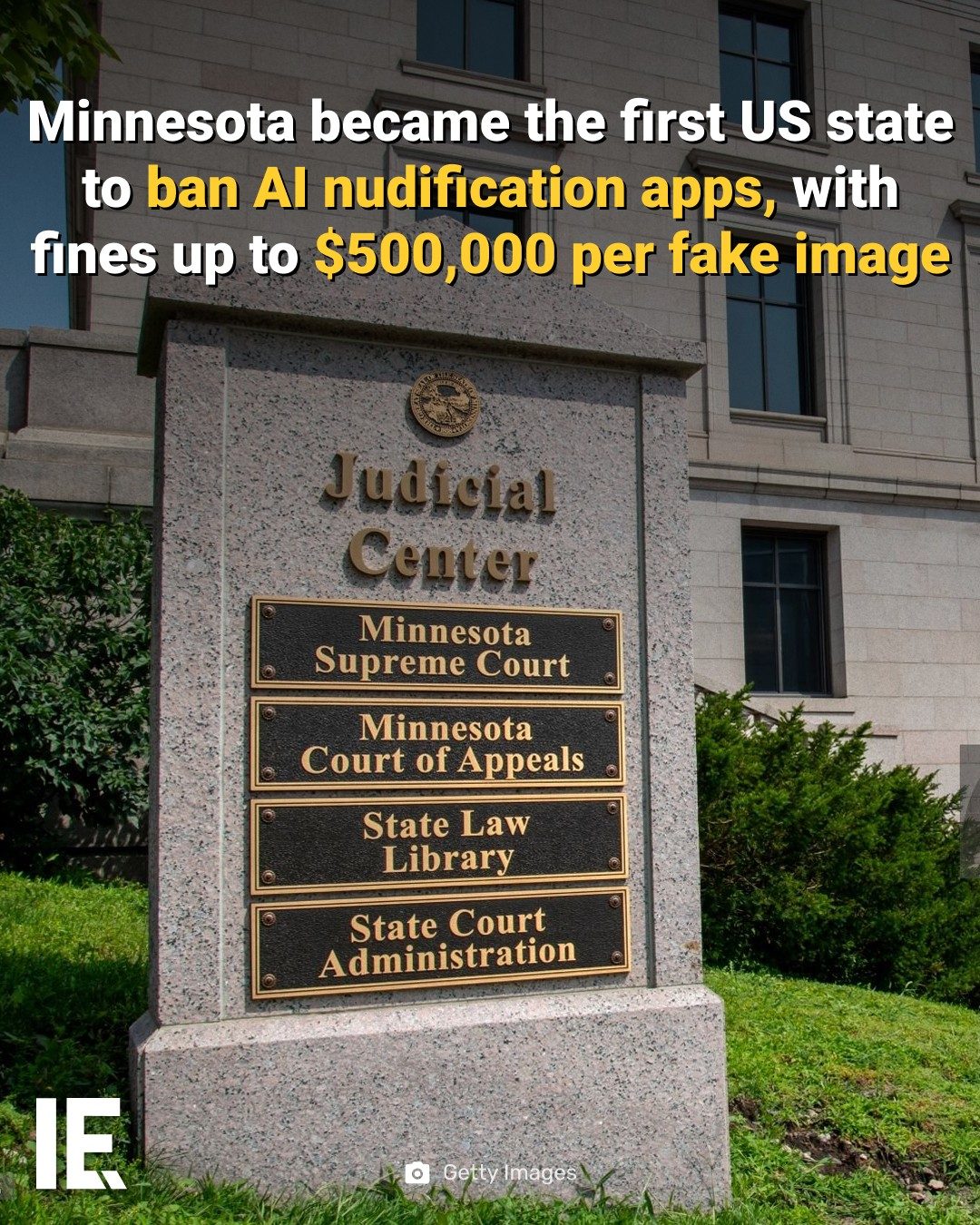
Minnesota's Pioneering AI Nudification Ban
The law against "nudification" apps has become a topic of attention in the ever-evolving digital world. Recent events have put Minnesota at the forefront of digital safety, as the state has moved to ban apps and services designed to create non-consensual intimate images using artificial intelligence.
Why This Matters
This law is a significant step in the fight against non-consensual intimate imagery, often referred to as "revenge porn." The rise of AI nudification tools has made it disturbingly easy for individuals to create and distribute fake nude images of others without their consent. This has led to substantial emotional and psychological harm for victims, who often have limited legal recourse.
The law was prompted by a specific incident where a man created fake nude images of more than 80 women from his social circles. Existing laws did not provide a clear path for prosecution since the images were not shared publicly, highlighting a gap in legal protections against AI-driven misuse.
Minnesota's Approach to AI Nudification
The Ban and Its Implications
Minnesota has taken a decisive stance against AI nudification apps by banning them outright. The law targets one-click apps that make it easy to generate non-consensual intimate imagery, rather than tools like Photoshop, which require a higher level of technical skill to misuse. The ban includes severe penalties for developers: fines can reach up to $500,000 per flagged image, and their products can be blocked in the state.
Enforcement Challenges
Enforcing this ban, especially against overseas app makers, will be challenging. The borderless nature of the internet means that developers outside Minnesota can still create and distribute these apps. Advocates argue that a federal law would provide more comprehensive protection and enforcement capabilities, but Minnesota's move is a crucial first step.
Legal Context
The Minnesota Judicial Center and the Minnesota Supreme Court of Appeals have been involved in the implementation of this law. These institutions play a critical role in ensuring that the legal framework is robust and effective. The law also mentions other related institutions, such as the State Law Library and State Court Administration, which will likely support the enforcement process.
Specific Exemptions
The law specifically exempts tools that require a higher level of technical skill to misuse, such as Photoshop. This exemption acknowledges that while these tools can be misused, they are not designed for the sole purpose of creating non-consensual intimate imagery. The focus is on one-click apps that have made this type of abuse trivial to commit.
Practical Tips for Awareness and Protection
Recognizing the Risks
Understanding the risks associated with AI nudification apps is the first step in protecting yourself and others. Be aware of the apps and services that claim to "enhance" or "transform" images in ways that could be misuse.
Legal Protections
Knowing your legal rights is essential. If you become a victim of non-consensual intimate imagery, it is crucial to consult with legal experts who can help you navigate the complexities of the law and seek justice.
Reporting and Support
Minnesota’s law includes provisions for reporting and supporting victims. Familiarize yourself with the reporting processes and support resources available in your state or region. Prompt reporting can significantly aid in the enforcement and prosecution of these cases.
Important Takeaways
Minnesota's ban on AI nudification apps is a groundbreaking move in the realm of digital safety. This law sets a precedent for other states and potentially for federal legislation, highlighting the need for robust legal protections against non-consensual intimate imagery.
- The law targets one-click apps designed for easy misuse.
- Fines and product blocking serve as strong deterrents for developers.
- Exemptions for tools like Photoshop ensure that the law is targeted and effective.
- Enforcement will be challenging, especially against overseas developers, underscoring the need for federal intervention.
- Legal protections and support resources are critical for victims of non-consensual intimate imagery.
Conclusion
Minnesota's pioneering law against AI nudification apps marks a significant milestone in digital safety. It serves as a beacon for other states and highlights the urgency of addressing the misuse of AI technologies. While challenges remain, especially in enforcement, the law sends a clear message: non-consensual intimate imagery will not be tolerated. Stay informed, stay protected, and stay vigilant in the digital age.
Watch the Reel
Questions readers ask
What exactly does Minnesota's AI nudification ban prohibit?
Minnesota's law targets the creation, distribution, and possession of non-consensual intimate images generated by AI. This includes apps and services that manipulate or fabricate explicit content without the consent of the individuals depicted.
Why did Minnesota feel the need to enact this law?
The state took action in response to the growing misuse of AI technology to create and distribute fake nude images, often referred to as 'revenge porn.' This phenomenon has led to significant emotional and psychological harm for victims, prompting the need for legal intervention.
What are the penalties for violating Minnesota's AI nudification ban?
The law imposes fines for individuals or entities found to be violating the ban. Minnesotas judicial system has specific penalties for those found guilty of creating, distributing, or possessing AI-generated intimate images without consent. The fines are designed to deter misuse and protect individuals' privacy.
How does this law impact developers of AI technologies?
Developers of AI technologies in Minnesota must ensure their tools cannot be used to create non-consensual intimate images. This may involve implementing safeguards and consent mechanisms to prevent misuse, potentially altering the design and functionality of certain apps and services.
Can individuals report misuse of AI nudification apps in Minnesota?
Yes, individuals who believe they are victims of non-consensual AI-generated intimate images can report the misuse to law enforcement. The state's legal system is equipped to handle such cases, providing avenues for victims to seek redress and protection.
What protections does the law offer to victims of AI nudification?
The law provides victims with legal recourse against those who create and distribute non-consensual AI-generated intimate images. It aims to mitigate the emotional and psychological harm caused by such misuse, offering a path to justice and privacy protection for affected individuals.
Related deep dives
Similar reads based on topic and creator.



Recent articles
Fresh deep dives from the latest Reels we unpacked.




Comments
Be the first to comment.