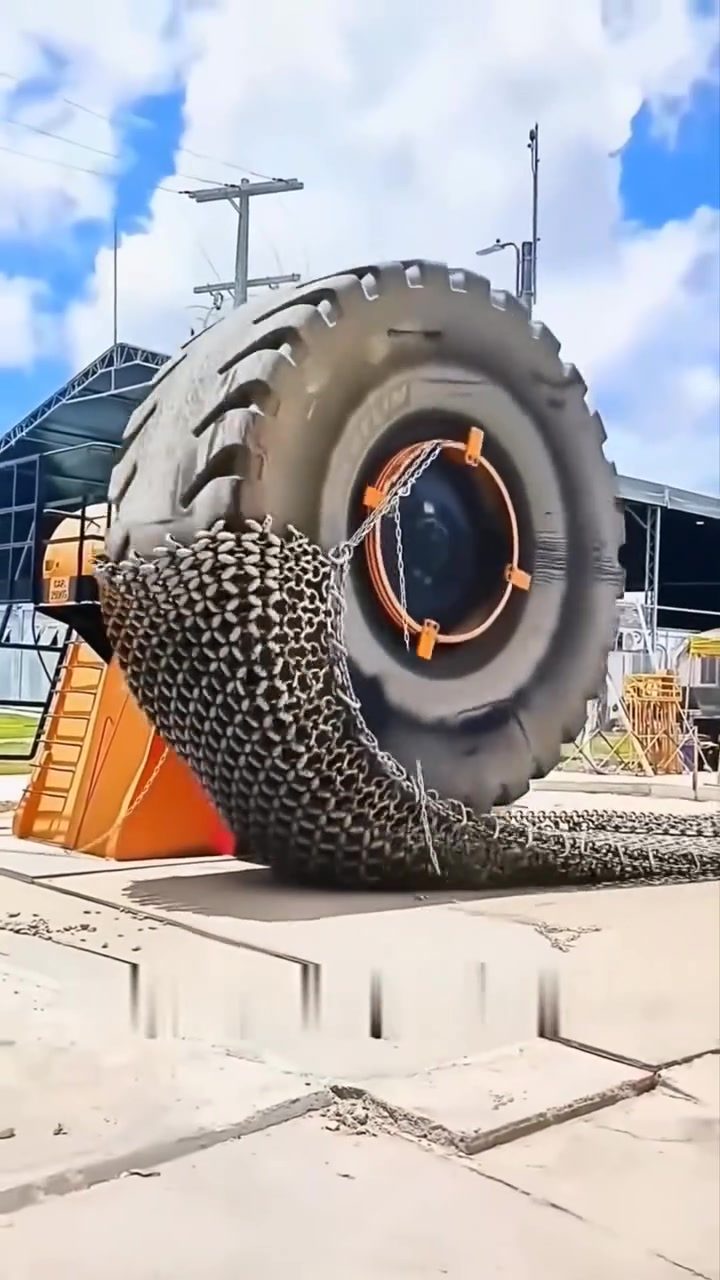
Giant Mining Trucks and Their Steel-Chained Tires
Giant mining trucks are a common sight in the toughest mining environments around the world. One of their most distinctive features is the steel chains wrapped around their massive tires. These chains serve a crucial purpose beyond just providing extra grip.
Why This Matters
Mining operations often take place in remote and rugged locations, where the roads are far from smooth. The conditions are harsh, and the equipment must be robust to withstand the challenges. Understanding the design and purpose of mining trucks, including their tire protection, is essential for appreciating the logistics and engineering that go into large-scale mining operations.
The Purpose of Steel Chains on Mining Truck Tires
Protective Function
Most people assume that the steel chains on mining truck tires are meant to enhance grip. However, this is a misconception. The primary function of these chains is to protect the tires from damage. Mining roads are notorious for being covered with razor-sharp rocks that can easily puncture a tire. This is a significant issue because replacing a single mining truck tire can cost tens of thousands of dollars.
Extending Tire Lifespan
By wrapping the tires with high-strength steel protection chains, engineers can greatly extend the lifespan of the tires. This not only saves on replacement costs but also minimizes downtime, which is crucial in mining operations where every minute counts. The chains act as a shield, absorbing the impact of sharp rocks and preventing punctures.
Why Regular Cars Don't Use Steel-Chained Tires
Different Road Conditions
Regular roads, especially in urban and suburban areas, do not pose the same level of threat to tires as mining roads. The surfaces are smoother, and the risk of encountering sharp rocks is minimal. Therefore, the heavy chains would only add unnecessary weight, reduce comfort, and increase fuel consumption.
Practical Considerations
For regular cars, the benefits of using steel-chained tires do not outweigh the drawbacks. The extra weight would make the vehicle less fuel-efficient, and the chains would cause discomfort during driving. In contrast, mining trucks operate in environments where these factors are less of a concern. The chains are a necessary evil for these machines, which are built to endure the harshest conditions.
Practical Tips for Understanding Mining Truck Tires
Maintenance and Inspection
Regular inspection and maintenance of the steel chains and tires are essential. Even though the chains provide protection, they can still wear down over time. It's important to check for any signs of damage or wear and replace them as needed.
Choosing the Right Tires
Selecting the right type of tires for mining trucks is crucial. The tires must be durable and able to withstand the harsh conditions. Factors to consider include the tire's weight capacity, tread pattern, and resistance to punctures.
Operator Training
Training operators to handle the unique challenges of mining trucks is also important. They need to be aware of the tire protection mechanisms and how to respond in case of a tire-related issue.
Important Takeaways
- Steel chains on mining truck tires are primarily for protection, not extra grip.
- Mining roads are hazardous, with sharp rocks that can easily damage tires.
- Replacing a mining truck tire is expensive, so extending its lifespan is crucial.
- Regular cars do not need steel chains because road conditions are less hazardous.
- The chains add weight, reduce comfort, and increase fuel consumption, making them impractical for regular use.
Conclusion
Giant mining trucks are engineered to withstand the harshest conditions, and their steel-chained tires are a testament to this. While they may seem like an unusual feature, these chains serve a vital purpose in protecting the tires and extending their lifespan. Understanding the engineering behind these machines provides insight into the complexities of large-scale mining operations and the unique challenges they face.
Watch the Reel
Questions readers ask
What are the primary benefits of using steel chains on mining truck tires?
Steel chains on mining truck tires primarily protect the tires from damage caused by sharp rocks and rough terrain, which is common in mining environments. This protection helps to extend the lifespan of the tires, reducing the frequency of replacements and minimizing downtime for tire maintenance. Additionally, the chains provide extra traction, enhancing the trucks' ability to navigate challenging terrains.
How do steel chains help reduce tire wear in mining operations?
Steel chains act as a barrier between the tire and the harsh mining road surfaces. They absorb much of the impact from rocks and debris, preventing direct contact with the tire tread, which is a common cause of tire wear. By doing so, the chains significantly reduce the rate of tire wear, ensuring that the tires last longer under the demanding conditions of mining operations.
Why are steel chains used instead of other materials for mining truck tires?
Steel chains are preferred for mining truck tires due to their exceptional durability and strength. Unlike other materials, steel can withstand the extreme conditions and heavy loads typical in mining environments. Furthermore, steel chains provide reliable protection and traction, making them a cost-effective solution for prolonging tire life and minimizing operational disruptions.
What types of terrain benefit most from the use of steel chains on mining truck tires?
Steel chains on mining truck tires are most beneficial in rugged, rocky, and uneven terrains. These conditions are common in mining sites where roads are often unpaved and littered with debris. The chains help protect the tires from punctures and tears, ensuring that the trucks can operate efficiently and safely in these harsh environments.
How do steel chains contribute to the overall efficiency of mining operations?
By extending the lifespan of mining truck tires, steel chains reduce the need for frequent tire replacements, lowering operational costs and minimizing downtime. This increased tire durability allows for more continuous operation, enhancing the overall efficiency of mining activities. Additionally, the improved traction provided by the chains enables trucks to navigate difficult terrains more effectively, further boosting productivity.
What maintenance is required for steel chains on mining truck tires?
Regular inspection and maintenance are crucial for steel chains on mining truck tires. This includes checking for wear and tear, ensuring the chains are properly tightened, and repairing or replacing any damaged sections. Proper maintenance helps to maximize the protective benefits of the chains and prevents potential issues that could lead to tire damage or truck breakdowns.
Are there different types of steel chains used for mining truck tires, and if so, what are the differences?
Yes, there are different types of steel chains designed for mining truck tires. These variations can include differences in chain link size, spacing, and overall design to suit specific mining conditions and tire sizes. Some chains are designed for heavier loads or more extreme terrains, while others may focus on providing optimal traction in certain conditions. The choice of chain type depends on the specific requirements of the mining operation and the terrain conditions.
Recent articles
Fresh deep dives from the latest Reels we unpacked.




Comments
Be the first to comment.