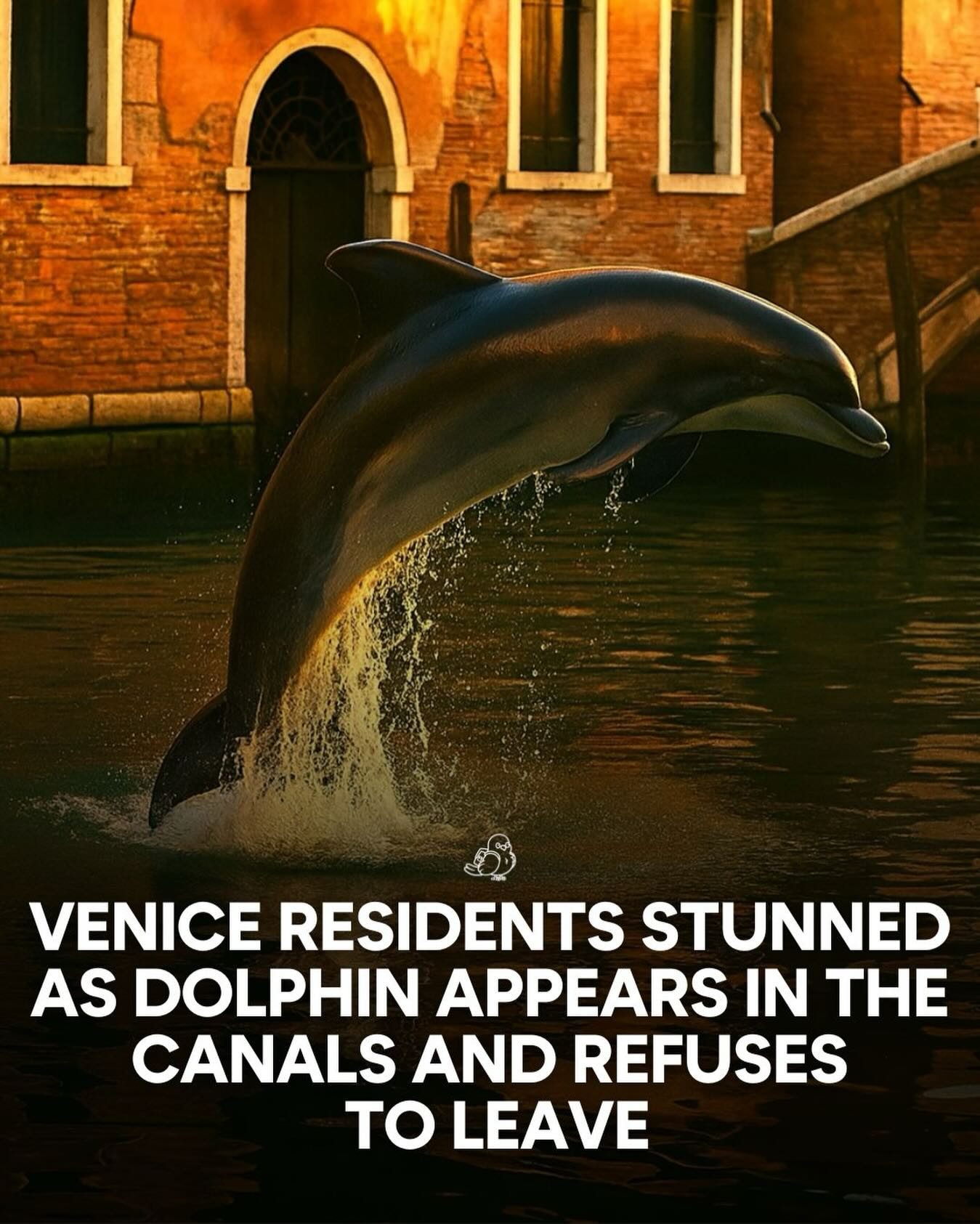
Mimmo: The Bottlenose Dolphin Wandering Venice's Canals
Venice, a city renowned for its intricate canals and historic architecture, has recently become the unlikely home to an unexpected marine visitor: a bottlenose dolphin named Mimmo. Residents and tourists alike have been captivated by the sight of Mimmo swimming through the city's waterways, seemingly refusing to return to the open sea. This extraordinary event has sparked curiosity and concern among locals, scientists, and wildlife enthusiasts.
Context: The Unlikely Visitor
This scenario is unique and has raised several questions. First and foremost, why is a dolphin in Venice’s canals, and how did Mimmo end up in a place so different from its usual habitat? Scientists suggest that Mimmo may have followed a school of fish into the Venetian Lagoon. Dolphins are known to be playful and curious creatures, so it’s not surprising that they might venture into unfamiliar waters in pursuit of a meal.
The Busy Waterways of Venice
Venice's canals are bustling with water taxis, gondolas, and other watercraft. These busy waterways pose significant risks to Mimmo. Dolphins are intelligent and adaptable, but even they can be vulnerable in an urban environment. The constant movement of boats and the potential for collisions make Mimmo’s presence in Venice a cause for concern among experts and authorities.
The Fate of Mimmo
As of now, locals are enjoying the charming presence of this rare visitor, but authorities are keeping a close watch. Venice’s waterways are densely populated, and the presence of a dolphin in this environment is unprecedented. While Mimmo’s arrival is enchanting and symbolic of the city's unique ecosystem, the long-term implications for the dolphin and the city are still unclear.
Main Discussion
Mimmo’s Presence in Venice is a fascinating case study in marine biology and urban ecology. Understanding the factors that led to this unusual event can provide insights into dolphin behavior and the impact of urban environments on wildlife.
Dolphin Behavior and Migration Patterns
Bottlenose dolphins are known for their playful and social nature. They are found in various marine environments, including coastal areas and estuaries. Dolphins are also known to be curious, which might explain why Mimmo ventured into Venice’s canals. Dolphins generally follow fish schools as a source of food, but Mimmo's persistence in staying within the canals suggests a unique behavior pattern.
Mimmo's Unique Journey
For a dolphin to be in Venice’s canals, it must have traveled through the Venetian Lagoon, a vast area of shallow water and tidal flats that separate the Adriatic Sea from the city. This journey is not typical for dolphins, especially considering the hazards posed by urban waterways. Mimmo’s journey into Venice raises questions about how dolphins can adapt to new environments and the potential risks they face in urban settings.
Urban Ecology and Wildlife Interaction
Venice’s canals are not only a waterway but also a vital part of the city's ecosystem. The city's waterways support a diverse range of marine life, including fish, birds, and invertebrates. Mimmo's presence has brought attention to the delicate balance of the Venetian Lagoon.
Impact of Urbanization on Marine Life
Urbanization can have significant impacts on marine ecosystems, altering the habitats and interactions of various species. The presence of Mimmo in Venice highlights how urban environments can affect marine wildlife. Dolphins, like other marine animals, are naturally curious and adaptable, but their presence in urban waterways raises questions about how these environments impact their behaviors and survival.
Practical Tips
Safety Precautions for Mimmo
While Mimmo’s presence is a cause for celebration, it is crucial to ensure the dolphin's safety. Boaters and residents should adhere to the guidelines set by local authorities, which include maintaining a safe distance and minimizing disturbance to Mimmo. This knowledge will help protect the dolphin and allow it to navigate the canals safely.
Observing and Documenting Wildlife Behavior
Wildlife enthusiasts and scientists can play a crucial role in documenting Mimmo’s behavior. Observations can help scientists understand how dolphins adapt to new environments and provide valuable insights into marine ecology. This information could be used to develop better conservation strategies for marine life in urban areas.
Community Engagement
Local communities can also play a significant role in ensuring the safety of wildlife in urban environments. By raising awareness about the importance of marine conservation and the potential risks posed by urbanization, communities can help protect marine life and promote sustainable practices.
Important Takeaways
Mimmo’s presence in Venice’s canals is a rare and magical sight that underscores the city's unique ecosystem. This event highlights the importance of marine conservation and the need for better understanding of how urban environments impact marine wildlife. The presence of a dolphin in Venice’s canals also reminds us of the interconnectedness of ecosystems and the potential for unexpected and enchanting encounters with nature.
Conclusion
Mimmo’s journey into Venice’s canals is a captivating and surreal event that has captured the attention of residents and tourists alike. While the long-term implications for the dolphin and the city remain unclear, this extraordinary encounter serves as a reminder of the incredible wildlife that can sometimes appear in the most unexpected places. Through careful observation, community engagement, and conservation efforts, we can ensure that Mimmo and other marine wildlife continue to thrive in their unique environments.
Watch the Reel
Questions readers ask
Why is Mimmo the dolphin in Venice's canals?
Mimmo, a bottlenose dolphin, is in Venice's canals likely due to following a school of fish closer to the shore. The dolphin's migration pattern might have been disrupted, leading him to explore the city's intricate waterways. This is a rare occurrence, as dolphins typically inhabit open seas rather than urban waterways.
How have Venice residents reacted to Mimmo's presence?
Venice residents have been captivated by Mimmo's presence, with many enjoying regular sightings. Mimmo has become a local attraction, with residents often gathering to watch the dolphin swim through the canals. While some are concerned about his well-being, others are simply delighted by the unexpected visitor.
How have tourists reacted to Mimmo the dolphin in Venice?
Tourists have been thrilled to see Mimmo the dolphin. Many visitors have shared photos and videos of their sightings, often reporting it as a highlight of their trip. Mimmo has added an element of surprise and excitement to the typical tourist experience in Venice, which is known for its historic architecture and canals.
How do Venice's canals compare to a dolphin's natural habitat?
Venice's canals differ significantly from a dolphin's natural habitat. Dolphins typically thrive in open seas with ample space and varied marine life. Venice's canals, while scenic, offer limited space, potential obstacles, and may not provide the necessary food sources for a dolphin like Mimmo to sustain his long-term health.
What is being done to monitor Mimmo's health and welfare?
Scientists and wildlife experts are closely monitoring Mimmo's health and welfare. They are keeping a watchful eye on the dolphin's behavior and condition, while also studying the impact of his presence in the canals on the local ecosystem. The focus is to ensure Mimmo's safety while also encouraging him to return to the open sea.
What can locals and tourists do to help Mimmo in Venice's canals?
Locals and tourists can help by keeping a respectful distance from Mimmo, avoiding feeding him, and not disturbing his natural activities. This ensures his health and well-being, mitigating any adverse reactions to his presence in the canals. It is important to allow scientists and wildlife experts to handle the situation appropriately.
What might prevent Mimmo from returning to the open sea?
Several factors might prevent Mimmo from returning to the open sea, including his adaptation to the city's environment, the availability of food, and the potential presence of food sources within the canals. Scientists are studying his behavior and monitoring conditions to determine the best approach for encouraging him to return to his natural habitat.
Related deep dives
Similar reads based on topic and creator.


Recent articles
Fresh deep dives from the latest Reels we unpacked.


Comments
Be the first to comment.