Robotic Dogs in Military Operations
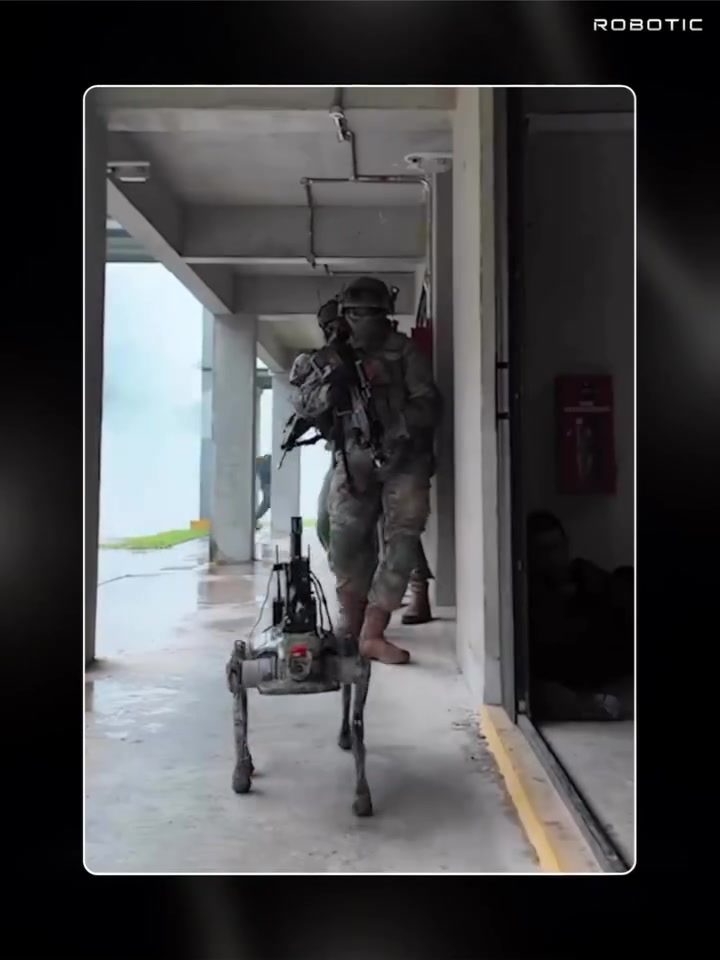
Robotic dogs, a cutting-edge innovation in robotics, are being tested by military forces to enhance battlefield automation. These advanced machines are designed to work alongside drones and other autonomous systems, providing support in a wide range of military operations.
Why This Matters
Military advancements in technology are crucial for maintaining operational superiority and protecting human personnel. The integration of robotic dogs and drones represents a significant shift towards unmanned systems, reducing risks and enhancing capabilities in complex environments.
Main Discussion
Advanced Capabilities
Robotic dogs, such as the ones demonstrated by roboticChina, are equipped with advanced mobility features that allow them to navigate various terrains. Whether it's a parking garage or an outdoor area, these robots can handle different surfaces and obstacles. Their ability to move through urban settings makes them ideal for surveillance and reconnaissance missions.
Coordination with Drones
One of the key highlights of the demonstration is the coordination between robotic dogs and drones. These unmanned systems work together seamlessly, showcasing a sophisticated level of AI-assisted coordination. This collaboration is crucial for modern defense technology, as it allows for a more comprehensive approach to surveillance and logistics.
Potential Applications
The potential applications of robotic dogs in military operations are vast. They can be used for:
-
Reconnaissance: Robotic dogs can gather information in areas where human access is limited or dangerous. Their mobility and agility make them perfect for scouting missions.
-
Security: In secure environments, these robots can patrol areas, detect anomalies, and respond to threats quickly and efficiently.
-
Logistics Support: Robotic dogs can assist in transporting supplies and equipment, reducing the load on human personnel and increasing operational efficiency.
Practical Tips for Deploying Robotic Dogs
Deploying robotic dogs in a military setting requires careful planning and execution. Here are some practical tips to consider:
Training and Simulation
Before deploying robotic dogs in real-world scenarios, extensive training and simulation exercises are essential. This helps in understanding the capabilities and limitations of the robots, ensuring they are ready for any situation.
Integration with Existing Systems
Robotic dogs should be integrated with existing military systems and technologies. This includes communication systems, command and control centers, and other unmanned systems. Seamless integration ensures effective coordination and enhances overall operational efficiency.
Maintenance and Upkeep
Regular maintenance and upkeep are crucial for the longevity and effectiveness of robotic dogs. This includes regular checks, software updates, and any necessary repairs. Ensuring that the robots are in optimal condition is vital for their performance in the field.
Safety Protocols
Establishing safety protocols is essential for the safe operation of robotic dogs. This includes guidelines for handling, deployment, and emergency situations. Ensuring the safety of both personnel and the equipment is paramount.
Data Security
Data security is another critical aspect to consider. Robotic dogs collect and transmit sensitive information, making them potential targets for cyber-attacks. Implementing robust data security measures is necessary to protect the information gathered and transmitted by these robots.
Important Takeaways
-
Enhanced Capabilities: Robotic dogs bring enhanced mobility and agility to military operations, making them ideal for various terrains and environments.
-
Seamless Coordination: The ability of robotic dogs to work alongside drones and other unmanned systems showcases the potential of AI-assisted coordination in modern defense.
-
Versatile Applications: These robots can be used for reconnaissance, security, logistics, and more, providing a versatile solution for complex military operations.
-
Safety and Security: Establishing safety protocols and robust data security measures is crucial for the effective deployment and operation of robotic dogs.
Conclusion
The future of military operations is increasingly connected, automated, and driven by intelligent systems. Robotic dogs, with their advanced capabilities and potential applications, are set to play a significant role in this evolving landscape. As autonomous technology continues to advance, the integration of these robots into military operations will become more prevalent, enhancing capabilities and reducing risks for human personnel.
Watch the Reel
Questions readers ask
What are some key advantages of using robotic dogs in military operations?
Robotic dogs offer enhanced mobility in various terrains, making them ideal for reconnaissance, surveillance, and navigating complex environments. They can reduce human risk by entering hazardous areas and provide support to military personnel in dangerous situations.
How do robotic dogs complement military drones?
Robotic dogs can work with drones to provide more comprehensive battlefield support. While drones offer aerial surveillance, robotic dogs can navigate ground terrain, collect samples, and perform tasks that drones cannot.
What are some potential risks associated with deploying military robotic dogs?
The primary risks involve cybersecurity. Robotic dogs may be vulnerable to hacking or signal jamming, which could compromise their operations. However, advancements in cybersecurity measures are addressing these concerns.
What is the current state of military robotic dog technology?
Military robotic dogs are currently in testing phases. Companies like roboticChina are developing and demonstrating prototypes with advanced mobility and sensing capabilities, but widespread deployment is still in progress.
How do unmanned systems like robotic dogs and drones reduce risks for human personnel?
Unmanned systems can perform dangerous tasks such as patrolling, surveillance, and bomb disposal, reducing the need for humans to directly engage in high-risk situations. They minimize casualties and enhance the safety of military personnel.
What kind of impact might robotic dogs have on future battlefield strategies?
Robotic dogs are expected to significantly enhance battlefield automation, improving situational awareness and tactical decision-making. As they evolve, they may transform how military units operate, providing 24/7 support and reducing the burden on human soldiers.
How do military robotic dogs enhance battlefield surveillance?
Robotic dogs are equipped with advanced sensors and cameras, allowing them to collect and transmit real-time data from various terrains. This capability enhances situational awareness and supports better decision-making, especially in remote and dangerous areas.
Related deep dives
Similar reads based on topic and creator.

Recent articles
Fresh deep dives from the latest Reels we unpacked.




Comments
Be the first to comment.