Military Dog Training
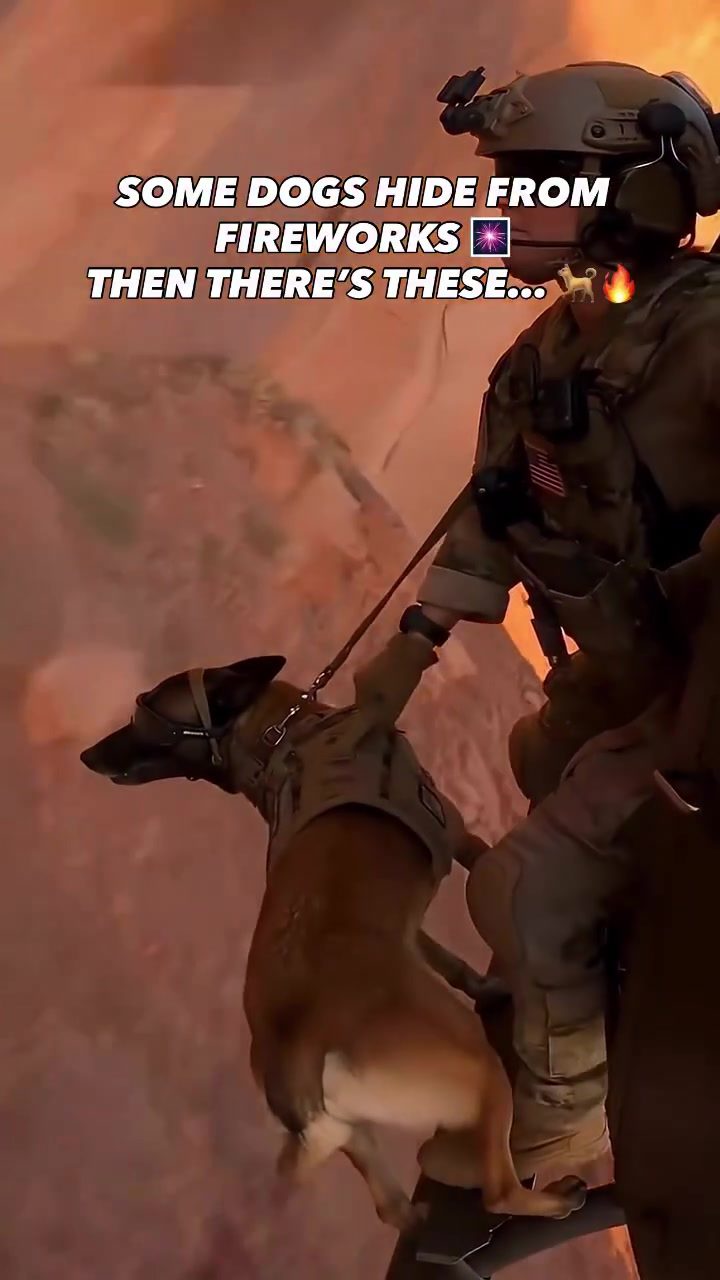
The calm demeanor of a military dog amidst the chaos of a desert environment is a testament to the extensive training these animals undergo. Unlike typical dogs that might hide from loud noises like fireworks, military dogs are trained to remain composed in even the most challenging situations.
Why This Matters
Training military dogs is crucial for their role in various missions. These dogs are not just pets; they are highly trained working animals that can perform tasks ranging from detection to protection. Understanding the training process and the unique qualities of these dogs can offer insights into the demands and expectations placed on them.
Main Discussion
The Training Process
Military dogs undergo rigorous training to prepare them for the unique challenges they will face. This training includes exposure to various environments, loud noises, and chaotic situations. The goal is to ensure that the dogs remain calm and focused, regardless of the circumstances.
Key Training Elements
Desensitization and Counter-Conditioning
Desensitization involves gradually introducing the dog to a stimulus (e.g., loud noises) in a controlled manner, helping the dog become accustomed to it without fear. Counter-conditioning pairs the stimulus with a positive experience, such as treats or praise, to change the dog's emotional response.
Obedience Training
Obedience training ensures that the dog responds to specific commands reliably. This is crucial for military operations where the dog's actions must be predictable and precise.
Detection Training
Military dogs are trained to detect a variety of substances, including explosives, drugs, and even human remains. This involves teaching the dog to recognize specific scents and alert their handler to their presence.
The Role of the Handler
The handler plays a crucial role in the success of a military dog. The bond between the handler and the dog is essential for effective communication and cooperation. Handlers undergo specialized training to understand the needs and capabilities of their canine partners.
Practical Tips
Training Your Own Dog
While most pet owners won't need to train their dogs to the same level as military dogs, some of the same principles can be applied. Here are a few tips:
Positive Reinforcement
Use treats, praise, or play to reward your dog for desired behaviors. This helps to build a positive association and encourages the dog to repeat the behavior.
Consistency
Be consistent with your commands and expectations. Dogs thrive on routine and predictability, so maintaining a consistent approach to training is essential.
Desensitization
Gradually introduce your dog to potentially scary stimuli, such as loud noises, new environments, or strangers. Start with low-intensity exposures and gradually increase the intensity as your dog becomes more comfortable.
Understanding Military Dog Training
For those interested in a deeper understanding of military dog training, it's important to recognize that this type of training requires specialized knowledge and resources. However, the principles of desensitization, counter-conditioning, and positive reinforcement can be applied to pet training as well.
Important Takeaways
Military dogs are remarkable animals that undergo extensive training to perform critical roles in various missions. Their ability to remain calm and focused in challenging situations is a result of specialized training techniques, including desensitization, counter-conditioning, and obedience training. Understanding these principles can offer valuable insights for pet owners looking to train their dogs effectively.
Conclusion
The contrast between typical dogs that hide from fireworks and military dogs that remain composed in challenging situations highlights the unique qualities and extensive training of these working animals. Whether you're a pet owner looking to train your dog or simply curious about the fascinating world of military dog training, recognizing the key elements of this process can provide valuable insights and practical tips.
Watch the Reel
Questions readers ask
How do military working dogs stay calm in chaotic environments like combat zones?
Military dogs are exposed to increasingly intense and chaotic scenarios during their training. This systematic exposure helps them become accustomed to loud noises, sudden movements, and other stimuli, ensuring they remain calm and focused when deployed in combat zones. This is essential for helping them perform their tasks effectively amidst the chaos. Some of these tasks include explosives and narcotics detection, as well as patrolling with soldiers in guard, search and attack missions.
What kind of gear do military working dogs use in their missions?
Military dogs are outfitted with specialized gear designed to protect them and enhance their capabilities. This gear includes protective vests, which shield them from harm, and harnesses equipped with handles for soldiers to guide them. Additionally, dogs may wear gear that allows them to carry equipment, such as water or supplies, to support their handlers in the field. These dogs are also trained to be comfortable with their gear and use it to their advantage.
How are military dogs trained to ignore loud noises, like gunfire and explosions?
Military dogs are gradually introduced to loud noises during their training, starting with quieter sounds and gradually increasing the volume and intensity. This process, known as desensitization, helps the dogs become accustomed to loud noises and prevents them from being startled or distracted by the sounds of gunfire or explosions. This allows them to remain unfazed and ready to perform their detection and protection tasks.
What role do military dogs play in detection missions, and how does their training help in these tasks?
Military dogs are trained to detect a wide range of scents, including explosives, narcotics, and even human remains. Their training involves learning to alert their handlers when they detect a target scent. This can be through a bark, a sit, or a scratch, depending on the mission. Their exceptional sense of smell and rigorous training in detection are crucial for their success in locating hidden threats, as well as other tasks such as tracking and search and rescue.
What challenges do military dogs face in desert environments, and how is their training adapted to overcome these challenges?
Military dogs in desert environments face unique challenges, such as extreme heat, limited water, and rugged terrain. Their training is adapted to include acclimation to these conditions, ensuring they can perform effectively. They are taught to remain calm and focused despite the harsh environment, and their handlers are trained to monitor their welfare closely. Desert environments often require dogs to be even more vigilant, as the environment can obscure sound and scent.
How do military dogs learn to work closely with soldiers in chaotic situations?
Military dogs are trained to build a strong bond with their handlers, ensuring seamless teamwork. They learn commands specific to military operations, allowing them to understand and respond to their handler's instructions. This includes learning to work together in various combat scenarios, such as patrolling, guarding, and search and attack missions, where the dog and handler must communicate effectively amidst the chaos. Proper dog training for soldiers ensures that the dog can be trusted to perform these tasks.
Why is it important for military dogs to remain calm and focused in high-stress situations?
Military dogs must remain calm and focused to perform their duties effectively. Their ability to stay composed in high-stress situations is crucial for their safety, the safety of their handlers, and the success of their missions. Tasks such as weapons searches, explosives detection, and search and rescue require a dog to be on point and ready to act upon a command, even when the situation is chaotic, such as in an explosive ordnance disposal (EOD) mission. Military dog training for chaos ensures that the canine will not be distracted or hindered by the stress or noise of the environment.
Related deep dives
Similar reads based on topic and creator.



Recent articles
Fresh deep dives from the latest Reels we unpacked.




Comments
Be the first to comment.