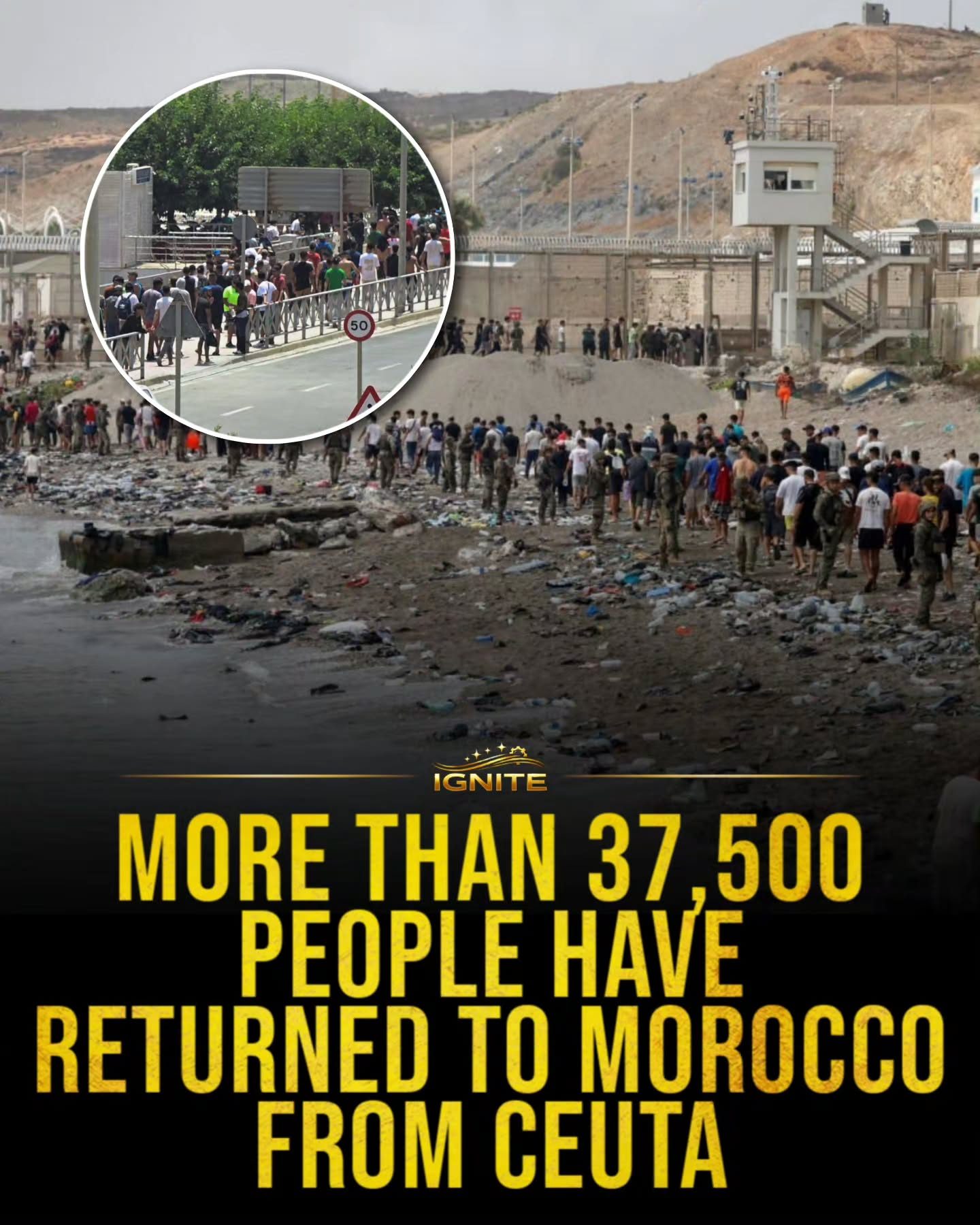
The Return of Over 37,500 People to Morocco from Ceuta
Morocco has seen a significant influx of people returning from Ceuta, a Spanish autonomous city located on the north coast of Africa. This movement involves over 37,500 people, highlighting the complex dynamics at play in the region.
Context: Why This Matters
Understanding this situation requires delving into the geographical and political context of Ceuta and Morocco. Ceuta, along with Melilla, is one of two Spanish autonomous cities on the African continent. These cities are Spanish territories but are surrounded by Morocco, which claims them as part of its national territory. This unique geographical and political situation often results in significant human movement between Ceuta and Morocco.
Main Discussion
The Return Journey
The journey back to Morocco from Ceuta is a logistical and emotional one. Ceuta, being a small city with a population of around 85,000, often finds itself overwhelmed by the influx of migrants and refugees seeking entry into Europe. The return of 37,500 people underscores the pressures faced by both Ceuta and Morocco in managing migration.
Border Security and Management
The visuals from the news report show a coastal scene with a border fence and a watchtower, illustrating the fortified nature of the border between Ceuta and Morocco. This infrastructure is part of Spain's efforts to control immigration and maintain border security. The return of such a large number of people requires coordinated efforts between Moroccan and Spanish authorities. This includes ensuring safe passage, providing necessary support, and managing the logistical complexities of such a large-scale movement.
Humanitarian Considerations
While the numbers and logistics are crucial, the human aspect of this situation cannot be overlooked. The return of these individuals involves personal stories of resilience, struggle, and hope. Many of those returning may have fled hardships in search of a better life but have found the journey fraught with challenges. NGOs and international organizations often play a vital role in providing support and ensuring that the rights of these individuals are protected.
Political and Diplomatic Implications
The movement of people between Ceuta and Morocco has far-reaching political and diplomatic implications. Spain and Morocco have a complex and often tense relationship, particularly regarding the issue of sovereignty over Ceuta and Melilla. This influx of people returning to Morocco can strain diplomatic relations and influence broader geopolitical dynamics in the region. Both countries must navigate these complexities while addressing immediate humanitarian concerns.
Economic Impact
The return of a large number of people also has economic implications. For Morocco, this influx can put pressure on resources and infrastructure. Local communities may need to adapt to the influx of new residents, requiring government support and intervention. Conversely, for Ceuta, the reduction in population could alleviate some of the pressures it faces but may also impact local economic activities that depend on migrant labor.
Practical Tips
For those involved in humanitarian efforts or policy-making related to migration, several practical tips can help manage such situations effectively:
- Coordination: Effective coordination between local authorities, NGOs, and international organizations is crucial for managing large-scale returns.
- Support Services: Providing essential support services, including medical care, shelter, and food, is vital for ensuring the well-being of returning individuals.
- Communication: Clear communication with returning individuals about their rights, available support, and next steps can help alleviate anxiety and confusion.
- Diplomatic Engagement: Engaging in diplomatic dialogues between Spain and Morocco can help address broader issues related to migration and border management.
- Long-term Planning: Developing long-term plans for integration and support can help ensure that returning individuals have a stable future in Morocco.
Important Takeaways
The return of over 37,500 people from Ceuta to Morocco highlights several critical points:
- Complexity of Migration: Migration is a multifaceted issue involving geographical, political, economic, and humanitarian dimensions.
- Coordination and Support: Effective management of large-scale returns requires coordinated efforts and comprehensive support systems.
- Humanitarian Needs: Addressing the humanitarian needs of returning individuals is essential for ensuring their well-being and rights.
- Diplomatic Considerations: The movement of people between Ceuta and Morocco has diplomatic and political implications that must be navigated carefully.
Conclusion
The return of over 37,500 people from Ceuta to Morocco is a significant event that underscores the complexities of migration and border management. This situation requires coordinated efforts, humanitarian support, and diplomatic engagement to ensure the well-being of those involved and to address the broader challenges facing the region. By understanding the context and taking practical steps, stakeholders can work towards effective solutions that respect the rights and dignity of all individuals.
Watch the Reel
Questions readers ask
Why are over 37,500 people returning to Morocco from Ceuta?
The return of over 37,500 people from Ceuta to Morocco is driven by a mix of factors, including political dynamics, economic opportunities, and family reunifications. Ceuta, being a Spanish autonomous city surrounded by Morocco, has a unique geographical and political situation that influences migration patterns. The decision to return can be influenced by the challenges and opportunities presented in both regions.
What are the main challenges faced by migrants returning to Morocco from Ceuta?
Migrants face several challenges during their journey from Ceuta to Morocco, including logistical hurdles like transportation and border crossings. Additionally, the emotional aspect of leaving a place with familiar routines and support networks can be difficult. Furthermore, there are potential humanitarian concerns, such as ensuring the well-being of vulnerable individuals during the transition.
How does the political context influence migration between Ceuta and Morocco?
The political context significantly influences migration between Ceuta and Morocco. Ceuta, being a Spanish territory within Moroccan borders, creates a complex situation where migrant movements are shaped by diplomatic relations, border control measures, and policies from both Spain and Morocco. These factors can impact the ease or difficulty of crossing between the two regions.
What is the geographical significance of Ceuta in the context of migration?
Ceuta's geographical location as a Spanish enclave on the African continent makes it a critical point for migration. Its proximity to both Spain and Morocco means it serves as a transit point for people moving between the two countries. The city's unique status as a European territory within Africa adds significant layers of complexity to migration dynamics, influencing the flow of people and the policies governing their movement.
Why is the return of migrants from Ceuta to Morocco important to monitor?
Monitoring the return of migrants from Ceuta to Morocco is crucial for understanding broader migration trends and the humanitarian aspects at play. It provides insights into the push and pull factors influencing migration, the impact of political and economic conditions, and the effectiveness of policies and support systems in place for migrants. This data can help inform better strategies for managing migration flows and addressing the needs of migrants.
What logistical considerations are involved in the journey from Ceuta to Morocco?
The journey from Ceuta to Morocco involves several logistical considerations, including transportation arrangements, border formalities, and the management of large groups of people. Ensuring that travel is safe and efficient is a priority, especially for vulnerable individuals. The availability of resources and infrastructure to support the movement of such a large number of people is also a key consideration.
Recent articles
Fresh deep dives from the latest Reels we unpacked.




Comments
Be the first to comment.