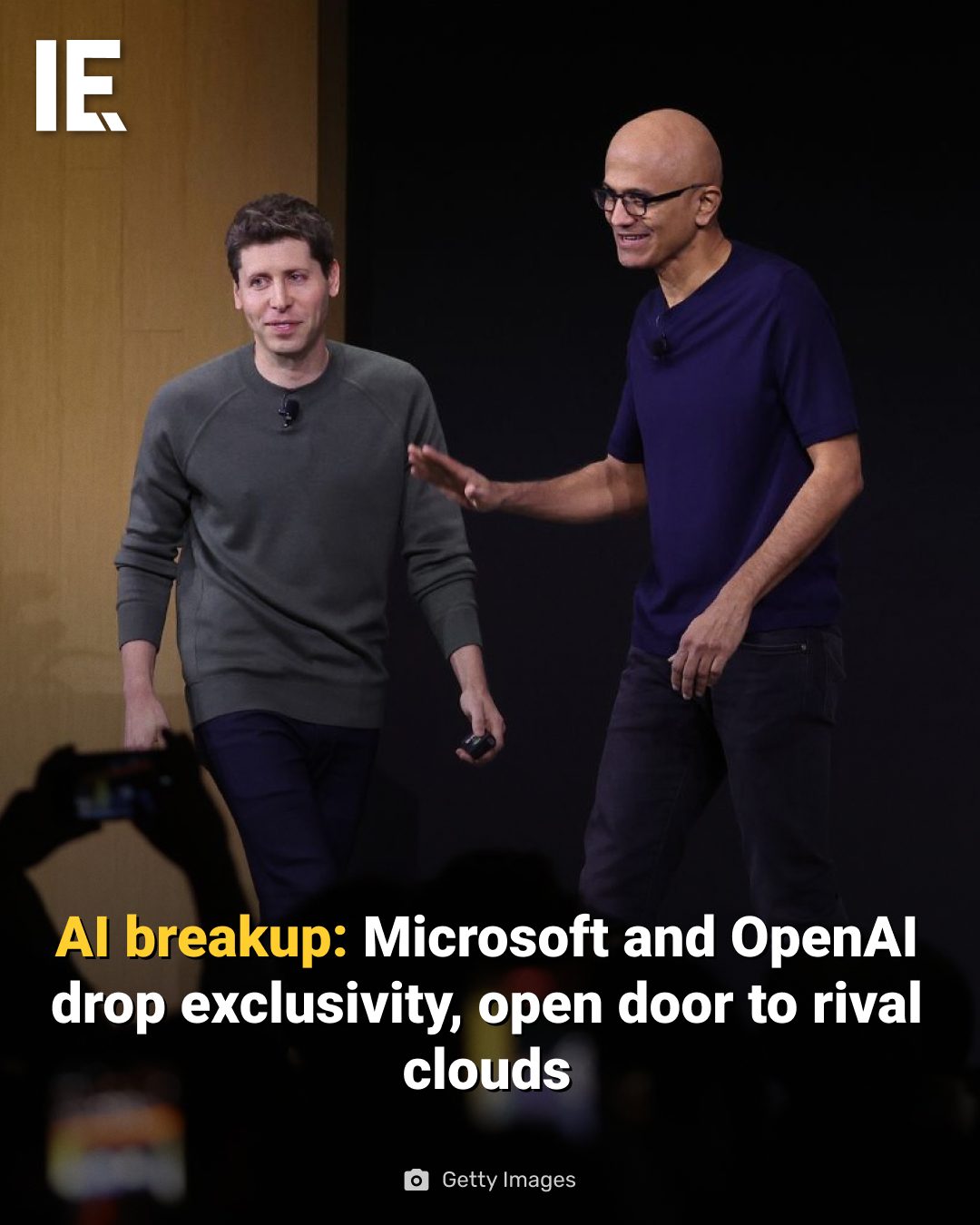
Microsoft and OpenAI Partnership Shift
Microsoft and OpenAI are redefining their partnership as the tech giant drops exclusivity, caps revenue, and prioritizes flexibility over strict control. This shift opens up new opportunities for cloud providers in the rapidly evolving AI landscape.
Why this matters
The transition in the Microsoft and OpenAI partnership signifies a pivotal move in the tech industry, particularly in the realm of artificial intelligence and cloud services. Microsoft's decision to cap revenue and drop exclusivity with OpenAI is a strategic pivot that could reshape the competitive dynamics in the AI market. This shift allows rival cloud providers to compete more freely, potentially fostering innovation and driving down costs for consumers and businesses alike.
Additionally, this move underscores the evolving relationship between major tech players and AI startups. As AI technologies become more integral to various industries, partnerships like these will play a crucial role in shaping the future of technology.
Understanding the new partnership landscape
Revenue capping and flexibility
Microsoft's decision to cap revenue from its partnership with OpenAI indicates a shift from aggressive profit maximization to a more balanced and flexible approach. By capping revenue, Microsoft can focus on long-term strategic goals rather than short-term gains. This strategy aligns with the tech giant's broader vision of fostering a more collaborative and open environment for AI development.
Moreover, the move to prioritize flexibility over control signals a recognition of the dynamic nature of the AI market. In an industry where technological advancements happen rapidly, flexibility allows companies to adapt and innovate more effectively. This approach is particularly relevant for a company like Microsoft, which aims to integrate AI technologies across its diverse product portfolio, including cloud services, enterprise solutions, and consumer products.
Exclusivity and the open door to rivals
Dropping exclusivity with OpenAI is a significant move that opens the door to rival cloud providers. This decision creates a more competitive landscape, potentially driving innovation and cost efficiencies in the AI market. Previously, Microsoft's exclusive partnership with OpenAI limited competition, allowing the tech giant to maintain a dominant position in the AI cloud services sector. By opening up this space, Microsoft enables other cloud providers to collaborate with OpenAI, fostering a more diverse and competitive ecosystem.
Microsoft's strategic focus
Microsoft's pivot to flexibility and openness reflects a strategic focus on long-term sustainability and innovation. The tech giant is known for its comprehensive approach to technology, integrating AI across various products and services. By capping revenue and dropping exclusivity, Microsoft can concentrate on developing cutting-edge AI solutions that enhance its cloud offerings, enterprise tools, and consumer experiences.
This approach also aligns with Microsoft's broader commitment to ethical AI development. By fostering a more open and collaborative environment, Microsoft can ensure that AI technologies are developed responsibly and ethically, benefiting a wider range of stakeholders.
Potential impact on OpenAI
For OpenAI, the shift in its partnership with Microsoft presents both opportunities and challenges. On one hand, the drop in exclusivity allows OpenAI to explore collaborations with other cloud providers, potentially diversifying its revenue streams and enhancing its technological capabilities. On the other hand, the loss of an exclusive partner could impact OpenAI's financial stability and strategic direction.
However, OpenAI's focus on advancing AI technologies for the betterment of humanity remains steadfast. The organization's commitment to ethical AI development and open collaboration means that it will continue to prioritize innovation and responsible use, regardless of its partnerships.
Practical tips for navigating the new AI landscape
As the AI landscape evolves, businesses and consumers alike should stay informed about the latest developments and adapt their strategies accordingly. Here are some practical tips for navigating this dynamic environment:
For businesses
-
Stay informed: Keep up-to-date with the latest trends and developments in AI and cloud services. Understand how changes in partnerships and exclusivity agreements can impact your business operations and strategic planning.
-
Evaluate partnerships: Assess your current partnerships and collaborations to determine if they align with your long-term strategic goals. Consider diversifying your partnerships to mitigate risks and maximize opportunities.
-
Invest in flexibility: Prioritize flexibility in your technology investments and strategies. This approach allows you to adapt quickly to market changes and technological advancements, ensuring long-term sustainability and competitiveness.
-
Focus on ethical AI: Ensure that your AI initiatives are developed and implemented ethically. This approach not only aligns with responsible business practices but also enhances your reputation and trustworthiness in the market.
For consumers
-
Stay informed: Keep yourself updated on the latest AI technologies and advancements. This knowledge can help you make informed decisions about the products and services you use.
-
Evaluate AI-powered products: When choosing AI-powered products and services, evaluate their benefits and drawbacks. Consider factors such as reliability, security, and ethical considerations to ensure that you are making an informed decision.
-
Support ethical AI development: Advocate for and support ethical AI development practices. This approach helps create a more responsible and beneficial AI ecosystem for everyone.
-
Adapt to changes: Be open to adapting to changes in the AI landscape. As technologies evolve, staying flexible allows you to take advantage of new opportunities and mitigate potential risks.
Important takeaways
The shift in the Microsoft and OpenAI partnership highlights several key takeaways for the tech industry and its stakeholders:
-
Emphasis on flexibility and long-term sustainability: Prioritizing flexibility and long-term sustainability over short-term gains and control can lead to more innovative and responsible AI development.
-
Collaborative and open ecosystem: Fostering a more collaborative and open ecosystem in AI development can drive innovation, enhance competitiveness, and ensure ethical use.
-
Impact on the AI market: The drop in exclusivity with OpenAI creates a more competitive landscape, potentially driving innovation and cost efficiencies in the AI market.
-
Consideration for ethical AI: Ethical considerations in AI development are increasingly important, shaping the future of technology and its impact on society.
-
Importance of staying informed: Keeping up-to-date with the latest developments in AI and cloud services is crucial for businesses and consumers to navigate the dynamic landscape effectively.
Conclusion
Microsoft's decision to cap revenue, drop exclusivity, and prioritize flexibility with OpenAI marks a significant shift in the tech industry. This strategic pivot not only opens the door to rival cloud providers but also fosters a more competitive and innovative AI landscape. As the partnership evolves, businesses and consumers should stay informed, adapt their strategies, and prioritize ethical AI development to navigate this dynamic environment successfully.
Watch the Reel
Questions readers ask
What does the end of the Microsoft and OpenAI exclusivity deal mean for the AI industry?
The end of the exclusivity deal means that OpenAI can now collaborate with other tech companies, fostering a more competitive AI landscape. This increased competition could lead to more rapid advancements in AI technology and services.
How will capping revenue affect Microsoft and OpenAI's partnership?
By capping revenue, Microsoft allows OpenAI to explore new partnerships and revenue streams. This could incentivize OpenAI to focus on developing innovative AI solutions rather than being solely dependent on Microsoft.
Who might benefit from the increased flexibility in the Microsoft and OpenAI partnership?
Rival cloud providers, such as Amazon Web Services and Google Cloud, could benefit from this shift. They may now have the opportunity to collaborate with OpenAI, which could enhance their AI offerings and services.
What are the potential impacts on consumers and businesses due to this partnership shift?
With increased competition and innovation in the AI market, consumers and businesses could see better AI solutions, potentially at lower costs. This could result in more accessible and advanced AI tools for various applications.
Will this partnership shift affect the development of new AI technologies?
Yes, the shift is likely to accelerate the development of new AI technologies. By encouraging competition and collaboration, it could lead to more groundbreaking AI innovations and a broader range of AI applications in the market.
What are the strategic implications of Microsoft's decision to drop exclusivity with OpenAI?
Microsoft's decision signals a strategic shift towards a more open and competitive AI ecosystem. By prioritizing flexibility, Microsoft can focus on integrating diverse AI technologies into its services, potentially enhancing its own AI capabilities and market position.
What does this partnership shift mean for the future of AI market trends?
This shift is likely to drive more dynamic and unpredictable AI market trends. With OpenAI free to collaborate with various partners, the AI landscape could see rapid changes, new entrants, and a greater variety of AI-powered products and services.
Related deep dives
Similar reads based on topic and creator.


Recent articles
Fresh deep dives from the latest Reels we unpacked.




Comments
Be the first to comment.