Microplastics in Salt: A Global Study
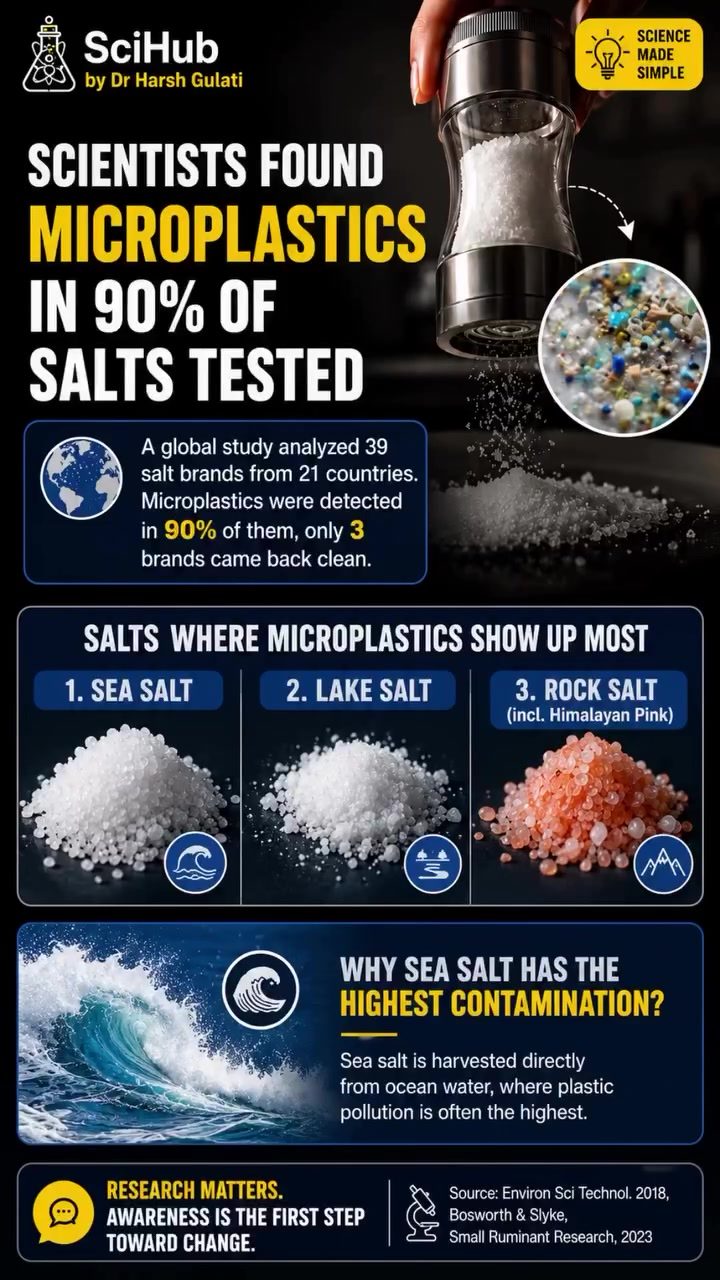
Microplastics, tiny plastic particles smaller than 5 millimeters, have infiltrated various aspects of our environment and food supply, including salt. A global study published in Environmental Science & Technology underlines this reality, revealing that nearly 90% of 39 commercial salt brands from 21 countries tested positive for microplastics. Conducted by scientists, this research aims to shed light on the prevalence of microplastic pollution in our food system.
Context: Why This Matters
The presence of microplastics in salt is more than just an environmental concern; it reflects the broader issue of plastic pollution in the oceans. Salt, a staple in most diets, is derived from seawater, lake water, or underground deposits. When microplastics are found in these sources, they inevitably become part of the salt we consume. This highlights the need for a deeper understanding of plastic pollution and its implications for human health.
Main Discussion
The Study: Methodology and Findings
The global study analyzed 39 salt brands from 21 countries, detecting microplastics in 90% of the samples. Only three brands showed no detectable levels of microplastics. The research focused on three main types of salt: sea salt, lake salt, and rock salt, including Himalayan pink salt. The findings indicated that sea salt had the highest levels of microplastic contamination, followed by lake salt, and then rock salt. This variation is due to the harvesting process: sea salt is directly sourced from ocean water, where plastic pollution is most concentrated.
Types of Salt and Microplastic Contamination
Sea Salt
Sea salt, harvested directly from ocean water, showed the highest levels of microplastic contamination. Ocean water is a significant repository of plastic pollution, with microplastics originating from the breakdown of larger plastic waste, synthetic textiles, tire wear, industrial processes, and personal care products. When sea salt is harvested, these microplastics are inevitably included, making it a primary source of microplastic ingestion.
Lake Salt
Lake salt showed intermediate levels of microplastic contamination. While lake water may not have as high a concentration of microplastics as ocean water, it is still affected by plastic pollution, particularly from industrial and agricultural runoff. This makes lake salt another significant source of microplastic ingestion, though generally less contaminated than sea salt.
Rock Salt
Rock salt, including Himalayan pink salt, generally contained fewer microplastics. Harvested from underground deposits, rock salt is less exposed to environmental pollution compared to sea and lake salts. However, contamination was still detected in some samples, indicating that plastic pollution can affect even underground sources.
Practical Tips
While it's challenging to completely avoid microplastics in our daily lives, there are practical steps that can help reduce exposure:
Dietary Choices
- High-Quality Food Products: Opt for high-quality, organic food products whenever possible. These products are often less likely to have been contaminated during processing.
- Food Storage: Store food in glass or stainless steel containers instead of plastic. This reduces the risk of microplastics leaching into your food.
Reducing Plastic Use
- Single-Use Plastics: Reduce the use of single-use plastics, such as bags, bottles, and containers. Opt for reusable alternatives instead.
- Plastic Containers: Avoid heating food in plastic containers, as this can increase the likelihood of microplastics entering your food.
Environmental Awareness
- Support Environmental Efforts: Support initiatives aimed at reducing plastic pollution in oceans and landfills. This includes advocating for better waste management practices, recycling, and reducing plastic waste.
- Sustainable Products: Choose products that use sustainable packaging and support companies that prioritize environmental protection.
Important Takeaways
- Prevalence of Microplastics: Microplastics are pervasive, found in various forms of salt and other food products. This highlights the extent of plastic pollution in our environment.
- Sources of Contamination: Sea salt is the most contaminated due to its direct source from ocean water. Lake salt and rock salt also show contamination, albeit to a lesser extent.
- Reducing Exposure: Simple steps like choosing high-quality food products and reducing single-use plastics can help mitigate exposure to microplastics.
Conclusion
The global study by Environmental Science & Technology underscores the pervasive nature of microplastics in our food system, particularly in salt. While the findings are concerning, they also emphasize the importance of individual and collective efforts to reduce plastic pollution. By choosing high-quality food products, reducing single-use plastics, and supporting environmental initiatives, we can contribute to cleaner oceans and healthier ecosystems. Understanding the extent of microplastic contamination in our food system is the first step towards addressing this issue.
Watch the Reel
Questions readers ask
Which salt brands were found to contain microplastics?
The study tested 39 commercial salt brands from 21 countries, and 90% of them were found to have microplastics. Specific brands were not named in the article, but the findings indicate that the issue is widespread across different salt brands globally.
How do microplastics get into salt?
Microplastics enter salt through the contamination of seawater, lake water, or underground deposits from which salt is obtained. This reflects the broader issue of plastic pollution in our oceans and water sources.
What are the potential health implications of consuming microplastics in salt?
The health implications of consuming microplastics in salt are not yet fully understood. However, it is a concern because salt is a dietary staple. More research is needed to assess the potential risks to human health.
Were there any salt brands that were free from microplastics?
Yes, the study found that 10% of the 39 salt brands tested did not contain microplastics. This suggests that it is possible to produce salt without microplastic contamination, although the specifics of these brands were not detailed in the article.
Which countries were included in the study on microplastics in salt?
The study included salt brands from 21 countries, highlighting the global nature of this issue. The presence of microplastics in salt from such a wide range of countries underscores the need for international efforts to address plastic pollution.
How small are the microplastics found in salt?
Microplastics are defined as plastic particles smaller than 5 millimeters. This means they are tiny and can easily be ingested without detection, making their presence in salt a significant concern.
What types of salt were tested in the study?
The study tested various types of salt, including sea salt, lake salt, and salt from underground deposits. Microplastics were found in all three types, indicating that the source of the salt does not necessarily protect it from contamination.
Related deep dives
Similar reads based on topic and creator.

Recent articles
Fresh deep dives from the latest Reels we unpacked.




Comments
Be the first to comment.