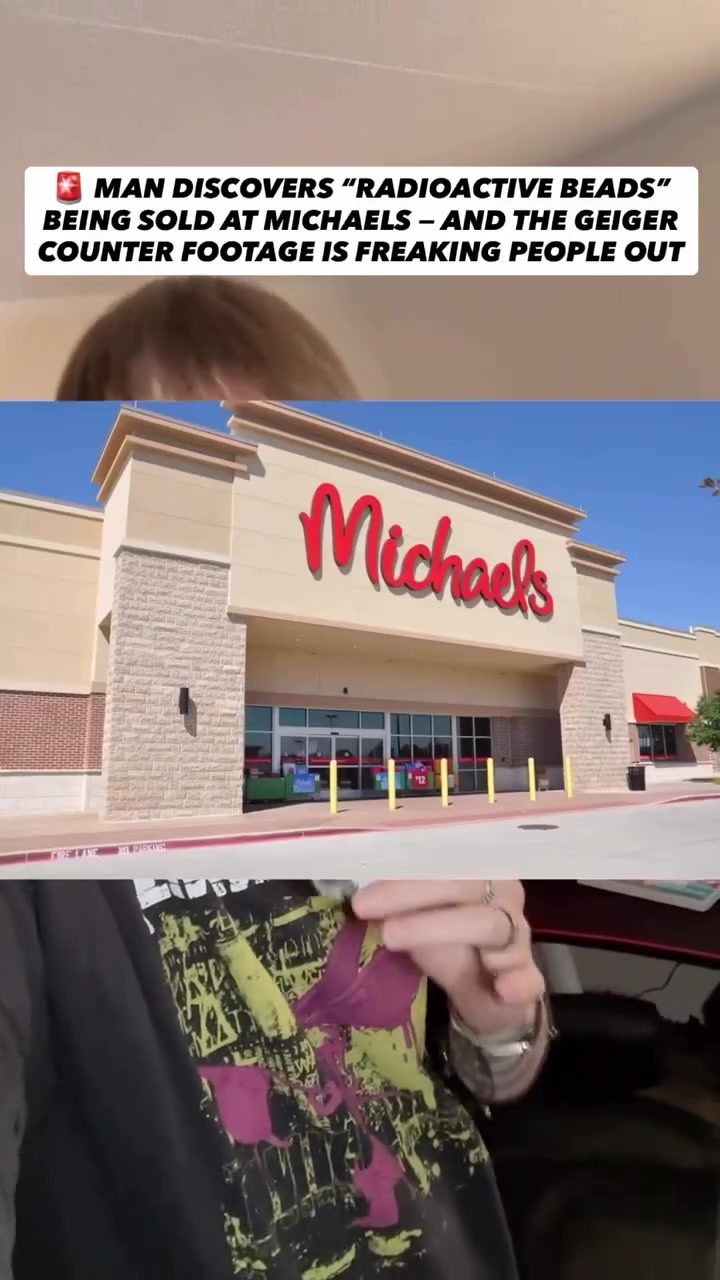
Radioactive Beads Found at Michaels Craft Store
Radioactive beads have been discovered in a Michaels craft store, sparking concerns about radiation exposure and appropriate labeling. A person found these potentially harmful items while shopping, highlighting the need for proper labeling and awareness of radioactive materials in everyday products.
Why this matters
Craft supplies, particularly beads, are a staple in many households for various DIY projects, jewelry making, and educational activities. Understanding the potential risks and proper handling of such materials is crucial for the safety of consumers, especially children and hobbyists who frequently use these supplies.
Main Discussion
The Discovery of Radioactive Beads
A person investigating craft supplies at a Michaels store discovered beads that appear to be made of uranium glass. Uranium glass, also known as Vaseline glass, is a type of glass that contains uranium oxide, which can emit low levels of radiation. This discovery raises significant questions about the safety of such items in retail stores.
Initial Observations
The individual in question had initially dismissed the idea of radioactive beads being sold at Michaels, as it seemed implausible. However, after seeing a post on Reddit and deciding to verify the claim, they conducted an investigation. Using a UV light, they found that one of the bottles of beads did indeed glow, an indicator of the presence of uranium.
Geiger Counter Readings
Upon further investigation, the person used a Geiger counter to measure the radiation levels of the beads. The readings went from around 40 counts per minute (CPM) to over 500 CPM, a significant increase. This high level of radiation indicates that the beads contain uranium, a radioactive element.
Labeling and Safety Concerns
One of the most alarming aspects of this discovery is the lack of proper labeling. The radioactive beads were found on the shelf without any warning labels indicating their radioactive properties. This absence of labeling poses a significant risk to consumers, as they may unintentionally handle or purchase these materials without being aware of the potential hazards.
Historical Context of Uranium Glass
Uranium glass has a rich history, dating back to the late 19th and early 20th centuries. It was popular for its translucent greenish-yellow color, often used in decorative items, glassware, and even children's toys. The use of uranium in glass production was phased out in the mid-20th century due to concerns about radioactivity, but vintage uranium glass items can still be found in antique stores and online marketplaces.
Practical Tips
How to Identify Uranium Glass
Uranium glass can be identified through its distinctive properties, such as its unique color and fluorescence under UV light. If you suspect an item may contain uranium, it is essential to handle it with care and avoid prolonged exposure. Always use proper protective measures, such as gloves and a face mask, when handling potentially radioactive materials.
Handling Radioactive Items
If you encounter radioactive items, it is best to avoid handling them directly. Use appropriate personal protective equipment (PPE) and keep the items contained in a sealed container. Consult with a professional or contact local health authorities for guidance on safe disposal methods.
Shops and Craft Stores
For craft stores and retailers, it is crucial to ensure that all products are properly labeled, especially those containing radioactive materials. Providing clear warnings and handling instructions can help protect consumers from potential risks.
Important Takeaways
Consumer Awareness
Consumers should be aware of the potential presence of radioactive materials in everyday items, such as beads and glassware. Always read product labels and packaging carefully, and if in doubt, avoid purchasing or handling items with unknown origins.
Retailer Responsibilities
Retailers have a responsibility to ensure the safety of their products. Proper labeling and clear warnings should be provided for any items that contain radioactive materials. Stores should also be vigilant in monitoring their inventory for potentially dangerous items.
Precautions for Handling
Handling radioactive items requires precautions and protective measures. Always use gloves, face masks, and other PPE when handling such materials. Keep items contained in sealed containers and dispose of them following local regulations.
Conclusion
The discovery of radioactive beads at Michaels highlights the importance of proper labeling and consumer awareness. Uranium glass, while historically significant, poses potential health risks due to its radioactive properties. Retailers and consumers alike must be vigilant in identifying and handling such materials to ensure safety. By taking appropriate precautions and following safety guidelines, we can mitigate the risks associated with radioactive materials in everyday products.
Watch the Reel
Questions readers ask
What should I do if I suspect I have radioactive beads at home?
First, avoid direct contact with the beads. Store them in a sealed container and away from children and pets. Contact your local health department or environmental agency for guidance on safe disposal. Do not attempt to handle or dispose of them yourself to prevent any potential exposure to radiation.
How can I detect if a craft item contains radioactive materials?
To detect radiation, use a Geiger counter or a similar radiation detection device. These tools can measure the level of radiation emitted by an object. If you don't have access to a Geiger counter, avoid handling suspicious items and consult with a professional who has the necessary equipment.
Are there any regulations for radioactive materials in craft supplies?
Regulations vary by region, but generally, manufacturers are required to label products containing radioactive materials and follow safety guidelines. Consumers should look for clear labeling and comply with any safety instructions provided. If in doubt, contact the manufacturer or a regulatory agency for clarification.
What are the health risks of uranium exposure from craft beads?
Exposure to uranium, particularly through ingestion or inhalation, can lead to various health issues. These include kidney damage, cancer, and other serious illnesses. Prolonged exposure to high levels of radiation can also cause radiation sickness, which affects multiple organs in the body.
How does Michaels plan to address the safety concerns raised by the discovery of radioactive beads?
Michaels Craft Store has a responsibility to ensure the safety of its products. They should conduct a thorough investigation to identify the source of the radioactive beads and recall any affected products. Additionally, Michaels should implement stricter safety protocols for inventory management and labeling to prevent similar incidents in the future.
What steps can I take to ensure the safety of my craft supplies?
Regularly inspect your craft supplies for any unusual characteristics, such as unusual weight or color. Keep a Geiger counter or similar detection device handy if you frequently purchase or handle materials from unknown sources. When purchasing from craft stores, look for clear labeling and avoid buying items with questionable labels or origins.
Should I be concerned about radioactive materials in other craft stores as well?
While this incident occurred at Michaels, it highlights a broader issue. Similar safety concerns may exist in other craft stores. Always prioritize safety by checking product labels, avoiding suspicious items, and using detection tools when possible. If you have specific concerns, contact the store's customer service for more information.
Recent articles
Fresh deep dives from the latest Reels we unpacked.




Comments
Be the first to comment.