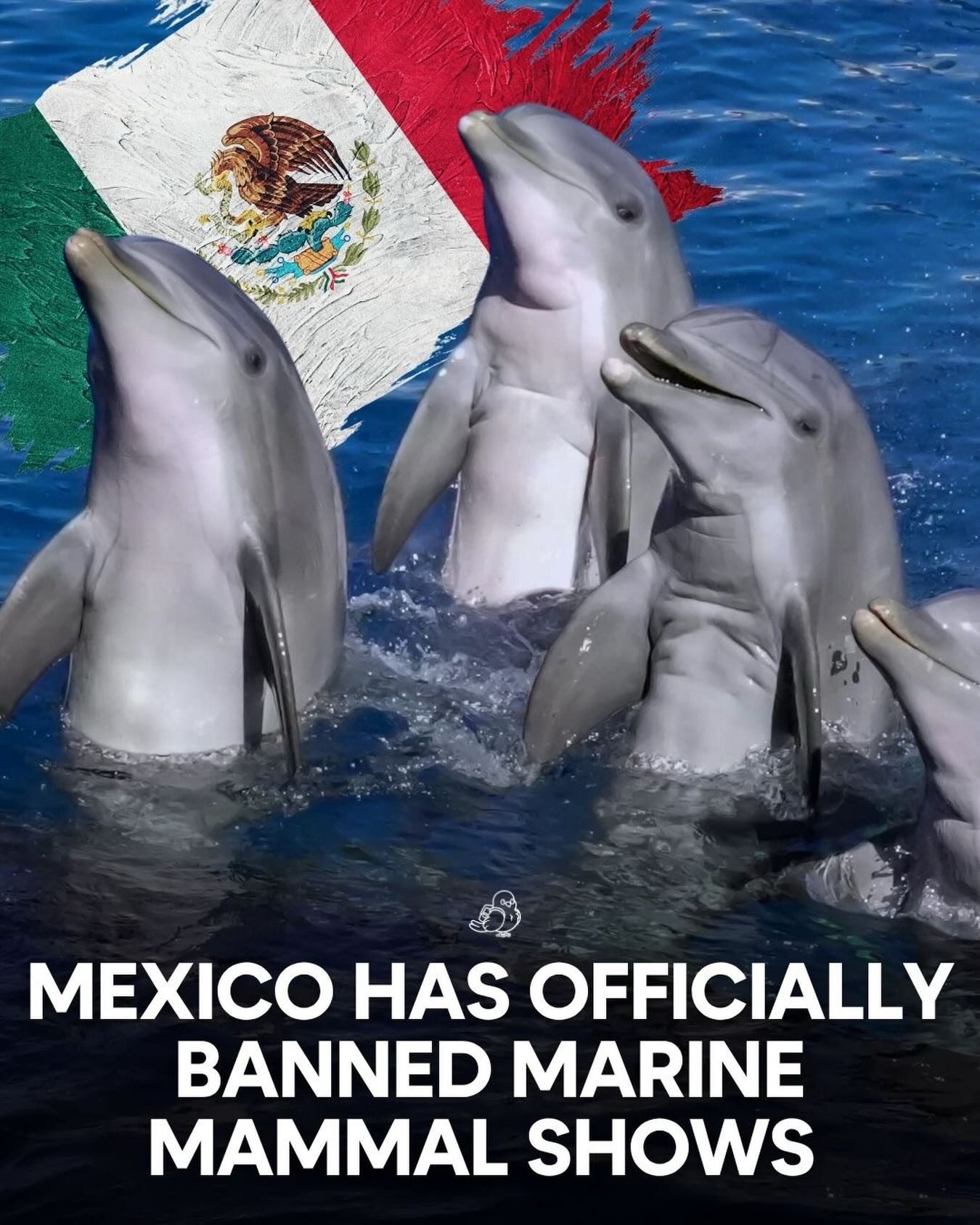
Mexico's Comprehensive Ban on Marine Mammal Shows
Mexico's historic move to ban marine mammal shows marks a significant milestone in animal welfare. The country has taken a strong stance against the use of dolphins and other marine mammals in entertainment, therapy, research, and non-conservation activities. This groundbreaking legislation, known as "Ley Mincho," signifies a major shift in how Mexico protects its wildlife.
Context / Why this matters
The ban wasn't enacted in isolation. It was driven by a specific incident that captured national attention. A dolphin severely injured during a performance at the Barceló Maya Grand Resort in Quintana Roo sparked public outcry and prompted a national conversation about animal welfare. This incident highlighted the ethical concerns surrounding marine mammal shows and catalyzed a push for legislative change. President Claudia Sheinbaum, the first woman president of Mexico, signed the bill into law shortly after its unanimous passage in the Senate.
Main discussion
The Scope of the Ban
The new law, Ley Mincho, amends Mexico’s General Wildlife Law to prohibit the use of dolphins and other marine mammals in various settings. This includes not only entertainment but also therapy, research, and any activity that is not primarily focused on conservation. The legislation goes even further by banning captive breeding entirely, ensuring that no new generations of marine mammals are born into captivity.
Timeline and Implementation
The law stipulates that all dolphinariums must shut down and relocate their animals to seaside sanctuaries within 18 months. This deadline provides a clear timeline for transitioning away from captivity and towards more humane conditions. The relocation to seaside sanctuaries is a significant step toward providing marine mammals with a more natural and less stressful environment. This move aligns Mexico with other leading countries in Latin America, such as Costa Rica and Chile, which have also taken steps to end marine mammal exploitation.
Public Reaction and Support
The public's response to the ban has been overwhelmingly positive. The incident at the Barceló Maya Grand Resort galvanized public support for stricter animal welfare laws. Many saw the injury to the dolphin as a stark reminder of the ethical issues surrounding marine mammal captivity and the need for legislative action. The unanimous vote in the Senate and the swift signing by the President reflect the broad support for this legislation across different sectors of Mexican society.
Global Context
Mexico’s decision to ban marine mammal shows places it at the forefront of a growing global movement against the exploitation of these animals. Other regions and countries are also recognizing the importance of animal welfare and the ethical implications of keeping marine mammals in captivity. This movement is part of a larger shift in public perception and policy towards more humane treatment of wildlife.
Practical tips
For those interested in contributing to animal welfare and conservation efforts, there are several practical steps you can take:
-
Support Local and International Conservation Organizations: Many organizations work tirelessly to protect marine mammals and promote their welfare. Supporting these groups through donations or volunteer work can make a significant difference.
-
Advocate for Policy Changes: Engage with local and national policymakers to advocate for stronger animal welfare laws. Your voice can help shape future legislation and ensure that the rights of marine mammals are protected.
-
Educate Others: Share information about the ethical issues surrounding marine mammal captivity with friends, family, and your community. Raising awareness can foster greater support for conservation efforts and animal welfare initiatives.
-
Promote Eco-Tourism: Consider supporting eco-friendly tourism options that prioritize the welfare of marine mammals. This can include visiting sanctuaries or participating in responsible wildlife viewing activities that do not involve captivity.
Important takeaways
The ban on marine mammal shows in Mexico is a significant victory for animal welfare and conservation. Here are the key takeaways from this historic decision:
-
Ethical Considerations: The ban highlights the ethical concerns surrounding the use of marine mammals in entertainment, therapy, and research. It underscores the importance of considering the welfare and well-being of these animals.
-
Public Support: The unanimous vote and swift passage of the law reflect the strong public support for animal welfare in Mexico. This support was driven by a specific incident that brought national attention to the issue.
-
Legislative Impact: The ban amends Mexico’s General Wildlife Law, setting a precedent for other countries to follow. It provides a comprehensive framework for protecting marine mammals and promoting their conservation.
-
Global Movement: Mexico’s decision is part of a broader global movement towards ending the exploitation of marine mammals. It aligns the country with other leaders in animal welfare and conservation efforts.
-
Future of Marine Mammals: The relocation of marine mammals to seaside sanctuaries within 18 months is a significant step towards providing them with a more natural and less stressful environment. This move ensures that future generations of marine mammals will be protected from captivity.
Conclusion
Mexico's ban on marine mammal shows is a historic and decisive step towards protecting these magnificent creatures. This legislation not only addresses the ethical issues surrounding their captivity but also sets a global precedent for animal welfare and conservation. As Mexico joins a growing movement to end the exploitation of marine mammals, it inspires other nations to follow suit and prioritize the well-being of these incredible animals.
Watch the Reel
Questions readers ask
What is the Ley Mincho legislation in Mexico?
Ley Mincho is a comprehensive legislation in Mexico that prohibits the use of marine mammals, such as dolphins, in entertainment, therapy, and non-conservation research, as well as captive breeding. It was named after the dolphin 'Mincho' who died after sustaining a severe injury during a performance, prompting a national conversation about animal welfare.
Why did Mexico ban marine mammal shows?
Mexico implemented the ban on marine mammal shows primarily due to ethical concerns that arose after a high-profile dolphin injury at the Barceló Maya Grand Resort. This incident sparked public outcry and led to a significant shift in the country's approach to wildlife protection and animal welfare.
Which activities are prohibited under the Mexican marine mammal ban?
The ban, known as Ley Mincho, prohibits the use of marine mammals in shows, therapy sessions, research that is not related to conservation, and captive breeding. It covers a wide range of activities to ensure the protection and welfare of marine mammals in Mexico.
How does the Ley Mincho legislation impact Mexican wildlife?
Ley Mincho significantly impacts Mexican wildlife by providing a strong legal framework to protect marine mammals from exploitation for entertainment, therapy, and breeding purposes. The legislation aims to promote conservation and enhance the welfare of marine mammals in Mexico.
Was there a specific event that led to the implementation of Mexico's marine mammal show ban?
Yes, a key event was the severe injury of a dolphin named Mincho during a performance at the Barceló Maya Grand Resort in Quintana Roo. This incident garnered national attention and public sympathy, leading to the enactment of Ley Mincho to prevent similar occurrences and promote better animal welfare standards.
What initiatives are in place for the conservation of Mexican marine life following the ban?
Ley Mincho prioritizes conservation efforts by prohibiting activities that do not directly contribute to the conservation of marine mammals. This encourages research, breeding, and therapy initiatives that support the well-being and preservation of marine life in Mexico.
Related deep dives
Similar reads based on topic and creator.

Recent articles
Fresh deep dives from the latest Reels we unpacked.




Comments
Be the first to comment.