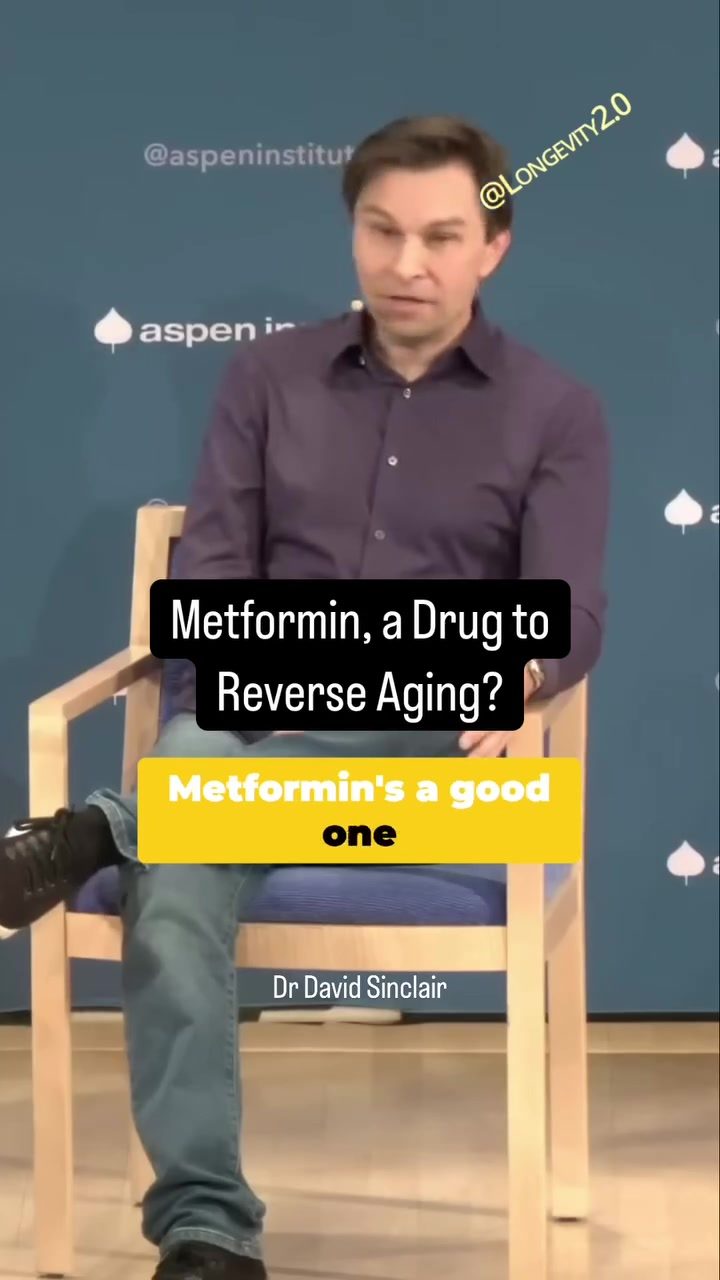
Metformin and Its Potential to Slow Aging
Metformin, a widely prescribed medication for type 2 diabetes, is gaining attention for its potential to slow diseases of aging. This topic has sparked interest due to its affordability and the promising evidence suggesting it could combat various age-related conditions.
Why this Matters
The quest to understand and potentially slow the aging process is a critical area of research. Aging is linked to a range of health issues, from cancer to heart disease and frailty. If a widely available and inexpensive drug like Metformin can mitigate these risks, it could have profound implications for public health and longevity.
Main Discussion
Metformin's Background
Metformin is a first-line treatment for type 2 diabetes, taken by tens of millions of people globally. It is known for its ability to lower blood sugar levels and improve insulin sensitivity. Beyond its primary use, recent studies suggest that Metformin may offer broader health benefits, particularly in slowing down diseases of aging.
Metformin’s potential to slow aging isn't just a theoretical idea. There is some good evidence to support this claim. Some studies indicate that Metformin can reduce the risk of age-related conditions like heart disease, cancer, and frailty. This makes it an attractive candidate for off-label use in anti-aging research.
The Challenge of Placebo-Controlled Trials
Despite the promising evidence, proving Metformin's anti-aging effects through placebo-controlled trials has been challenging. Such trials are crucial for establishing a causal link between Metformin use and slowed aging, rather than just an association. However, conducting these studies requires significant financial investment, typically around 25 million dollars.
The difficulty in raising funds for these trials has been a major obstacle. Over the past seven years, researchers have struggled to secure the necessary funding. This financial hurdle means that while there is a strong interest in Metformin's potential, the data to support its use as an anti-aging drug is still limited.
Dr. David Sinclair on Metformin
Dr. David Sinclair, a renowned scientist in the field of aging and longevity, has weighed in on the topic. Sinclair highlights that Metformin is more than just a diabetes drug; it has the potential to slow aging. His expertise adds credibility to the growing body of research on Metformin's anti-aging properties.
Sinclair emphasizes the need for more comprehensive studies to fully understand Metformin's benefits. He calls for increased investment in research to bridge the gap between current evidence and clinically proven anti-aging effects. His insights underscore the importance of continued exploration in this field.
The Role of Aspen in Aging Research
Aspen, a key player in the health industry, has been involved in promoting discussions around Metformin and aging. Their efforts to bring attention to this topic highlight the broader interest in leveraging existing medications for new health benefits. Aspen’s involvement in these discussions underscores the potential impact of Metformin on public health.
Off-Label Use and Future Directions
Metformin's off-label use for anti-aging purposes is becoming more common, driven by the drug’s affordability and the promising research findings. However, the lack of definitive clinical trials means that while some people may experience benefits, the broader health community awaits more conclusive evidence.
Practical Tips
Conversations With Health Professionals
If you're considering Metformin for its potential anti-aging benefits, it's essential to discuss this with a healthcare provider. They can provide guidance based on your individual health profile and help you weigh the potential benefits against any risks.
Stay Informed
Keep an eye on the latest research and clinical trials related to Metformin and aging. The field is rapidly evolving, and new findings could provide more clarity on how Metformin affects aging and overall health.
Lifestyle Choices
In addition to considering medications like Metformin, focus on a balanced lifestyle. Regular exercise, a healthy diet, and stress management can all contribute to better health and longevity.
Important Takeaways
- Potential Benefits: Metformin, a widely used diabetes drug, shows promise in slowing diseases of aging, including cancer, heart disease, and frailty.
- Funding Challenges: Conducting placebo-controlled trials to prove Metformin's anti-aging effects has been hindered by the lack of sufficient funding.
- Expert Insights: Dr. David Sinclair and organizations like Aspen are advocating for more research into Metformin’s potential benefits.
- Caution and Consultation: While Metformin’s off-label use is increasing, it’s crucial to consult with healthcare professionals before making any changes to your medication regimen.
Conclusion
The potential of Metformin to slow aging is an exciting area of research with significant implications for public health. While challenges remain, particularly in securing the funds for comprehensive clinical trials, the existing evidence and expert insights offer a promising outlook. As research progresses, Metformin could emerge as a valuable tool in the quest for healthier, longer lives.
Watch the Reel
Questions readers ask
How does Metformin potentially slow the aging process?
Metformin is believed to slow the aging process by activating an enzyme called AMPK, which plays a role in cellular energy metabolism. This activation can influence various pathways that are linked to aging and longevity, such as reducing inflammation and improving cellular health.
What are the potential benefits of Metformin beyond managing type 2 diabetes?
In addition to managing type 2 diabetes, Metformin has been shown to potentially reduce the risk of heart disease, cancer, and other age-related conditions. Its affordability makes it an attractive option for further research into these areas.
Are there any side effects associated with Metformin?
While generally well-tolerated, Metformin can cause side effects such as gastrointestinal issues, including diarrhea, nausea, and stomach pain. In rare cases, it may also lead to a serious condition called lactic acidosis, particularly in individuals with kidney problems.
What do recent clinical trials reveal about Metformin and longevity?
Recent clinical trials, such as the TARGET study, have shown promising results. The study indicated that Metformin could potentially extend lifespan and improve health in individuals without diabetes, although further research is needed to confirm these findings.
How affordable is Metformin compared to other anti-aging drugs?
Metformin is highly affordable, with generic versions being quite inexpensive. This makes it a cost-effective option for both diabetes management and potential anti-aging benefits, especially when compared to other drugs in clinical trials.
Can Metformin be used for people without diabetes?
Metformin is primarily prescribed for type 2 diabetes, but there is growing interest in its use for people without diabetes due to its potential anti-aging benefits. Ongoing research aims to determine the safety and efficacy of off-label use for longevity and health improvement.
What types of age-related conditions might Metformin help prevent?
Metformin has been studied for its potential to reduce the risk of various age-related conditions, including heart disease, certain types of cancer, and frailty. By targeting underlying biological processes, Metformin could offer a multi-faceted approach to promoting healthier aging.
Recent articles
Fresh deep dives from the latest Reels we unpacked.




Comments
Be the first to comment.