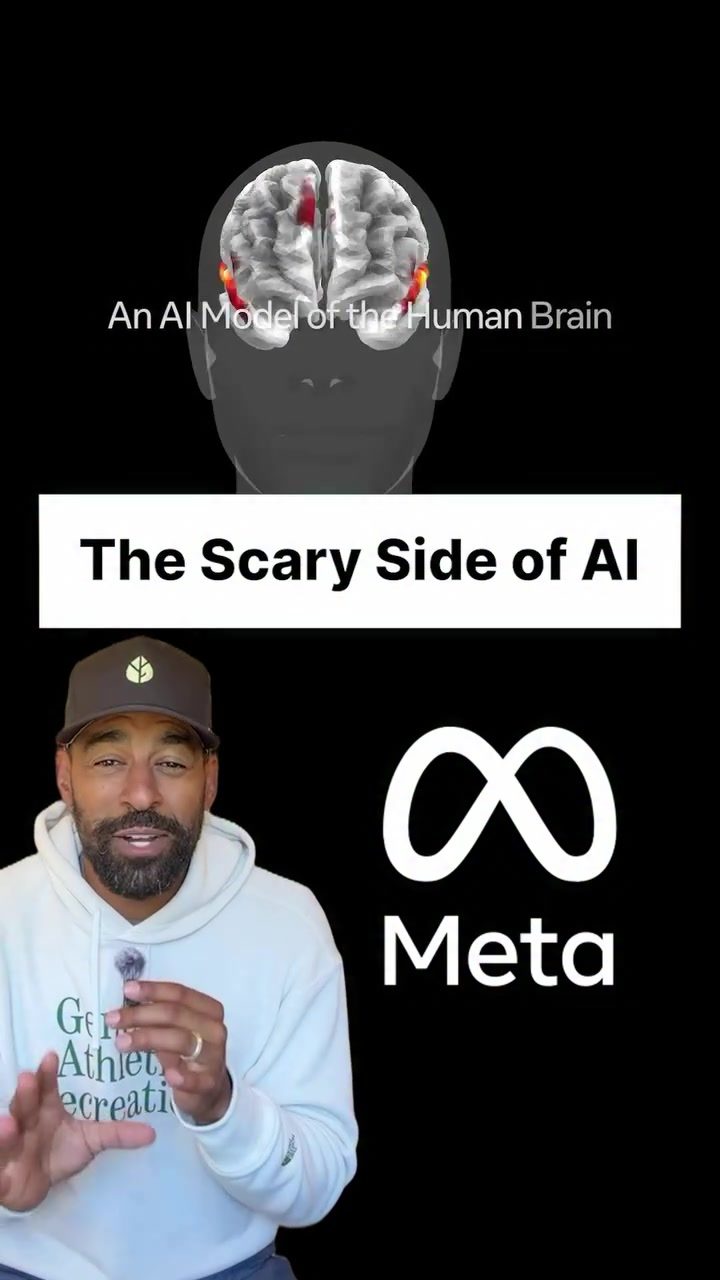
AI Models and Brain Scans: The Interface of Neuroscience and Technology
AI models are now capable of predicting how content affects the brain before it is experienced, revolutionizing the field of neuroscience and raising important ethical considerations.
What is Tribe 2?
Meta's AI model, Tribe 2, has been trained on an extensive dataset comprising 500 hours of MRI brain scans from 700 individuals. This groundbreaking tool analyzes various forms of content—including videos, audio clips, and text—to predict and map out how the human brain will respond. Specifically, it quantifies amygdala activation, prefrontal suppression, and emotional hijacking signatures, making these responses readable and measurable in just seconds.
The Potential and Risks
The primary purpose of Tribe 2, as stated, is to advance neuroscience research, enhance the understanding of brain function, and accelerate treatments for neurological diseases. However, the implications of this technology extend far beyond medical applications. If content creators and advertisers can predict how their material will affect brain activity, they can tailor content to elicit specific emotional responses.
This capability has profound implications for industries such as advertising and politics. Advertisers can now test content against neural engagement patterns without relying on traditional focus groups. Political campaigns can design messaging to maximize emotional impact, potentially influencing public opinion on a large scale.
Ethical Concerns and Manipulation
While the potential benefits of Tribe 2 are significant, the ethical risks are equally concerning. The ability to manipulate emotional responses—such as anger, fear, outrage, desire, and compulsion—raises serious questions about exploitation and manipulation. The internet is already designed to keep users' attention, and now, with AI models like Tribe 2, it is possible to optimize content for addiction at a neurological level. This means that marketers and political operatives could use this technology to create highly targeted, emotionally charged content designed to influence behavior and perception.
It's clear that the dual nature of AI technology, as seen in Tribe 2, presents both significant opportunities and substantial risks. On one hand, it allows for groundbreaking advancements in neuroscience and could revolutionize how neurological diseases are treated. On the other, it could be misused to manipulate and control public opinion and behavior.
Applications and Ethical Considerations
The implications of Tribe 2 are vast and far-reaching:
Medical Research
Trained on 500 hours of MRI scans from 700 people, Tribe 2 can provide unprecedented insights into brain function and disease. This data could help researchers develop more effective treatments for neurological disorders, improving the lives of millions.
Advertising
Advertisers can now test creative content against neural engagement patterns, which means they can design ads that are more likely to resonate with their target audience. This could lead to more effective marketing campaigns and higher engagement rates.
Political Campaigns
Political messaging can be engineered to maximize emotional impact, potentially leading to more persuasive campaigns. While this could be beneficial for spreading important information, it also raises concerns about manipulation and the spread of misinformation.
Practical Tips for Navigating This Technology
Given the potential for misuse, it's crucial to remain vigilant and informed about how AI is being used. Here are some practical tips to navigate this evolving landscape:
Stay Informed
Keep up-to-date with the latest developments in AI and neuroscience. Understanding the capabilities and potential risks of AI technologies like Tribe 2 can help you make more informed decisions about how to engage with content.
Be Critical
Always question the motivations behind the content you consume. Consider the source and the intent behind the information being presented. If something seems designed to elicit a strong emotional response, take a step back and evaluate it critically.
Support Ethical Use
Advocate for the responsible use of AI in neuroscience and other fields. Encourage companies and organizations to prioritize ethical considerations in their use of AI technology. Also, when possible, support research and initiatives that aim to use AI for the greater good.
Important Takeaways
Understanding AI Capabilities
AI models like Tribe 2 are capable of predicting and mapping brain responses to various forms of content. This technology has the potential to revolutionize neuroscience and offers new opportunities for advertising and political messaging.
Ethical Considerations
The dual nature of AI technology presents both opportunities and risks. It's important to consider the ethical implications of using AI to manipulate emotional responses and ensure that it is used responsibly.
Staying Informed
By staying informed and critical, you can make more informed decisions about how to engage with content and support the ethical use of AI technology.
Watch the Reel
Questions readers ask
How does Meta's Tribe 2 model work?
Trib 2 utilizes an extensive dataset of 500 hours of MRI brain scans from 700 individuals. The model analyzes various types of content, such as videos, audio clips, and text, to predict and map out brain responses in just seconds. It focuses on quantifying specific brain activities, including amygdala activation, prefrontal suppression, and emotional hijacking signatures.
What kind of insights can be gained from using Tribe 2?
Using Tribe 2 can provide deep insights into how different types of content influence the brain. It allows researchers to understand the emotional and cognitive impacts of various stimuli, which can be beneficial for creating more engaging and less harmful content. However, it also presents ethical challenges that must be carefully considered.
What are the ethical considerations related to Meta's AI brain scan model?
The use of AI to predict brain responses to content raises significant ethical concerns. It is crucial to consider issues related to consent, privacy, and the potential misuse of this technology. Additionally, content creators must be mindful of the influence their work might have on audiences, which might be manipulated through this AI tool.
How does Tribe 2 benefit the field of neuroscience?
Trib 2 offers a new way to study brain responses to different stimuli, which can accelerate research in neuroscience. By providing a faster and more efficient method to measure brain activities, it allows scientists to explore how the brain processes content, potentially leading to new discoveries and applications.
What are some potential risks associated with Tribe 2?
One of the primary risks is the misuse of this technology for manipulative purposes. Content creators might use Tribe 2 to tailor content that maximizes desired emotional responses without considering the potential harm to viewers. Additionally, there are concerns about data privacy and the ethical implications of predicting and influencing brain responses.
Can Tribe 2 be used to predict responses to any type of content?
Yes, Tribe 2 is designed to analyze a wide range of content types, including videos, audio clips, and text. This versatility makes it a powerful tool for researchers and content creators, as it can provide insights into how different forms of media affect the brain.
What specific brain activities does Tribe 2 measure?
Trib 2 focuses on measuring amygdala activation, prefrontal suppression, and emotional hijacking signatures. These metrics help quantify the emotional and cognitive impacts of content on the brain, providing a detailed map of how different stimuli are processed.
Related deep dives
Similar reads based on topic and creator.



Recent articles
Fresh deep dives from the latest Reels we unpacked.




Comments
Be the first to comment.