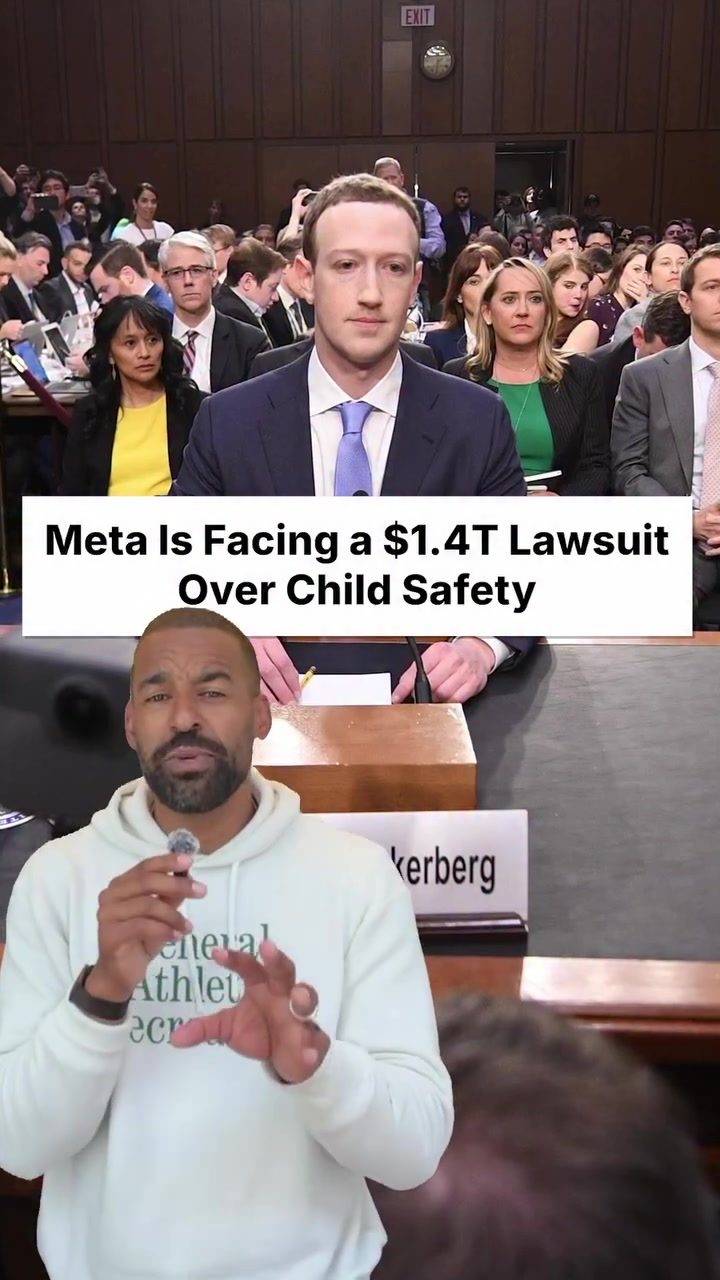
Meta's $1.4 Trillion Lawsuit: The Legal Battle Over Child Safety and Social Media
Four states—California, Colorado, Kentucky, and New Jersey—are suing Meta for $1.4 trillion. This legal battle is unprecedented in the tech industry, but the money isn't the central issue. The real story is about accountability and the impact of social media on children.
Why This Matters
The trial, scheduled to start in August in Oakland, revolves around a simple yet impactful argument: Meta knew that Facebook and Instagram were harming children, and they built their products to maximize engagement despite this knowledge. The states argue that algorithms are products, and if a product harms people, the company is liable. This argument, if successful, could reshape the social media landscape, forcing age verification, limits on recommendation algorithms for minors, and greater legal liability for engagement-driven design.
The Legal Landscape
To understand the potential implications, consider historical precedents. After tobacco companies were forced to admit that cigarettes caused cancer, the industry was fundamentally restructured. Similar shifts occurred after opioid manufacturers were held accountable and car companies were required to add seatbelts. A major loss for Meta could lead to significant changes in how social media platforms operate, particularly in regards to child safety and engagement-driven design.
The Argument: Algorithms as Products
The states are arguing that an algorithm is a product. This argument is significant because, if successful, it could set a precedent for holding social media companies accountable for the harm their algorithms cause. Currently, this type of legal argument has not been successfully made about a social media platform. It could lead to greater scrutiny and regulation of social media companies, forcing them to prioritize user well-being over engagement metrics.
The Impact on Other Platforms
The lawsuit against Meta doesn't stop at one company. TikTok, YouTube, and Snapchat are all facing nearly identical lawsuits. A legal expert has called this an existential threat to the social media industry. The outcome of these lawsuits could have far-reaching consequences, potentially changing how all social media platforms operate and are regulated.
Meta's Defense
Meta has called the $1.4 trillion figure "without precedent in consumer protection law." While the math may be on Meta's side, the legal battle is about more than just the money. It's about holding algorithms accountable for what they do to people.
The Bigger Picture
The lawsuit is part of a larger conversation about the impact of social media on mental health, particularly among young people. Meta's tribe model, the AI that predicts what content does to your brain, and the "lonely generation" of Gen Z reporting historic levels of isolation are intertwined. These issues are not separate stories but part of the same narrative about the psychological impact of social media.
Practical Tips
While the legal battle unfolds, here are some practical tips for parents and guardians:
- Monitor Usage: Keep an eye on how much time your children spend on social media platforms. Set limits and encourage offline activities.
- Open Communication: Talk to your children about the potential risks and benefits of social media. Encourage them to share their experiences and concerns.
- Use Parental Controls: Utilize parental control features offered by social media platforms to restrict access and monitor activity.
- Promote Digital Wellness: Encourage healthy digital habits, such as taking breaks from screens and engaging in physical activities.
Important Takeaways
- Accountability: The lawsuit highlights the need for greater accountability in the design and operation of social media algorithms.
- Child Safety: The focus on child safety underscores the importance of protecting young users from potential harm.
- Industry Impact: The outcome of this lawsuit could have far-reaching implications for the entire social media industry, potentially leading to new regulations and standards.
- Public Awareness: The legal battle brings attention to the broader conversation about the mental health impact of social media on young people.
Conclusion
The lawsuit against Meta is more than just a legal battle; it's a pivotal moment in the tech industry. The question of whether algorithms can and should be held accountable for their impact on people is at the forefront. Regardless of the outcome, this case will likely reshape how social media platforms are designed and regulated, with a greater emphasis on user well-being and child safety.
Watch the Reel
Questions readers ask
Which four states are involved in the $1.4 trillion lawsuit against Meta?
The states involved in the lawsuit are California, Colorado, Kentucky, and New Jersey. They are taking legal action against Meta to address the impact of social media on children and to hold the company accountable.
What is the main argument presented by the states in the lawsuit against Meta?
The primary argument is that Meta knew about the harm that Instagram and Facebook can cause to children, but prioritized engagement metrics over safety. The states argue that because algorithms are a product, if they cause harm, the company is liable.
What is the scheduled start date for the Meta trial and where will it take place?
The trial is set to begin in August. It will be held in Oakland. This legal battle is significant because it challenges the accountability of tech companies in ensuring the safety of their users, especially children.
Can the outcomes of this lawsuit affect the social media landscape?
Yes, if Meta loses the case, the ruling could potentially reshape the social media landscape. Social media companies may be forced to prioritize safety features over engagement, which could lead to significant changes in how social media is designed and used.
Does the $1.4 trillion lawsuit against Meta focus more on the money or the accountability of the company?
The lawsuit is not primarily about the money. Instead, it centers around the accountability of Meta for the impacts of social media on children. The states are seeking to hold Meta responsible for the alleged harm caused by its platforms.
What role do Meta's algorithms play in the lawsuit?
Meta's algorithms are a central point in the lawsuit. The states argue that these algorithms are designed to maximize engagement, even at the cost of user safety, particularly for children. If the lawsuit is successful, it could set a precedent for how social media algorithms are regulated and designed in the future.
What are the potential repercussions if Meta loses the lawsuit?
If Meta loses the lawsuit, it could face significant financial penalties and be forced to implement stricter safety features. Additionally, the social media landscape could shift, with other platforms potentially being held to higher safety standards and prioritizing safety over engagement metrics.
Related deep dives
Similar reads based on topic and creator.



Recent articles
Fresh deep dives from the latest Reels we unpacked.




Comments
Be the first to comment.