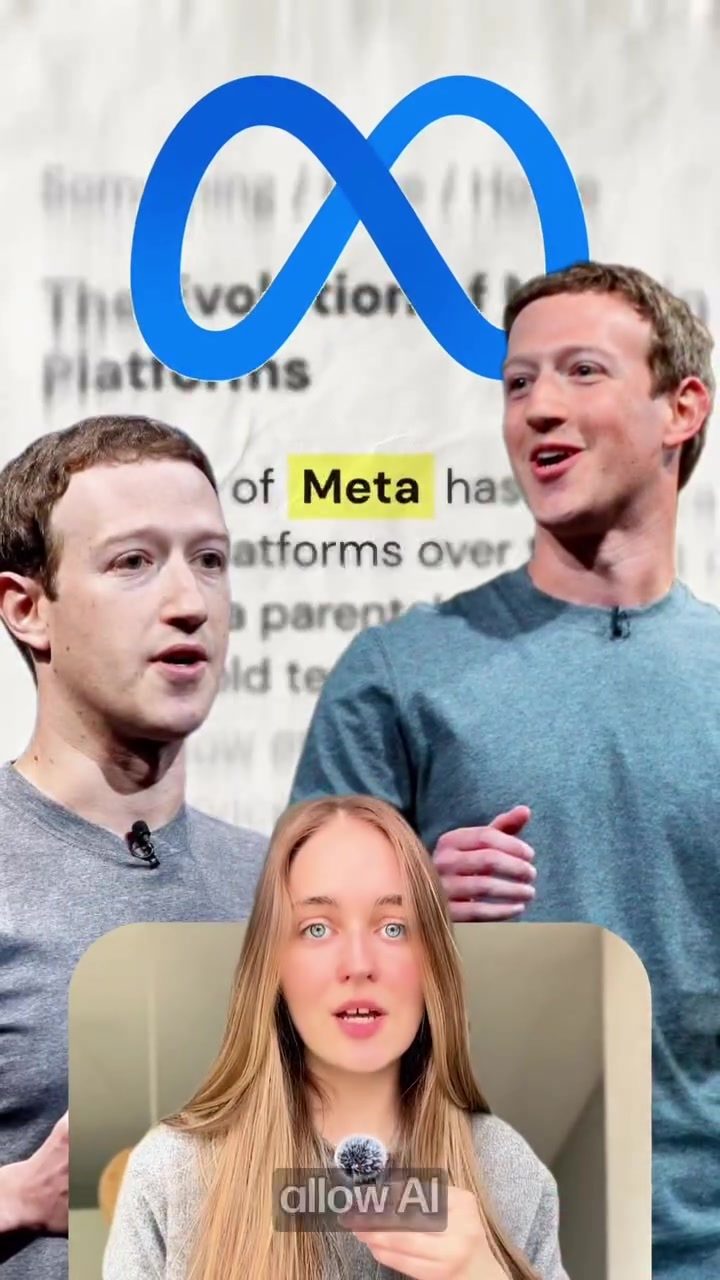
Meta's Patent: AI and the Digital Afterlife
People often ponder what happens to their digital footprint after they pass away. Meta, the company behind platforms like Facebook and Instagram, has recently filed a patent that raises intriguing questions about the future of digital identity. The patent describes an AI system capable of building a digital model of a person using their posts, messages, voice notes, and behavior. This digital model could theoretically continue interacting online, posting, and replying to friends, all while mimicking the person's voice and tone.
Why this matters
This development is significant for several reasons. Firstly, it highlights the growing potential of AI to simulate human behavior and interactions. Secondly, it brings up ethical and legal questions about digital immortality and the ownership of one's digital identity. As technology advances, understanding the implications of such patents becomes crucial for both the public and policymakers.
Main discussion
The Technological Aspects
The patent filed by Meta outlines a sophisticated system that analyzes a user's digital activities to create a comprehensive digital model. This model can then generate messages, voice notes, and even engage in online conversations, mimicking the user's unique style and tone. The technology involves advanced AI algorithms that can interpret and replicate human behavior, making the interactions virtually indistinguishable from those of a living person.
The Ethical Considerations
The idea of a digital afterlife raises numerous ethical questions. Should companies be allowed to create digital versions of people after their death? What are the implications for privacy and consent? How does one ensure that these digital representations accurately reflect the person's intentions and values? These are complex issues that will require thoughtful consideration and likely new legal frameworks.
The Legal Landscape
Patents like these are often filed to protect concepts and ideas, not necessarily to guarantee their development. Meta has stated that they currently have no plans to move forward with this technology. However, the fact that the patent exists means that the company owns the concept and could potentially develop it in the future. This raises important questions about who controls digital identities and how they can be used.
Public Reaction and Concerns
Public reaction to the news has been mixed. Some viewers were intrigued by the possibility of digital immortality, seeing it as a way to keep loved ones connected even after death. Others expressed concern about privacy and the potential misuse of such technology. The conversation highlights the need for open dialogue and regulatory oversight as these technologies continue to evolve.
The Broader Implications
The patent also has broader implications for the future of digital interactions. As AI continues to advance, the line between human and machine-generated content is likely to blur further. This could lead to new forms of digital identity and interaction, but it also raises questions about authenticity and trust in online communications.
Practical tips
If you're concerned about your digital legacy, here are some practical steps you can take:
Review Your Privacy Settings
Regularly review and update your privacy settings on all social media platforms. This can help ensure that your digital footprint is managed according to your wishes.
Create a Digital Will
Consider creating a digital will that outlines your wishes for your online accounts after your death. This can include instructions for how to handle your social media profiles, emails, and other digital assets.
Use Legacy Contact Features
Many platforms, including Facebook and Instagram, offer legacy contact features. These allow you to designate someone to manage your account after your death, ensuring that your digital legacy is handled according to your wishes.
Be Mindful of Your Digital Footprint
Think about the content you post and share online. Your digital footprint can have a lasting impact, and being mindful of what you share can help ensure that your online presence aligns with your values and intentions.
Important takeaways
- Meta has filed a patent for an AI system that could simulate a person's online presence after their death.
- The technology raises important ethical, legal, and privacy concerns.
- While Meta has stated they have no current plans to develop this technology, the patent means they own the concept.
- It's important for individuals to be proactive about managing their digital legacy and considering the implications of their online activities.
Conclusion
The patent filed by Meta for an AI system capable of simulating a person's online presence after death opens up a fascinating and complex discussion about the future of digital identity. While the technology itself is intriguing, it also raises significant ethical, legal, and privacy concerns. As AI continues to advance, it will be crucial for society to engage in meaningful conversations about the implications of these technologies and develop appropriate regulatory frameworks to ensure they are used responsibly.
Watch the Reel
Questions readers ask
What is the main purpose of Meta's recently filed AI patent?
The primary purpose of Meta's patent is to create an AI system that can simulate a user's online presence after they pass away. This involves using the user's past posts, messages, voice notes, and behavior to build a digital model that can interact online, mimicking the user's voice and tone.
How does the AI system described in Meta's patent work?
The AI system works by analyzing a user's digital footprint, including their posts, messages, voice notes, and behavior. It then creates a digital model that can interact online, posting and replying to friends in a way that mimics the user's unique voice and tone.
What are some of the ethical implications of Meta's AI patent?
Meta's AI patent raises several ethical questions. These include concerns about consent, privacy, and the potential for misuse. For instance, how do we ensure that the digital model accurately represents the deceased's wishes and personality? How do we prevent misuse, such as impersonation for fraudulent activities?
What legal implications might arise from the use of this AI technology?
The legal implications are vast and complex. They include issues of digital inheritance, liability for the actions of the digital model, and the potential for misuse. For example, who owns the digital model and the data it generates? What happens if the digital model causes harm, either intentionally or unintentionally?
Can the AI simulate the user's voice and tone perfectly?
The AI is designed to mimic the user's voice and tone as closely as possible, but it may not be perfect. The accuracy of the simulation will depend on the amount and quality of the data available, as well as the sophistication of the AI algorithms used.
What are some potential benefits of AI simulating a user's online presence?
While the technology raises many questions, there are potential benefits. For instance, it could provide comfort to those grieving by allowing them to interact with a digital representation of their loved one. It could also help preserve a person's digital legacy and memories for future generations.
How does this patent reflect the growing capabilities of AI?
This patent is a testament to AI's advancing capabilities in simulating human behavior and interactions. It shows that AI can analyze vast amounts of data to create digital models that can interact in a way that mimics human behavior. This has implications not just for digital immortality, but for other areas where AI simulation of human behavior is valuable.
Related deep dives
Similar reads based on topic and creator.



Recent articles
Fresh deep dives from the latest Reels we unpacked.



Comments
Be the first to comment.