Relationship Stress in Men: Understanding the Nuances
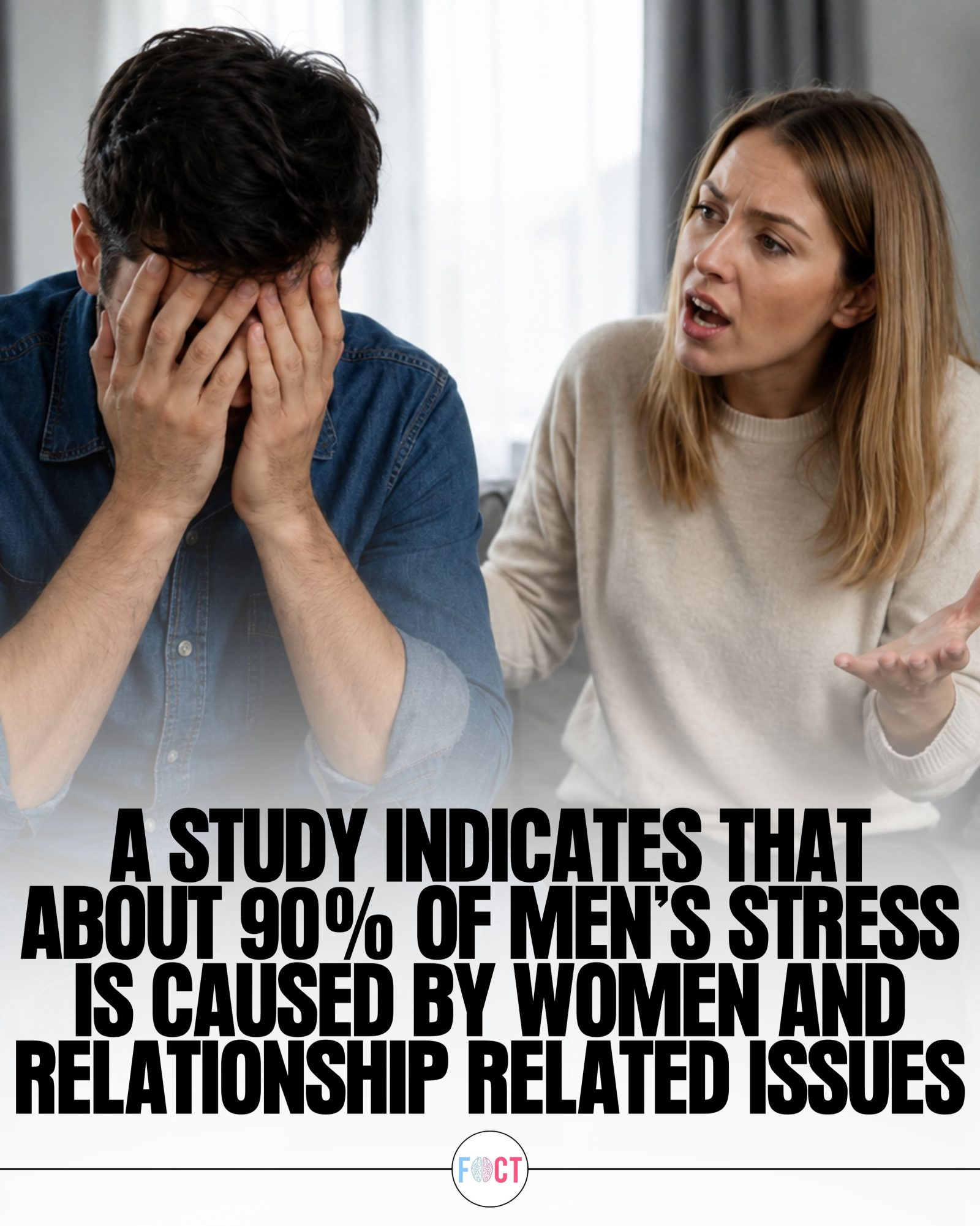
Relationships are complex, and for many men, they can be one of the most significant sources of stress in their lives. Misunderstandings, arguments, unmet expectations, breakups, and family responsibilities are just a few of the issues that can contribute to emotional pressure. The claim that around 90% of men's stress stems from women has been widely circulated, but the reality is far more nuanced. Understanding the intricacies of relationship stress can help manage it more effectively.
Why This Matters
Relationship stress affects more than just emotional well-being; it can also impact physical health. Chronic stress has been linked to a variety of health issues, including heart disease, high blood pressure, and a weakened immune system. By understanding the various sources of stress in relationships and how to manage them, men can improve their overall quality of life and overall well-being.
What Causes Relationship Stress?
Relationships bring a unique set of challenges that can lead to stress for men. Here are key factors that can contribute to relationship stress:
Misunderstandings and Communication Issues
Poor communication is often at the root of many relationship problems. Misunderstandings can arise from unclear expressions, unspoken expectations, or differing communication styles. These issues can lead to arguments, resentment, and a breakdown in trust, all of which contribute to stress.
Arguments and Conflict
Conflicts are a natural part of any relationship, but how they are handled can make a significant difference. Frequent or unresolved arguments can create a constant state of tension, leading to chronic stress. Learning to manage conflicts constructively can help mitigate this stress.
Unmet Expectations
Expectations in relationships can be a double-edged sword. On one hand, they can provide a sense of direction and purpose. On the other, unmet expectations can lead to disappointment, frustration, and stress. Clear communication about expectations from the outset can help prevent these issues.
Breakups and Heartbreak
The end of a relationship, whether through a breakup or loss, can be incredibly stressful. Emotional pain, feelings of rejection, and the uncertainty of the future can all contribute to significant stress levels.
Family Responsibilities
Men often balance the demands of work with family responsibilities, which can be a significant source of stress. The pressure to provide financially and emotionally for a family, while maintaining a career and personal life, can feel overwhelming.
Fear of Losing Someone Important
The fear of losing a partner, whether through a breakup or other circumstances, can be a constant source of stress. This anxiety can affect daily life, leading to worries and insecurity.
The Role of Women in Relationship Stress
The visual text used the phrase "relationship-related issues" next to the claim that 90% of men's stress is caused by women. This phrasing is problematic because it oversimplifies the issue and places blame on one gender. It is crucial to recognize that stress in relationships is a two-way street and involves a combination of factors from both partners.
Other Sources of Stress
While relationships can be a significant source of stress, they are not the only factor. Men often face stress from multiple fronts, including:
Career Pressure
The pressure to succeed in one's career can be a major source of stress. Expectations from employers, colleagues, and even oneself can lead to long working hours, high demands, and constant worry. This can affect a man's physical and mental well-being. For example, men in high-stress jobs may experience burnout, anxiety, and even health problems such as high blood pressure and heart disease.
Financial Struggles
Financial instability is another significant stressor. Worries about paying bills, saving for the future, and managing debt can create constant anxiety. Financial stress can also strain relationships, as partners may have differing views on money management, leading to additional tension.
Health Concerns
Personal health issues and concerns about loved ones can also contribute to stress. Whether it's dealing with a chronic illness, recovering from an injury, or worrying about a family member's health, these concerns can weigh heavily. Moreover, the stress from health issues can exacerbate existing medical conditions, creating a cycle of physical and emotional strain.
Social Expectations
Societal and cultural expectations can place immense pressure on men. These expectations can include traditional gender roles, the need to be the primary provider, and the pressure to "man up" and suppress emotions. These pressures can lead to feelings of inadequacy and stress.
Personal Insecurities
Personal insecurities, whether rooted in self-doubt, past experiences, or perceived failures, can be a significant source of stress. These insecurities can affect confidence, relationships, and overall well-being, creating a constant sense of unease.
Practical Tips for Managing Relationship Stress
Effective Communication
Open and honest communication is key to managing relationship stress. This involves expressing feelings and needs clearly, listening actively to your partner, and working together to find solutions. Effective communication can help prevent misunderstandings, resolve conflicts, and build stronger, more supportive relationships.
Building Trust
Trust is the foundation of any healthy relationship. Building trust involves being reliable, honest, and consistent in your actions and words. When trust is strong, it provides a sense of security and stability, reducing stress and enhancing emotional well-being.
Mutual Support
Relationships should be a source of support, not just a source of stress. Offering mutual support involves being there for your partner in times of need, showing empathy, and working together to overcome challenges. This mutual support can turn a stressful relationship into a source of strength and resilience.
Setting Realistic Expectations
Understanding and communicating your expectations can help manage stress. It's important to set realistic expectations that consider both partners' needs and capabilities. Clear communication about expectations can help prevent disappointment and frustration, reducing stress.
Seeking Professional Help
If relationship stress becomes overwhelming, seeking professional help can be beneficial. Therapists, counselors, and relationship coaches can provide guidance, tools, and strategies to manage stress and improve relationships. Therapy can help address underlying issues, improve communication, and build stronger, healthier relationships.
Practicing Self-Care
Self-care is essential for managing stress. This includes taking care of your physical health through exercise, a balanced diet, and adequate sleep. It also involves taking care of your mental and emotional well-being through activities that bring joy, relaxation, and a sense of fulfillment.
Building a Support Network
While your partner is an important source of support, it's also crucial to have a broader support network. This can include friends, family, and community. Building a support network provides additional emotional and practical resources, helping to manage stress from various sources.
Important Takeaways
Relationship stress is a multifaceted issue that involves a complex interplay of emotional, psychological, and external factors. It's essential to recognize that stress isn't caused by one source alone, and addressing it requires a holistic approach. By understanding the various sources of relationship stress, developing effective communication and support strategies, and seeking professional help when needed, men can turn their relationships from a source of pressure into a source of strength.
Conclusion
Relationship stress is a significant challenge that many men face, but it doesn't have to define their lives. By understanding the nuances of relationship stress and taking proactive steps to manage it, men can improve their well-being and build stronger, healthier relationships. Whether through effective communication, mutual support, seeking professional help, practicing self-care, or building a support network, there are numerous strategies to turn relationship stress into an opportunity for growth and connection.
Watch the Reel
Questions readers ask
How do relationships contribute to stress in men?
Relationships can cause stress in men through various avenues, including misunderstandings, frequent arguments, and unmet expectations. These issues can lead to emotional pressure, affecting a man's overall well-being and even impacting his physical health.
What are some common sources of stress in men's relationships?
Common stressors in men's relationships include breakups, family responsibilities, and the complexities of daily interactions. Each of these can contribute to emotional and physical strain, making it important for men to recognize and address these issues promptly.
What is the significance of managing stress related to relationships for men?
Managing relationship stress is crucial for men because it impacts both emotional and physical health. Chronic stress from relationships has been linked to serious health issues such as heart disease and high blood pressure, so effective stress management is vital for overall health.
Why is the claim that 90% of men's stress comes from women misleading?
The claim that 90% of men's stress comes from women is an oversimplification and fails to account for the many other factors that contribute to stress. Relationships, while significant, are just one part of a complex web of stressors in a man's life, including work, finances, and personal goals.
Are men's stress and expectations related to relationships?
Yes, men's stress is often related to expectations in relationships. Unmet expectations can lead to frustration and tension, contributing to overall stress levels. Recognizing and communicating these expectations can help alleviate some of this stress and improve relationship dynamics.
What are some of the ways that relationship stress can affect a man's physical health?
Relationship stress can affect a man's physical health through chronic stress, which has been linked to various health issues. These include heart disease, high blood pressure, and a weakened immune system, highlighting the importance of managing relationship stress for overall well-being.
How can men better manage stress related to relationships?
Men can better manage relationship stress by improving communication, setting realistic expectations, and seeking support when needed. Techniques such as mindfulness, exercise, and therapy can also be beneficial in addressing and mitigating the stress that arises from relationships.
Recent articles
Fresh deep dives from the latest Reels we unpacked.




Comments
Be the first to comment.