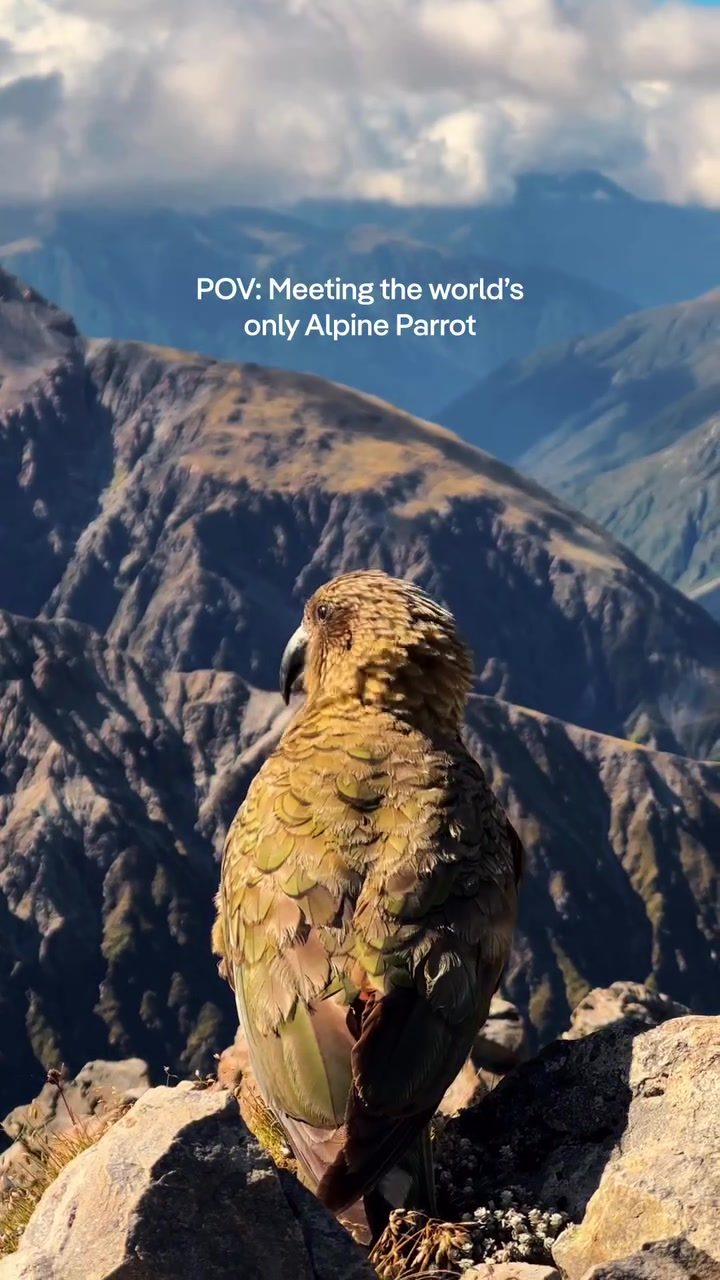
Alpine Parrots: The Kea of New Zealand’s South Island
The kea, the world’s only alpine parrot, inhabits the high mountains of New Zealand’s South Island. These remarkable birds are renowned for their intelligence, curiosity, and mischievous antics, making encounters with them an unforgettable experience. With the Southern Alps serving as their dramatic backdrop, kea are a testament to the unique and memorable wildlife encounters that New Zealand offers.
Why the Kea Matters
The kea is more than just a bird; it is a symbol of New Zealand’s natural wonders. Found only in the alpine regions of the South Island, these parrots have adapted to the harsh mountain environment, showcasing their resilience and intelligence. Their playful and inquisitive nature makes them a favorite among locals and visitors alike, adding a layer of excitement to any outdoor adventure in the region.
The kea’s problem-solving abilities are legendary. They are known to investigate almost anything they come across, from hikers’ gear to vehicles. This curiosity, combined with their intelligence, makes interactions with kea unpredictable and thrilling. Whether they are opening car doors, unscrewing tent zippers, or stealing food, these birds keep adventurers on their toes.
The Kea’s Habitat and Behavior
Alpine Living
Kea are uniquely adapted to their alpine habitat. They are often found at elevations above 1,000 meters, where the air is thin and the weather is harsh. Their sturdy bodies and strong beaks are perfectly suited for survival in these conditions. The kea’s diet consists of a variety of foods, including insects, plant material, and even carrion. Their adaptability allows them to thrive in an environment where other bird species might struggle.
Social Structure
Kea are social birds, often found in small groups. Their social structure is complex, with a hierarchy that can be observed in their interactions. Juvenile kea, in particular, are known for their mischievous behavior, often testing the boundaries set by older birds. This dynamic social life adds to the kea’s charm and makes observing them a delightful experience.
Intelligence and Problem-Solving
The kea’s intelligence is one of its most striking features. They are known to solve complex problems and use tools to access food. For example, they are often seen using sticks or rocks to extract insects from tree bark or to pry open containers. This problem-solving ability is a testament to their cognitive prowess and has made them a subject of interest for researchers studying avian intelligence.
Practical Tips for Encountering Kea
Encountering kea in their natural habitat can be a magical experience, but it’s important to do so responsibly. Here are some practical tips to ensure a safe and enjoyable encounter:
Respect Their Space
While kea are curious and may approach humans, it’s essential to respect their space. Avoid feeding them or attempting to touch them. Remember, they are wild animals and should be treated with the same respect as any other wildlife.
Keep Your Belongings Secure
Kea are known for their mischievous behavior and may try to steal items from your backpack or car. Ensure that all valuables are securely stored to avoid any unexpected surprises.
Be Patient
Kea are unpredictable, and their behavior can vary greatly. Be patient and allow them to approach you on their terms. This will make for a more authentic and rewarding encounter.
Carry a Camera
Given their playful and unpredictable nature, kea provide excellent photo opportunities. Make sure to carry a camera or a smartphone to capture these unique moments.
Observe from a Distance
If you’re hiking or driving, keep a safe distance from kea. This not only ensures your safety but also allows you to observe their natural behavior without causing any disturbance.
Important Takeaways
The Kea’s Unique Ecosystem
The kea’s presence in the alpine regions of New Zealand’s South Island highlights the unique ecosystems that thrive in these harsh environments. Understanding and protecting these ecosystems is crucial for the survival of kea and other alpine species.
Conservation Efforts
Conservation efforts are vital to the survival of the kea. While they are not currently endangered, their populations face threats from habitat loss, predation, and human activities. Supporting conservation initiatives can help ensure that future generations can enjoy the wonders of these remarkable birds.
The Kea’s Role in Ecotourism
Kea are a significant draw for ecotourism in New Zealand. They attract visitors from around the world, contributing to the local economy and fostering a sense of pride and stewardship among locals. Encountering kea in their natural habitat can inspire a deeper appreciation for nature and the importance of conservation.
Conclusion
The kea, the world’s only alpine parrot, offers a fascinating glimpse into the natural wonders of New Zealand. Their intelligence, curiosity, and adaptability make them a unique and memorable part of the South Island’s alpine landscape. By understanding and respecting these remarkable birds, we can ensure that future generations continue to enjoy the magic of encountering kea in their natural habitat.
Watch the Reel
Questions readers ask
What makes the kea a unique parrot species in New Zealand?
The kea is unique because it is the world’s only alpine parrot, inhabiting the high mountains of New Zealand’s South Island. This species is renowned for its exceptional intelligence and playful behavior, defining it as one of the most unique wildlife experiences in New Zealand.
Where can you typically find kea parrots in New Zealand?
Kea parrots are primarily found in the alpine regions of New Zealand’s South Island. They inhabit the high mountains, particularly in the Southern Alps, where their resilience and adaptability to the harsh mountain environment are on full display.
What are some notable behaviors of the kea parrot?
Kea parrots are known for their mischievous and inquisitive behavior. They are often seen engaging in playful antics and displays of curiosity, making encounters with them both thrilling and unpredictable, especially for hikers and wildlife enthusiasts.
How do kea parrots interact with humans during wildlife encounters?
Kea parrots are known to offer memorable and sometimes surprising interactions with humans. Their intelligence and curiosity often lead them to investigate and engage with hikers and visitors, making their encounters exciting and full of wonder.
What adaptations have kea parrots developed to survive in their alpine habitat?
Kea parrots have adapted to their alpine habitat through various means, showcasing their resilience and intelligence. They have strong, hooked beaks for foraging in tough conditions, and their feathers are designed to withstand the cold, making them well-suited for life in the high mountains.
Why are kea parrots considered a symbol of New Zealand’s natural wonders?
The kea is considered a symbol of New Zealand’s natural wonders due to their unique status as the world’s only alpine parrot and their remarkable adaptations to the harsh mountain environment. Their playful and intelligent nature also contributes to their symbolic significance.
Related deep dives
Similar reads based on topic and creator.




Recent articles
Fresh deep dives from the latest Reels we unpacked.




Comments
Be the first to comment.