Venus Flytraps
Carnivorous plants, specifically the Venus flytrap and the sundew plant, are fascinating specimens that have captivated botanists and nature enthusiasts alike. These plants have developed unique mechanisms to trap and digest insects, providing them with essential nutrients that are scarce in their natural habitats. Let's delve into the world of these remarkable plants, exploring their hunting mechanisms, habitat, and care requirements.
Context / Why This Matters
Carnivorous plants, including the Venus flytrap and the sundew, offer a glimpse into the adaptations that plants have developed to survive in nutrient-poor environments. These plants are not just curiosities; they play a crucial role in their ecosystems and offer insights into the diverse strategies that organisms use to thrive in challenging conditions. Understanding these plants can also inspire innovative solutions in fields like biotechnology and agriculture.
Main Discussion
The Fascinating World of Carnivorous Plants
Venus flytraps and sundews are among the most well-known carnivorous plants. Both have evolved specialized structures to capture and digest insects, but they do so in different ways. The Venus flytrap uses snap traps to catch its prey, while the sundew employs sticky, glistening droplets on its leaves to ensnare insects.
The Venus Flytrap: A Trapdoor Wonder
The Venus flytrap, native to the subtropical wetlands of North and South Carolina, is famous for its unique snap-trap mechanism. The plant's leaves are divided into two lobes that act like jaws. The inner surface of these lobes is covered in sensitive trigger hairs. When an insect lands on the leaf and touches these hairs, the lobes snap shut in a fraction of a second, trapping the prey inside.
Once the insect is trapped, the plant secretes digestive enzymes that break down the insect's tissues, allowing the plant to absorb the nutrients. This process can take several days, during which the plant essentially digests its meal. After the digestion is complete, the trap reopens, ready to catch its next meal.
The Sundew: A Glistening Hunter
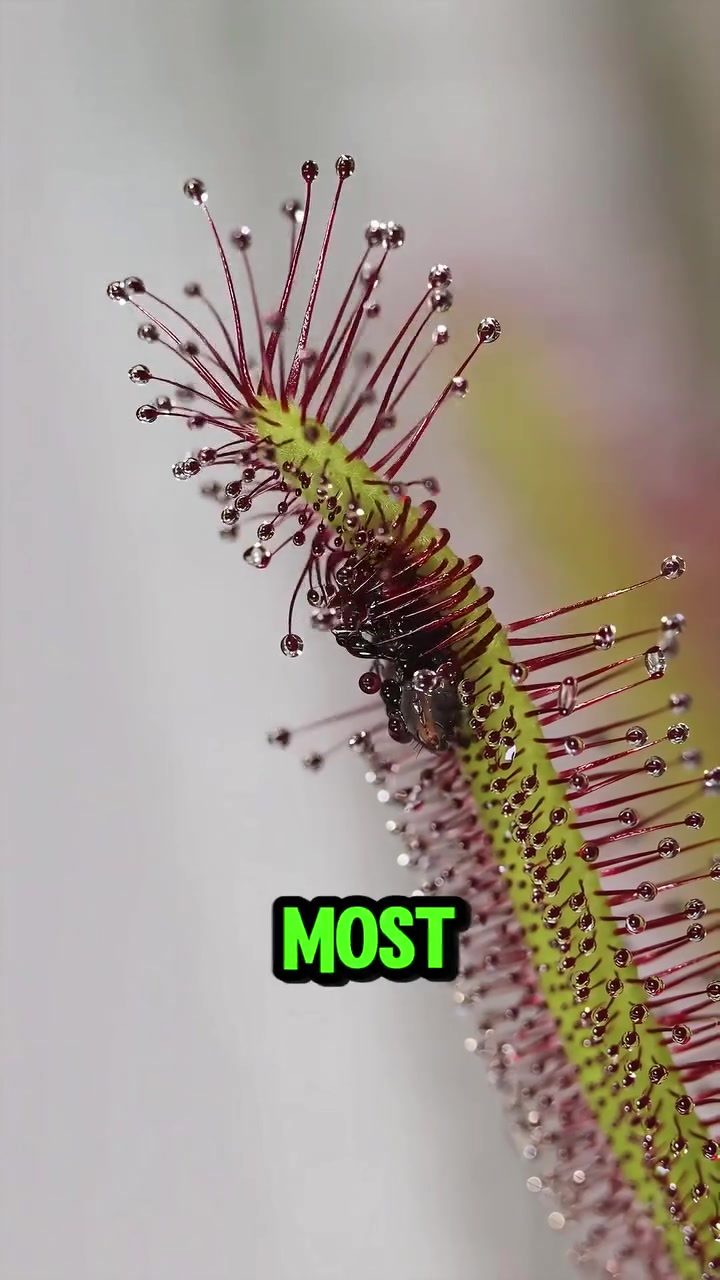
The sundew, also known as Drosera, is another carnivorous plant with a unique hunting mechanism. Instead of using snap traps, the sundew employs glistening droplets of a sticky substance called mucilage on its leaves. These droplets attract insects, which stick to the leaves upon contact. The plant then slowly curls its leaves around the prey, digesting it with special enzymes over several days.
Unlike the Venus flytrap, which relies on quick reflexes, the sundew's method is more passive but equally effective. The leaves of the sundew contain specialized glands that produce the sticky mucilage and the enzymes needed for digestion.
Practical Tips
Caring for Venus Flytraps
Caring for a Venus flytrap at home requires a few specific conditions to mimic its natural habitat. Here are some practical tips:
- Soil: Venus flytraps require a low-nutrient, acidic soil. A mix of peat moss and perlite is ideal.
- Water: These plants need a consistent supply of water. Keep the soil moist but not waterlogged. Use distilled or rainwater, as tap water can contain minerals harmful to the plant.
- Light: Venus flytraps need plenty of sunlight, ideally 4-6 hours of direct sunlight per day. A south-facing window is often a good choice.
- Feeding: Venus flytraps can survive on insects they catch themselves, but if you're keeping one indoors, you might need to feed it occasionally. Offer small insects like flies or ants a few times a month.
- Temperature: These plants thrive in temperatures between 70-80°F (21-27°C) during the day and a slightly cooler 60-65°F (15-18°C) at night.
Caring for Sundews
Caring for a sundew is similar to caring for a Venus flytrap, with some key differences:
- Soil: Like the Venus flytrap, sundews need a low-nutrient, acidic soil. A mix of peat moss and perlite works well.
- Water: Sundews also require consistently moist soil. Use distilled or rainwater to avoid mineral buildup.
- Light: Sundews need bright, indirect light. While they can tolerate some direct sunlight, too much can scorch their leaves.
- Feeding: Sundews can also catch their own prey, but you may need to feed them occasionally if kept indoors. Small insects like flies or ants are suitable.
- Humidity: Sundews thrive in high humidity environments. If you live in a dry climate, consider placing the plant on a tray of pebbles filled with water to increase humidity.
Important Takeaways
Carnivorous plants like the Venus flytrap and the sundew are remarkable examples of natural adaptation. Their unique hunting mechanisms allow them to survive in nutrient-poor environments, making them both fascinating and valuable subjects of study. Understanding these plants can provide insights into the diverse strategies that organisms use to thrive in challenging conditions and inspire innovative solutions in fields like biotechnology and agriculture.
Conclusion
Carnivorous plants, including the Venus flytrap and the sundew, are not just fascinating curiosities; they are important components of their ecosystems and offer valuable lessons in adaptation and survival. Whether you're a botanist, a nature enthusiast, or simply someone who appreciates the wonders of the natural world, these plants are sure to captivate your imagination. By understanding their unique characteristics and care requirements, you can appreciate these plants even more and perhaps even cultivate them in your own home.
Watch the Reel
Questions readers ask
What are the primary differences between a Venus flytrap and a sundew plant?
The main difference lies in their hunting mechanisms. Venus flytraps use snap traps that close rapidly when triggered by prey, while sundews (Drosera species) rely on sticky, glistening droplets on their leaves to entrap insects.
How do sundew plants benefit their ecosystems?
Sundews help maintain the balance in their ecosystems by controlling insect populations. They also contribute to soil health by recycling nutrients from digested insects, which can be particularly beneficial in nutrient-poor environments.
What are the basic care requirements for sundew plants?
Sundews thrive in well-draining, nutrient-poor soil and prefer bright, indirect light. They should be kept consistently moist but not waterlogged. Using rainwater or distilled water is recommended, as tap water can contain minerals that may harm the plant.
What types of insects do sundew plants typically capture?
Sundews primarily capture small insects such as flies, aphids, and small spiders. The sticky droplets on their leaves are designed to entrap these tiny creatures, which the plant then digests over time.
Can sundew plants be grown indoors, and if so, what conditions do they need?
Yes, sundews can be grown indoors. They require a humid environment, so consider placing the pot on a tray of pebbles and water to increase humidity. They also need bright, indirect light and consistent moisture to thrive. A south- or east-facing window is often ideal.
Are there different species of sundew plants, and how do they vary?
Yes, there are over 190 species of sundews. They vary in size, shape, and color, as well as in the structure of their tentacles and the type of prey they capture. Some species, like the Cape sundew (Drosera capensis), are popular among hobbyists due to their attractive appearance and relatively easy care.
How do sundew plants digest their prey?
Once an insect is captured by the sticky droplets on a sundew's leaves, the plant secretes digestive enzymes that break down the insect's body. This process can take several days, and the nutrients released from the digested insect are then absorbed by the plant.
Related deep dives
Similar reads based on topic and creator.




Recent articles
Fresh deep dives from the latest Reels we unpacked.




Comments
Be the first to comment.