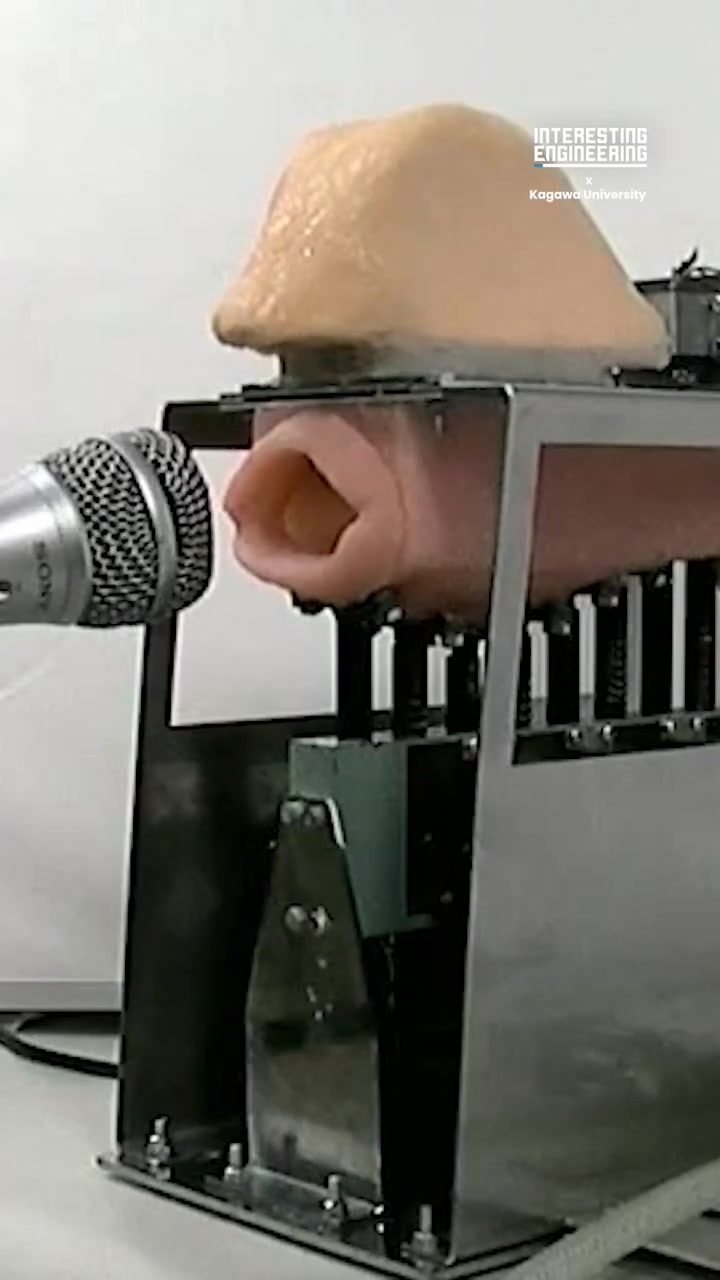
Artificial Vocal Cord Robot
Professor Hideyuki Sawada at Kagawa University in Japan has developed a remarkable talking robot mouth, a biomimetic vocal system that uses artificial lungs, vocal cords, a tongue, lips, and a nasal cavity to mimic human speech. This advanced engineering marvel doesn't generate speech digitally; instead, it physically reproduces it through a unique fleshy structure.
Why This Matters
The development of this robot signifies a significant leap in the field of speech synthesis and biomechatronics. Unlike traditional speech synthesis technologies that rely on digital processing, this robot uses mechanical and pneumatic systems to produce speech, making it a fascinating blend of biology and engineering.
The Engineering Behind the Robot
The Biomimetic Vocal System
The biomimetic vocal system is designed to replicate the complex processes of human speech. This system doesn't just mimic the sound of human speech; it physically produces it through mechanical means.
Artificial Lungs and Vocal Cords
The robot utilizes an air pump to simulate the function of human lungs, which are essential for producing the airflow needed for speech. The silicone tongue shapes the sounds, while eight artificial vocal cords control the pitch, creating a lifelike voice. The system also incorporates vocal cords, lips, and a nasal cavity to further enhance the realism of the speech.
The Speech Production Process
The process of producing speech in this robot is highly intricate. The air pump generates the necessary airflow, which then passes through the artificial vocal cords, creating vibrations that form the basis of the sound. The silicone tongue and lips work together to shape these vibrations into distinct sounds, while the nasal cavity adds the necessary resonance to produce clear and intelligible speech.
The Role of Sony
Sony, a well-known electronics company, plays a role in this project, likely providing some of the advanced technology or funding necessary to develop the biomimetic vocal system. This collaboration highlights the potential for cutting-edge technology in the field of speech synthesis.
Practical Tips for Understanding the Technology
Understanding how this robot works can be quite complex, but here are a few tips to make it more accessible:
-
Study the Components: Break down the system into its individual components—artificial lungs, vocal cords, tongue, lips, and nasal cavity. Understanding each part's function can help grasp the overall mechanism.
-
Watch Demonstrations: Seeing the robot in action can provide a better understanding of how it produces speech. Pay close attention to how the different parts of the system work together.
-
Explore Similar Technologies: Look into other biomechatronic devices that mimic human functions. This can provide context and help understand the significance of this robot.
Important Takeaways
-
Innovation in Speech Synthesis: This robot represents a pioneering effort in creating speech synthesis technology that mimics human speech more closely than ever before.
-
Biomimetic Engineering: By replicating the physiology of human speech, this system offers a unique approach to understanding and replicating human vocalization.
-
Practical Applications: While the current application is primarily for research and demonstration, the technology could have potential applications in various fields, including assistive technologies, prosthetics, and even entertainment.
Conclusion
The artificial vocal cord robot developed by Professor Hideyuki Sawada at Kagawa University is a testament to the incredible advancements in biomechatronics. By physically reproducing human speech through a biomimetic vocal system, this robot pushes the boundaries of what is possible in speech synthesis. The collaboration with Sony and the detailed engineering behind the system make it a remarkable achievement in the field. This innovative technology not only showcases human ingenuity but also opens up new possibilities for applications in various sectors.
Watch the Reel
Questions readers ask
How does the Japanese robot mimic human speech?
The robot uses a biomechanical system that includes artificial lungs, vocal cords, and a silicon tongue, replicating the physical processes of human speech to produce a lifelike voice. This approach is distinct from traditional digital speech synthesis methods.
What makes the robot developed by Professor Hideyuki Sawada unique?
Professor Hideyuki Sawada's robot is unique because it physically reproduces human speech using a biomimetic vocal system, including artificial lungs, vocal cords, a tongue, and a nasal cavity, rather than relying on digital processing for speech generation.
What are the key components of the robotic speech system?
The key components include artificial lungs, vocal cords, a silicon tongue, lips, and a nasal cavity. These parts work together to mimic human speech through mechanical and pneumatic systems.
Why is this robot significant in the field of speech technology?
This robot represents a significant advancement in speech synthesis and biomechatronics by demonstrating a novel method of producing speech that closely mimics human vocal mechanics, blending biological principles with engineering.
How does the robot's design differ from traditional speech synthesis technologies?
Unlike traditional technologies that use digital processing, this robot employs a mechanical and pneumatic system to physically replicate the complexities of human speech. This results in a more lifelike and natural-sounding voice.
What is the role of the artificial lungs in the robot's speech synthesis?
The artificial lungs in the robot play a crucial role by providing the necessary airflow to power the vocal cords, tongue, and lips, mimicking the respiratory process in human speech production.
What is the significance of the silicon tongue in the robot's design?
The silicon tongue in the robot helps to shape the airflow and create the nuances of speech, such as different sounds and intonations, by closely replicating the movements and actions of a human tongue during speech.
Related deep dives
Similar reads based on topic and creator.


Recent articles
Fresh deep dives from the latest Reels we unpacked.




Comments
Be the first to comment.