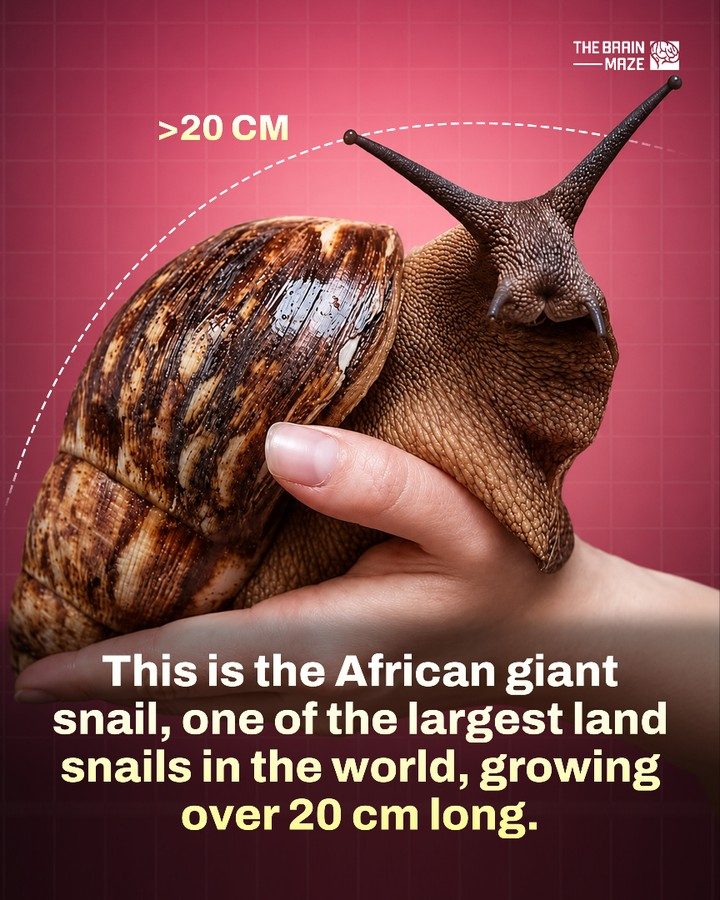
The African Giant Snail: A Fascinating Giant
The African giant snail (Achatina achatina) is a formidable creature, capable of reaching lengths exceeding 20 cm (8 inches). This makes it one of the largest land snails on Earth. Originating from West Africa, this snail is not only remarkable for its size but also for its robust spiral shell and unique method of movement, which relies on a powerful muscular foot.
Why the African Giant Snail Matters
The African giant snail is a captivating subject for both researchers and enthusiasts due to its impressive size and adaptability. Understanding this species can provide valuable insights into land snail biology and ecology. Moreover, the snail's ability to consume a wide variety of plant species makes it a significant figure in ecological studies.
The Anatomy and Behavior of the African Giant Snail
Physical Characteristics
The African giant snail's most striking feature is its large, spiraled shell, which can grow over 20 cm in length. This shell serves as both a protective barrier and a home for the snail. The shell's size and weight are supported by a powerful muscular foot that enables the snail to traverse various terrains. This adaptation is crucial for its survival and movement across different environments.
Diet and Adaptability
The African giant snail's diet consists mainly of plant matter, making it a herbivore. It can consume hundreds of plant species, which contributes to its adaptability and widespread presence. This versatile diet allows it to thrive in diverse habitats, from forests to agricultural lands. However, this adaptability also makes it an invasive pest in some regions, where it can cause significant damage to crops and gardens.
Movement and Activity
Despite its size, the African giant snail is a slow-moving creature. It navigates its environment using a powerful muscular foot, which adheres to surfaces and propels the snail forward. This method of locomotion is effective for both short and long distances, allowing the snail to explore and feed across different terrains.
The African Giant Snail as an Invasive Pest
While the African giant snail is a fascinating creature, it is also considered an invasive species in many regions outside of its native West Africa. Its ability to consume a wide variety of plants and its adaptability make it a significant threat to agricultural and natural ecosystems. The snail's voracious appetite can lead to the destruction of crops and native plant species, causing substantial economic and ecological damage.
Impact on Agriculture
In areas where the African giant snail has been introduced, it can wreak havoc on agricultural lands. The snail's ability to feed on a variety of crops makes it a formidable pest for farmers. Efforts to control the snail's population often involve physical barriers, chemical treatments, and biological controls. These measures can be costly and labor-intensive, making the snail a significant challenge for agricultural sustainability.
Ecological Disruption
Beyond its impact on agriculture, the African giant snail can also disrupt natural ecosystems. Its consumption of native plant species can alter the ecological balance, affecting other species that depend on those plants for food or habitat. This disruption can have cascading effects on the local biodiversity, potentially leading to the decline of native species and the disruption of intricate food webs.
Practical Tips for Managing the African Giant Snail
Given the African giant snail's potential to cause significant damage, it’s important to take proactive measures to manage and control its population. Here are some practical tips to help manage this snail:
Identification and Monitoring
Regularly inspect your garden or agricultural land for signs of the African giant snail. Look for large, spiraled shells and evidence of plant damage. Early identification can help prevent a small infestation from becoming a major problem.
Physical Barriers
Install physical barriers such as copper strips or mesh fencing around areas where the snail is particularly problematic. These barriers can help keep the snails out of sensitive areas, reducing the risk of damage to crops and gardens.
Chemical Treatments
Several chemical treatments are available to control the African giant snail population. These treatments can be applied directly to the snails or to the soil to deter their movement. However, it’s important to use these chemicals responsibly and follow all safety guidelines to minimize environmental impact.
Biological Controls
Consider using biological controls, such as introducing natural predators or using parasitic nematodes, to manage the snail population. These methods can be more environmentally friendly and sustainable compared to chemical treatments.
Encourage Natural Predators
Promoting the presence of natural predators like birds, rodents, and certain insects can help control the snail population. By creating a balanced ecosystem, you can reduce the likelihood of a snail infestation.
Important Takeaways
The African giant snail is a remarkable creature with a unique set of characteristics that make it both fascinating and challenging. Its size, adaptability, and ability to consume a wide variety of plants make it a significant figure in ecological studies and a substantial threat in some regions. Understanding the snail’s biology and behavior is crucial for managing its impact and preserving both agricultural and natural ecosystems.
Conclusion
The African giant snail is a marvel of nature, with its impressive size and adaptability. However, its potential to cause significant damage as an invasive pest highlights the importance of proactive management strategies. By taking steps to identify, monitor, and control the snail population, we can mitigate its impact and protect our ecosystems. Whether you’re a researcher, a gardener, or simply a curious observer, the African giant snail offers a wealth of insights into the natural world and the challenges it presents.
Watch the Reel
Questions readers ask
What makes the African Giant Snail unique among other snail species?
The African Giant Snail stands out due to its impressive size, reaching over 20 cm (8 inches) in length, making it the largest land snail in the world. Additionally, its robust spiral shell and powerful muscular foot set it apart from other snail species.
Where is the natural habitat of the African Giant Snail?
The African Giant Snail is native to West Africa. It thrives in various environments, including tropical rainforests and agricultural lands, showcasing its adaptability to different habitats.
What do African Giant Snails eat?
African Giant Snails are herbivores with a varied diet. They consume a wide range of plant species, including leaves, stems, and fruits, which makes them a significant player in their ecological environment.
How does the African Giant Snail move?
The African Giant Snail moves using a powerful muscular foot. This unique method of locomotion allows it to traverse various terrains efficiently, contributing to its adaptability.
What is the significance of studying the African Giant Snail?
Studying the African Giant Snail can offer valuable insights into land snail biology and ecology. Its impressive size, adaptability, and ecological role make it a fascinating subject for researchers and enthusiasts alike.
What is the size of the African Giant Snail?
The African Giant Snail can grow to lengths exceeding 20 cm (8 inches), making it one of the largest land snails on Earth. This significant size is one of the key features that distinguish it from other snail species.
Can African Giant Snails be kept as pets?
While some people may keep African Giant Snails as pets, it's crucial to note that they require specific care, including a suitable habitat and a varied diet. Additionally, in some regions, it is illegal to own them due to their potential impact on local ecosystems. Always check local regulations and guidelines before considering one as a pet.
Related deep dives
Similar reads based on topic and creator.




Recent articles
Fresh deep dives from the latest Reels we unpacked.




Comments
Be the first to comment.