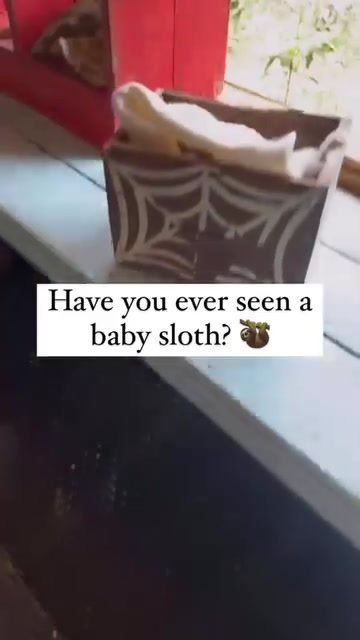
Baby Sloths: Cute and Fascinating Creatures
Baby sloths are among the most endearing and captivating animals in the world. These slow-moving, tree-dwelling creatures are known for their adorable appearance and unique behaviors. The recent reveal of a baby sloth wrapped in a white blanket has sparked a wave of interest and admiration, highlighting the charm and intrigue of these gentle giants.
Why Baby Sloths Matter
Baby sloths are not just cute; they play a significant role in ecosystems and offer valuable insights into animal behavior. Their slow metabolism and unique adaptations make them a subject of fascination for scientists and nature enthusiasts alike. Understanding these creatures helps us appreciate the diversity of life and the importance of conservation efforts.
The Allure of Baby Sloths
Physical Characteristics
Baby sloths are incredibly small, often weighing just a few pounds at birth. Their soft, fluffy fur and large, expressive eyes make them irresistibly cute. One of the most distinctive features of baby sloths is their ability to cling to their mothers from a very young age. This close bond is crucial for their survival and development.
Behavior and Habits
Baby sloths spend most of their time clinging to their mothers, who carry them on their bellies. This close proximity allows the mother to protect and nurture her baby while moving through the treetops. Sloths are arboreal animals, meaning they spend most of their lives in trees. Their slow movements and low energy requirements make them well-suited to this lifestyle.
Diet and Nutrition
Sloths have a very specialized diet, primarily consisting of leaves, twigs, and fruits. Baby sloths rely on their mothers for nutrition, feeding on their milk until they are old enough to consume solid food. This unique diet and the slow digestion process of sloths contribute to their slow metabolism and energy-conserving behaviors.
Practical Tips for Encountering Baby Sloths
Ethical Considerations
When encountering baby sloths or any wild animals, it's essential to follow ethical guidelines. Always maintain a safe and respectful distance to avoid causing stress or harm to the animals. Remember that sloths are wild animals and should not be treated as pets or handled without proper training and authorization.
Conservation Efforts
Supporting conservation efforts is crucial for the survival of sloths. Organizations dedicated to sloth conservation work tirelessly to protect their habitats, rehabilitate injured animals, and educate the public about the importance of preserving these fascinating creatures.
Important Takeaways
Baby sloths are a delight to observe, but they are also a critical part of their ecosystems. Their slow movements and unique adaptations make them a subject of scientific interest. By understanding and appreciating these animals, we can contribute to their conservation and ensure that future generations can enjoy their presence in the wild.
Conclusion
Baby sloths represent the beauty and diversity of our natural world. Their adorable appearance and unique behaviors make them a joy to observe. By respecting their habitats and supporting conservation efforts, we can help ensure that these charming creatures continue to thrive in their natural environments.
Watch the Reel
Questions readers ask
What are some unique behaviors of baby sloths?
Baby sloths exhibit several unique behaviors, including clinging to their mothers for extended periods and moving very slowly. They spend most of their time in the treetops, where they find food and shelter. Their slow movements help them conserve energy and avoid predators.
Why do baby sloths stay with their mothers for so long?
Baby sloths stay with their mothers for a extended period, typically around 4-6 months, to learn essential survival skills. During this time, they learn how to forage, move through the treetops, and navigate their environment safely.
What makes baby sloths so captivating to watch?
Baby sloths are captivating due to their adorable appearance and endearing behaviors. Their slow movements, fluffy fur, and the way they cling to their mothers make them incredibly charming to observe, especially in heartwarming videos.
How do baby sloths adapt to living in the treetops?
Baby sloths are well-adapted to life in the treetops. They have strong, curved claws that allow them to grip branches firmly. Their slow metabolism helps them conserve energy, which is crucial for surviving in their arboreal habitat.
What role do baby sloths play in their ecosystems?
Baby sloths, like adult sloths, play a vital role in their ecosystems by helping to disperse seeds. As they move through the treetops, they often carry seeds in their fur, which eventually fall to the forest floor and contribute to new plant growth.
What can we learn from observing baby sloths in nature?
Observing baby sloths in nature provides insights into their unique habits and the importance of conservation. By understanding their behaviors and the challenges they face, we can better appreciate the need to protect their habitats and the broader ecosystems they inhabit.
Related deep dives
Similar reads based on topic and creator.




Recent articles
Fresh deep dives from the latest Reels we unpacked.




Comments
Be the first to comment.