Medical Robots: Revolutionizing Healthcare with Precision and Innovation
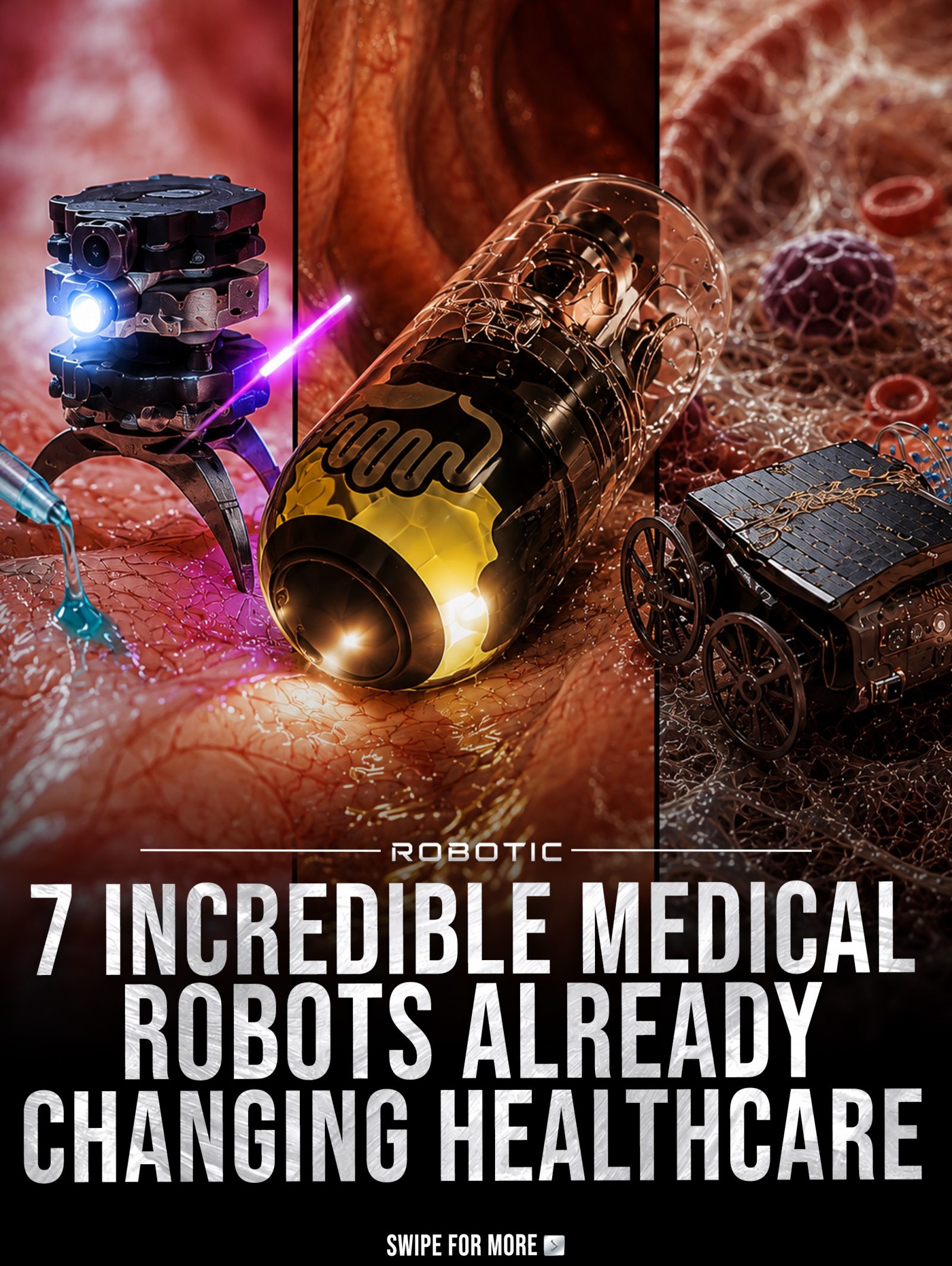
Medical robots are at the forefront of a transformative era in healthcare, becoming smaller, smarter, and more precise. These advancements are opening new frontiers in diagnosing and treating diseases, offering unprecedented possibilities for minimally invasive and targeted treatments. From swallowable camera robots to microscopic drug-delivery devices, these innovations are redefining modern medicine.
Context: Why this Matters
The integration of medical robots into healthcare is not just about technological advancement; it’s about improving patient outcomes and quality of life. These robots are designed to reach areas of the body that are difficult or impossible to access with conventional procedures. By making treatments less invasive and more targeted, medical robots are helping to reduce recovery times, minimize complications, and enhance the overall effectiveness of medical interventions.
Main Discussion
The Advent of Micro-Robots
The future of healthcare includes micro-robots that can perform a variety of medical tasks inside the human body. These tiny devices are revolutionizing fields such as oncology, neurology, and gastroenterology. For example, microscopic drug-delivery robots can target specific cells or tissues, ensuring that medication is delivered precisely where it is needed. This level of precision reduces the likelihood of side effects and enhances the efficacy of treatments.
Swallowable Camera Robots
One of the most intriguing developments in medical robotics is the swallowable camera robot. These devices are designed to be ingested like a pill and then navigate the digestive system, capturing high-resolution images and videos. This technology is particularly useful for detecting abnormalities in the digestive tract, such as polyps or tumors, without the need for invasive procedures like endoscopy. This makes the diagnostic process more comfortable and less risky for patients.
Magnetic Threads for Neurosurgery
Magnetic threads are another groundbreaking innovation in medical robotics. These ultra-thin, flexible threads can navigate the intricate blood vessels of the brain, providing a minimally invasive way to perform delicate surgeries. By manipulating the threads with magnetic fields, surgeons can reach areas of the brain that were previously inaccessible, reducing the need for large incisions and significant recovery times.
Microscallop: A Revolutionary Drug-Delivery System
The Microscallop is a prime example of how medical robots are being designed to mimic natural mechanisms for improved functionality. Inspired by the movements of scallops, this robot delivers medicine directly to targeted areas within the body. This precise delivery method ensures that the medication is effective and minimizes the risk of systemic side effects, making it a valuable tool in the fight against diseases.
The Microscallop joins a suite of other remarkable robots, each designed to tackle specific medical challenges. The Capsule Endoscopy Robot, a pill-sized device, is another standout. It is used to detect abnormalities in the digestive system, providing a less invasive alternative to traditional endoscopy procedures.
Practical Tips for Understanding Medical Robotics
Stay Informed About Emerging Technologies
Keeping up with the latest developments in medical robotics is crucial for both medical professionals and patients. Understanding how these technologies work and their potential applications can help individuals make informed decisions about their healthcare. Staying informed can also prepare patients for new treatment options that may become available in the future.
Engage with Healthcare Providers
For those interested in the potential benefits of medical robots, it’s important to engage with healthcare providers. Discussing the latest advancements and their potential applications with doctors and specialists can provide valuable insights and help patients determine if these technologies are suitable for their specific needs.
Advocacy and Awareness
Engaging in advocacy and awareness campaigns about medical robotics can help drive further innovation and adoption. By promoting the benefits of these technologies, communities can encourage more research, development, and implementation, ultimately leading to better healthcare outcomes for everyone.
Important Takeaways
Medical robots are transforming healthcare by delivering precise, minimally invasive treatments. From swallowable camera robots to magnetic threads and microscopic drug-delivery systems, these innovations are making a significant impact on patient care. The future of healthcare is about building robots small enough to heal the human body from the inside, offering new possibilities for diagnosing and treating diseases.
Conclusion
The advent of medical robots represents a paradigm shift in healthcare, offering unprecedented precision and innovation. From targeted drug delivery to minimally invasive surgeries, these technologies are redefining what modern medicine can achieve. As we continue to advance in this field, the potential for improving patient outcomes and enhancing the quality of life is immense. Embracing these innovations can pave the way for a healthier future, where medical interventions are more effective, safer, and less invasive.
Watch the Reel
Questions readers ask
What are some of the most significant advancements in medical robots?
Recent advancements in medical robots include swallowable camera robots for internal imaging, microscopic drug-delivery devices for precise medication administration, and robotic arms for minimally invasive surgeries. These innovations are enhancing diagnostic capabilities and treatment effectiveness, allowing healthcare professionals to perform complex procedures with greater accuracy and fewer complications.
How do medical robots improve patient outcomes?
Medical robots improve patient outcomes by enabling minimally invasive procedures, reducing recovery times, and minimizing the risk of infections. They allow for precise treatments that target specific areas of the body, such as delivering drugs directly to affected tissues. This targeted approach can lead to better treatment results and an overall improved quality of life for patients.
What is robotic endoscopy and how does it benefit healthcare?
Robotic endoscopy involves using robotic devices to perform endoscopic procedures, which are typically used to examine the interior of the body. This method offers enhanced precision and flexibility compared to traditional endoscopy, allowing healthcare providers to reach difficult areas and perform more intricate procedures with greater ease. This can lead to more accurate diagnoses and effective treatments.
How do drug-delivery robots work and what are their benefits?
Drug-delivery robots, including microbot medical devices, are designed to deliver medications directly to targeted areas within the body. These tiny robots can navigate through the bloodstream or other bodily fluids to reach specific sites, ensuring that drugs are administered precisely where they are needed. This targeted delivery can enhance the effectiveness of treatments and reduce side effects.
What role do swallowable camera robots play in healthcare?
Swallowable camera robots are designed to capture internal images of the digestive system, providing healthcare professionals with detailed visuals of the gastrointestinal tract. These robots are particularly useful for diagnosing conditions that are difficult to detect through traditional imaging methods. They offer a less invasive alternative to endoscopy, making the diagnostic process more comfortable for patients and more accessible for healthcare providers.
Related deep dives
Similar reads based on topic and creator.



Recent articles
Fresh deep dives from the latest Reels we unpacked.




Comments
Be the first to comment.